MarketsMarketWatchJul 23, 2026· 1 min read
SK Hynix ADR Premium to Persist Post-Korean Regulatory Cap
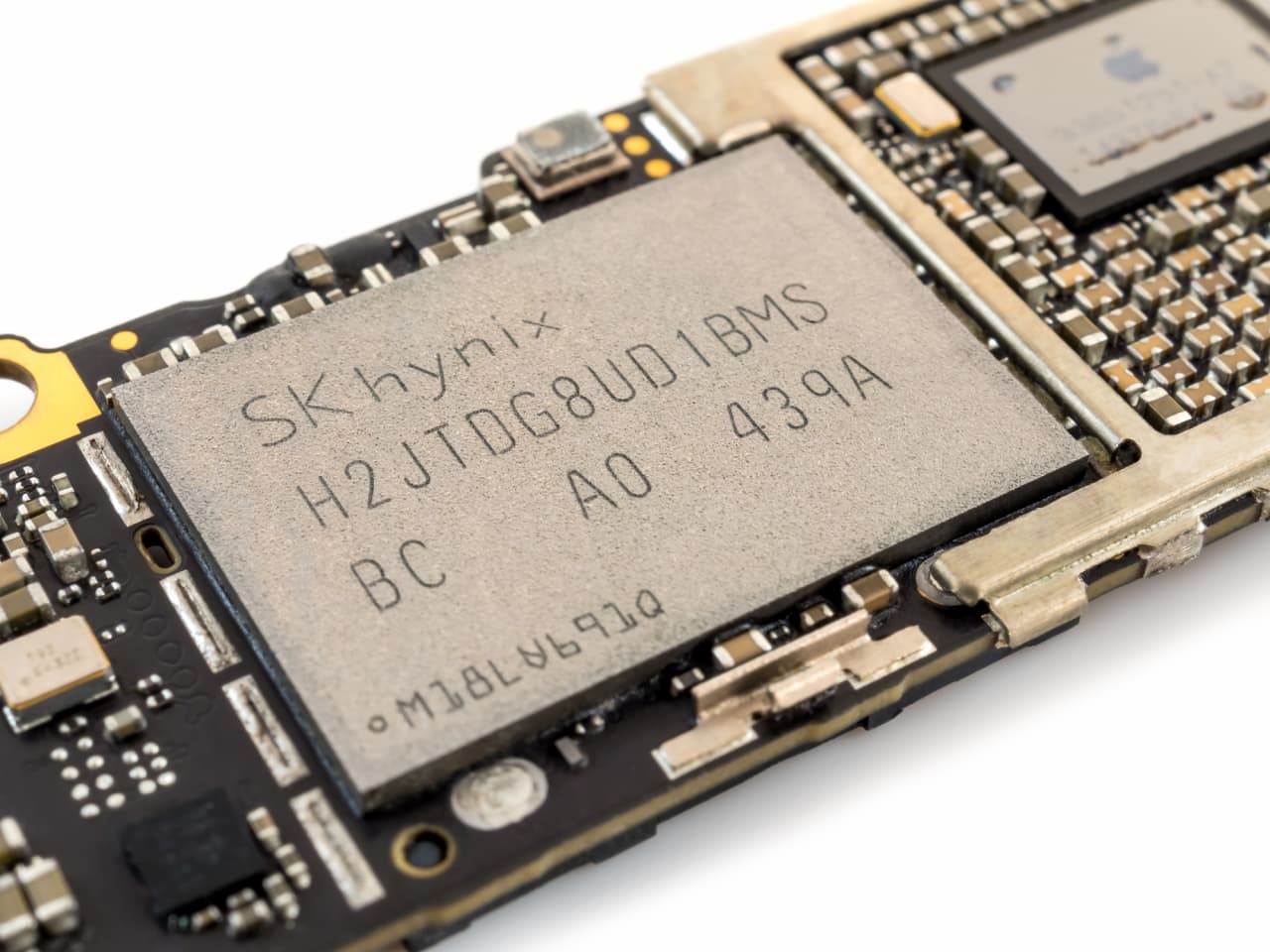
Korean regulators have capped the conversion of local shares into SK Hynix American Depository Receipts (ADRs), ensuring the persistence of a significant premium for ADRs over ordinary shares. This restriction on supply, coupled with steady U.S. investor demand, is expected to maintain the current valuation disparity.
A significant premium on SK Hynix's American Depository Receipts (ADRs) relative to its Seoul-listed ordinary shares is expected to endure following a recent regulatory decision in South Korea. The new restrictions limit the conversion of ordinary shares into ADRs, thereby curtailing the supply mechanism that could arbitrage away the valuation differential.
Historically, SK Hynix ADRs have traded at a substantial premium, often exceeding 10%, compared to their underlying ordinary shares. This divergence has been a point of interest for market participants and arbitrageurs alike. The ability to convert local shares into ADRs and vice versa typically helps to keep prices aligned across different listing venues, but this mechanism has now been constrained.
The regulatory move effectively caps the outstanding volume of SK Hynix ADRs, tightening their supply on U.S. exchanges. From an economic perspective, this artificial limitation on supply, coupled with sustained demand from U.S.-based investors seeking exposure to the global memory chip leader, is the primary driver for the expected persistence of the premium. Investors who prefer the liquidity and settlement convenience of U.S. markets for South Korean technology stocks may be willing to pay this premium.
This decision has implications for capital flows and investor access. While it protects the existing premium for current ADR holders, it also creates a less efficient market for new U.S. investors looking to gain exposure to SK Hynix at parity with its domestic valuation. The long-term economic impact could include a slight increase in the cost of capital for SK Hynix if it were to issue new ADRs, assuming the premium reflects a higher cost for U.S. market access or a perceived scarcity value.
Analyst's Take
The regulatory intervention, while preserving the ADR premium, also signals a potential shift towards greater domestic market control over share convertibility for strategic assets. This could lead to increased scrutiny on similar dual-listed Korean companies, potentially dampening arbitrage opportunities and subtly fragmenting global capital markets for these firms, even as the broader tech sector continues its recovery.


