EnergyOilPrice.comJul 17, 2026· 1 min read
Pakistan Seeks Spot LNG Amid Hormuz Disruptions, Rising Costs
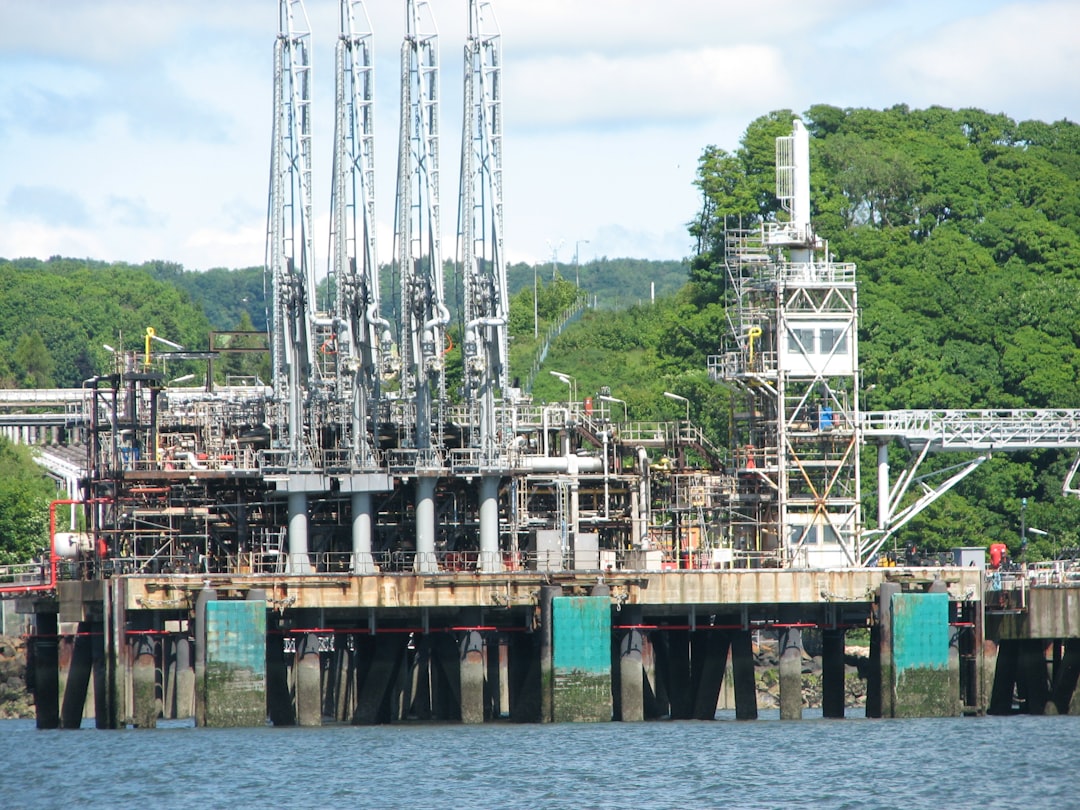
Pakistan is seeking multiple spot LNG cargoes for July and August delivery after disruptions in the Strait of Hormuz halted shipments from its primary supplier, Qatar. This forces the nation to procure energy at potentially higher spot market rates, impacting its energy budget and foreign exchange reserves.
Pakistan is actively pursuing additional spot liquefied natural gas (LNG) cargoes for July and August delivery following disruptions to shipments from its term supplier, Qatar, due to a halt in Strait of Hormuz traffic. The Pakistani government is reportedly nearing a decision to secure at least one extra LNG cargo for July and potentially up to six for August, according to sources familiar with the matter.
This immediate need for spot market purchases arises as State-controlled Pakistan LNG Ltd recently acquired what is noted as its most expensive LNG cargo. The reliance on the spot market, particularly for a significant number of August deliveries, highlights the immediate economic implications for Pakistan's energy budget. With global LNG prices already subject to volatility, increased spot market activity due to supply chain disruptions could further inflate import costs for energy-dependent nations.
The Strait of Hormuz, a critical chokepoint for global energy flows, underscores the vulnerability of supply chains to geopolitical and operational interruptions. For Pakistan, a nation already grappling with economic challenges, securing consistent and affordable energy supplies is paramount for industrial activity, power generation, and overall economic stability. The shift to spot purchases at potentially elevated prices will exert pressure on the nation's foreign exchange reserves and could necessitate adjustments to its energy pricing policies or subsidies, impacting consumers and businesses alike.
This development illustrates the tight global LNG market and how regional disruptions can have ripple effects, forcing buyers to contend with higher prices and increased supply uncertainty. The situation necessitates careful fiscal management by Pakistan to mitigate the economic fallout from these unplanned, higher-cost energy procurements.
Analyst's Take
While the immediate focus is on Pakistan's increased energy import costs, the broader implication is the potential for other emerging market economies, particularly those in Asia with similar energy import profiles and limited strategic reserves, to face similar price shocks. This localized disruption could act as a leading indicator for increased regional competition for spot LNG, driving up prices further in the near term and signaling potential upward pressure on Asian LNG benchmarks, even if global supply remains relatively stable.