MarketsEconomic TimesJun 13, 2026· 1 min read
SpaceX Reaches $2 Trillion Valuation Post-IPO, Signaling Market Optimism
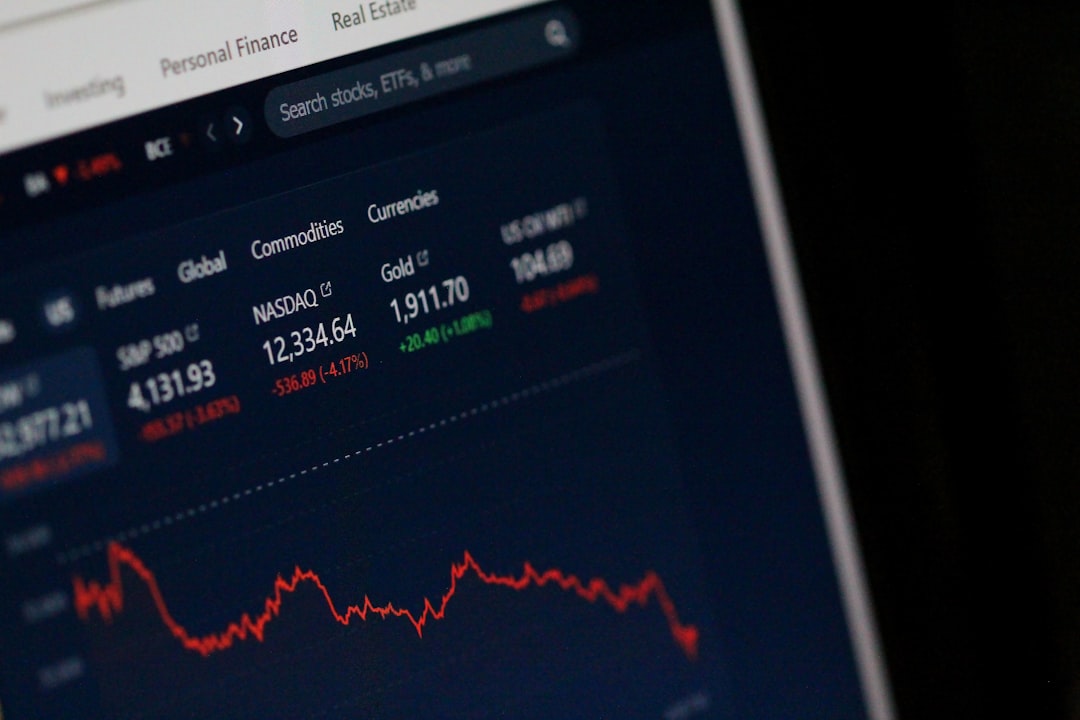
SpaceX's recent IPO propelled its valuation past $2 trillion, making it the world's seventh most valuable company. This debut showcased strong investor demand despite the company's current loss-making status, reflecting confidence in its long-term growth potential.
SpaceX, the aerospace manufacturer and space transportation services company founded by Elon Musk, achieved a market capitalization exceeding $2 trillion following its recent initial public offering (IPO). This landmark valuation positions SpaceX as the seventh most valuable company globally, underscoring significant investor confidence in its future prospects.
The blockbuster debut was characterized by robust investor demand across institutional and retail segments, leading to substantial trading volumes. Despite the company operating at a loss and its valuation being heavily predicated on future growth rather than current profitability, market participants demonstrated strong enthusiasm for SpaceX's long-term vision and technological leadership in the burgeoning space economy.
This valuation surge has also considerably augmented the personal wealth of CEO Elon Musk. The event reflects a broader market trend of high-growth, technology-driven companies attracting premium valuations, often ahead of sustained profitability. The IPO's success could potentially catalyze further investment and public listings within the space technology sector, influencing capital allocation decisions across venture capital and public equity markets. Analysts will be closely monitoring SpaceX's operational execution and progress towards profitability to justify its elevated valuation in the coming periods.
Analyst's Take
The sheer scale of SpaceX's valuation, despite being loss-making, signals an increasingly bifurcated market where capital is heavily concentrated in perceived 'generational' tech companies, potentially at the expense of broader market breadth and value-oriented investments. This could mask underlying liquidity challenges in less glamorous sectors and suggests a growing tolerance for extended periods of unprofitability in pursuit of disruptive innovation.


