MarketsSMH BusinessApr 21, 2026· 1 min read
Economic Distress & Democracy: The Critical Link for Societal Cohesion
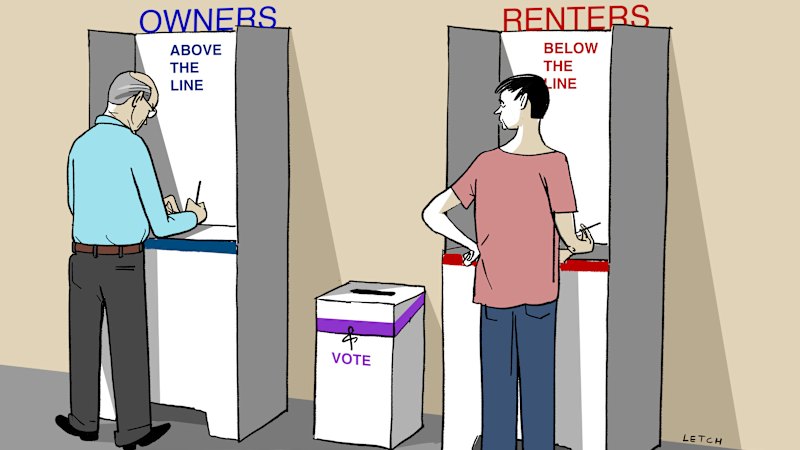
Economic well-being is strongly correlated with satisfaction in democratic governance, with economic hardship often leading to reduced trust in political institutions. The key economic implication is that persistent economic inequality and unmet citizen expectations can undermine the social contract, impede effective macroeconomic policy implementation, and heighten political risk.
A crucial nexus in modern political economy highlights that a population's economic well-being is intrinsically linked to its satisfaction with democratic governance. Recent observations underscore that individuals experiencing economic hardship are demonstrably less content with the perceived responsiveness and fairness of democratic systems. This correlation is not merely anecdotal; it presents a substantial challenge to socioeconomic stability.
When significant segments of a population feel economically disenfranchised—whether due to stagnant real wages, persistent income inequality, or a high cost of living—their trust in established political institutions can erode. This erosion is more than just a matter of public sentiment; it can lead to tangible economic consequences, including reduced consumer and investor confidence, difficulties in building consensus for critical economic reforms, and increased political risk that deters investment.
Economically, citizens often evaluate their democratic system by its capacity to deliver tangible improvements in living standards, ensure distributive justice, and provide equitable opportunities. When these fundamental expectations are unmet, the social contract binding citizens to their government weakens. This can create a feedback loop where economic dissatisfaction fuels political discontent, which in turn can impede the implementation of sound macroeconomic policies and foster environments conducive to instability.
For policymakers, recognizing this intricate relationship is paramount. Sustaining democratic health requires not only robust political institutions but also a proactive commitment to fostering inclusive economic growth and addressing systemic inequalities. The perceived fairness and effectiveness of the economic system are, in essence, cornerstones of democratic legitimacy and a stable macroeconomic environment.


