EnergyOilPrice.comJun 11, 2026· 1 min read
US Power Grid Strains Under AI Demand, Infrastructure Lag
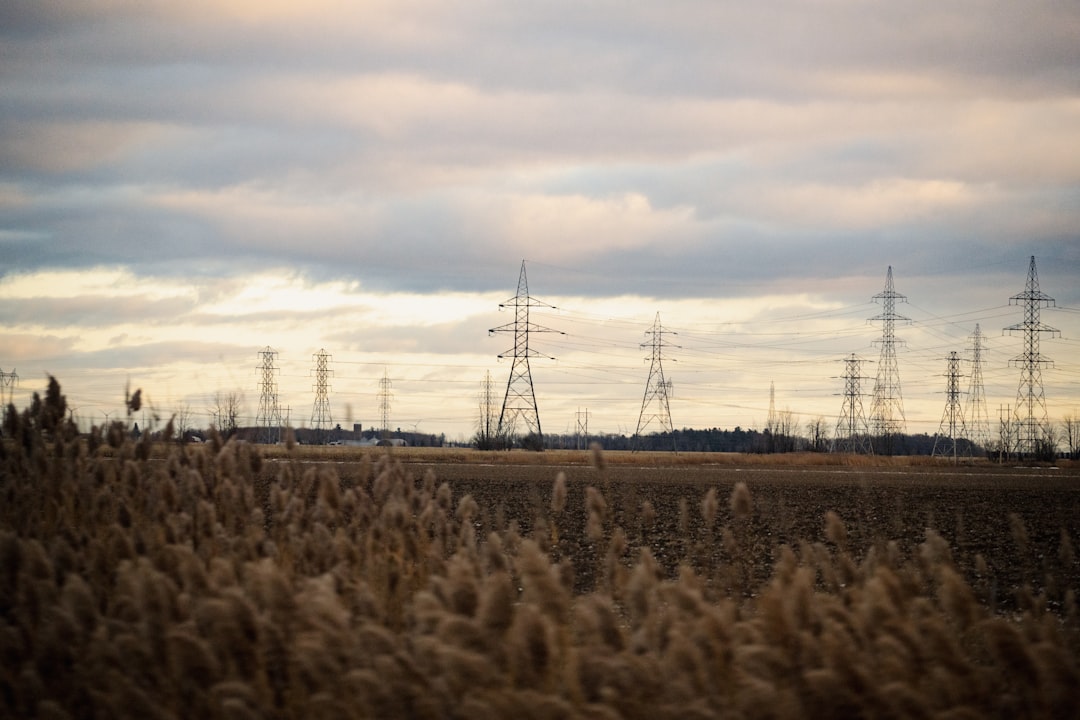
The U.S. power grid is under severe pressure due to surging electricity demand from AI data centers, compounded by slow transmission expansion and inadequate power plant construction. Policy debates over renewable energy versus fossil fuel subsidies further complicate efforts to enhance grid reliability.
The U.S. power grid is facing increasing strain from rapidly expanding data centers, particularly those supporting artificial intelligence, alongside existing infrastructure challenges. These AI centers are escalating demand for electricity, transmission capacity, and water resources, creating a significant imbalance with current supply capabilities.
Transmission line expansion remains slow, hindering the efficient distribution of power and exacerbating localized shortages. Concurrently, there is an urgent need for new power plant construction to meet rising consumption. Existing infrastructure is also vulnerable, as demonstrated by the impact of natural disasters like forest fires on transmission lines.
Adding to the complexity, policy proposals are emerging that could further shift the energy landscape. The previous Trump administration, for instance, indicated plans to address power shortages by potentially halting renewable energy projects, such as wind farms, while offering subsidies to coal-fired power plants. Such approaches highlight divergent strategies in confronting the nation's energy reliability concerns.
The growing power deficit underscores a critical juncture for utilities and policymakers. The rapid proliferation of energy-intensive AI operations necessitates a comprehensive and accelerated investment in both generation and transmission infrastructure to prevent potential grid instability and ensure reliable electricity supply across the country.
Analyst's Take
The escalating power demands from AI, while currently a supply-side issue, will inevitably translate into increased electricity costs for consumers and businesses, potentially dampening broader economic productivity. This capital expenditure surge by utilities, alongside government subsidies, risks diverting investment from other critical infrastructure projects and could become a significant inflation driver as early as late 2025, a factor markets are likely underpricing.