EnergyOilPrice.comJul 22, 2026· 1 min read
Japan's Soaring Power Prices Signal Economic Headwinds
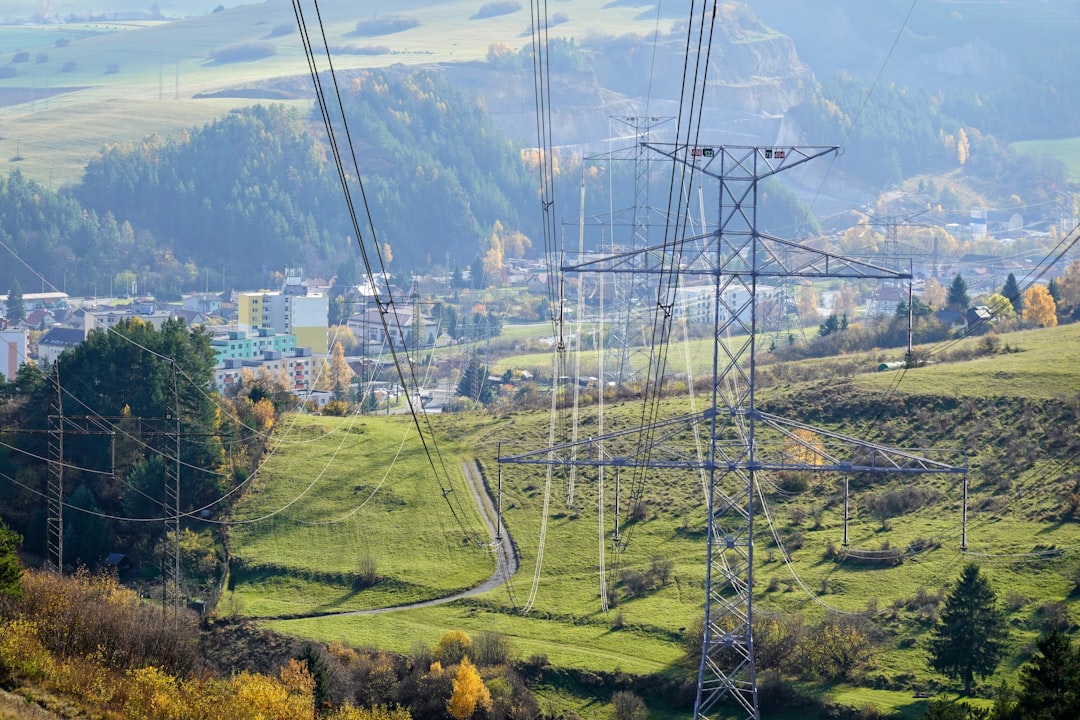
Japan's day-ahead spot electricity prices have surged to a 3.5-year high of $0.15/kWh, driven by elevated fuel costs, heatwaves, and a depreciating yen. This rise poses economic challenges through increased operational costs for businesses and higher utility expenses for consumers.
Japan's day-ahead spot electricity prices have reached a three-and-a-half-year high, surging to $0.15 (24.78 Japanese yen) per kilowatt-hour (kWh) on Wednesday, according to data from the Japan Electric Power Exchange. This marks a 24% increase within the current week and represents the highest level since January 2023.
This spike is attributed to a confluence of factors that are generating significant economic implications. Foremost among these are elevated fuel costs, which directly impact the operational expenses of thermal power plants that constitute a substantial portion of Japan's energy mix. Concurrently, persistent heatwaves across the country have driven a surge in electricity demand, particularly for cooling purposes, further straining the grid and pushing prices upward.
The weakening Japanese yen also plays a critical role, exacerbating the impact of rising international fuel prices. As a major energy importer, Japan's purchasing power for commodities like natural gas and oil diminishes with a weaker domestic currency, effectively increasing the cost of electricity generation for consumers and businesses alike.
Economically, sustained high electricity prices can lead to increased operational costs for industrial sectors, potentially impacting corporate profitability and competitiveness. Households will also face higher utility bills, which could dampen consumer spending and contribute to inflationary pressures. The situation underscores Japan's vulnerability to global energy market fluctuations and currency movements, highlighting the ongoing challenge of energy security and affordability.
Analyst's Take
While the immediate impact of high energy prices is inflation, the persistent weakness of the yen alongside these elevated costs could accelerate domestic capital reallocation towards energy-efficient technologies and alternative energy sources, potentially dampening long-term fossil fuel demand faster than anticipated. This could create a divergence in infrastructure investment, with a short-term focus on energy security through diversified suppliers, eventually pivoting to greater domestic renewable capacity.