EnergyOilPrice.comAug 5, 2026· 1 min read
China's Record Power Demand Signals Economic Recovery, Commodity Strain
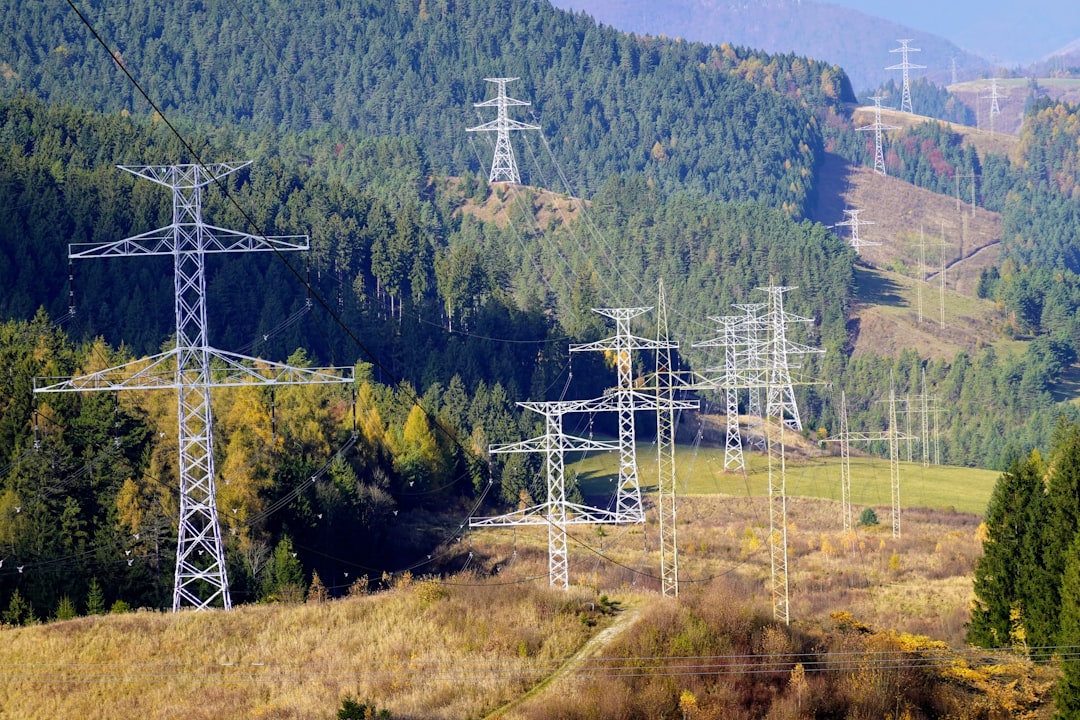
China's electricity demand reached record highs this week due to a heatwave, indicating robust economic activity and increased industrial output. The State Grid has managed the surge without blackouts, but sustained demand could impact global energy commodity markets.
China's electricity demand has surged to unprecedented levels this week, driven by a widespread heatwave across the northern, northeastern, and eastern regions. The State Grid Corporation of China reported record grid loads on Monday and Tuesday, as air-conditioning usage spiked to combat scorching summer temperatures. This marks a significant rebound in power consumption following earlier economic disruptions.
Despite the historical demand, no widespread blackouts have been reported. The grid operator has proactively managed the increased load by redirecting baseload electricity to high-demand areas, demonstrating operational resilience. This sustained high energy consumption is a crucial indicator of renewed economic activity, particularly within industrial and commercial sectors that also contribute to the power grid's strain.
The surge in power demand underscores China's persistent reliance on conventional energy sources to meet its expanding energy needs. While a significant portion of the increased load is attributed to residential air conditioning, the broader economic implications point to robust manufacturing output and infrastructure activity. This heightened demand places upward pressure on global energy commodity markets, notably coal and natural gas, which are primary inputs for thermal power generation.
Analysts are closely monitoring the duration and intensity of this elevated power usage. A sustained period of record demand could impact China's energy import requirements, potentially affecting global supply chains and commodity pricing. The situation highlights the delicate balance between economic growth, environmental factors, and energy security within the world's second-largest economy.
Analyst's Take
The immediate takeaway is about heat and power grid strain, but the second-order effect is a potential quiet tightening in global energy markets. While residential A/C is a factor, sustained record demand, especially across industrial regions, suggests an underappreciated rebound in Chinese manufacturing and construction, likely pulling more LNG and coal from global markets. This hidden demand could underpin commodity prices even if other major economies slow, creating a divergence between perceived global demand weakness and actual physical demand in Asia.