MarketsMarketWatchMay 17, 2026· 1 min read
Ebola Outbreak Declared Emergency, Economic Impacts Likely Localized
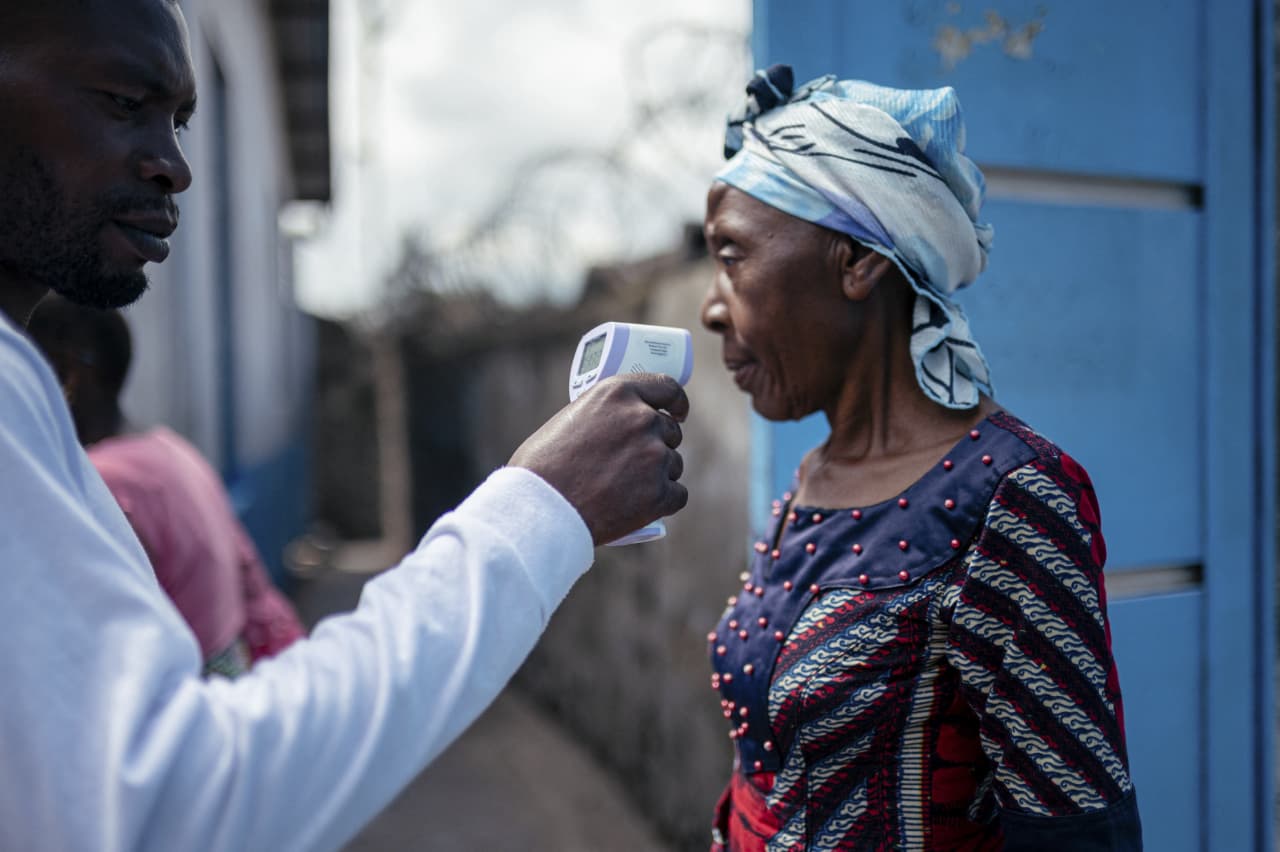
The World Health Organization has declared a public health emergency over a rare Ebola strain in Congo and Uganda, linked to 80 deaths. Economic impacts are expected to be localized, primarily affecting healthcare spending, local commerce, and specific sectors like tourism and trade within the affected regions.
The World Health Organization (WHO) has declared a public health emergency in response to a rare strain of Ebola virus that has reportedly caused 80 deaths across Congo and Uganda. This declaration, while signaling a critical health crisis, is expected to have predominantly localized economic implications rather than significant global market disruptions at this stage.
The primary economic concerns revolve around the immediate impact on the affected regions. Public health emergencies typically trigger increased healthcare expenditure, including the procurement of medical supplies, deployment of personnel, and establishment of containment measures. These costs will strain the budgets of the involved nations and international aid organizations. Furthermore, the outbreak can disrupt local commerce, agriculture, and informal sector activities dueating to restrictions on movement, fear of contagion, and loss of labor productivity from illness and mortality.
For Congo and Uganda, key economic sectors such as tourism, mining, and cross-border trade could experience downturns. Travel advisories and heightened screening protocols can deter international visitors and business travelers, while disruptions to supply chains and labor availability can impede commodity extraction and export. The potential for the virus to spread to densely populated urban centers or neighboring countries would escalate these economic pressures, increasing the need for sustained international financial and logistical support.
While the current declaration is a serious health development, the economic repercussions are not anticipated to mirror those of widespread pandemics that disrupt global supply chains or significantly impact major economies. The focus for investors and policymakers will be on containment efforts and the effectiveness of international aid in mitigating the human and economic toll within the affected areas.
Analyst's Take
While not a global market mover now, prolonged containment efforts or spread beyond current borders could subtly redirect international development aid and humanitarian investment flows. This might indirectly impact regional infrastructure projects or resource extraction investments if capital prioritizes health crisis response over longer-term economic development in neighboring, seemingly stable, regions.


