MacroBBC BusinessJul 12, 2026· 1 min read
Aldi's Aggressive US Expansion Challenges Established Grocery Market
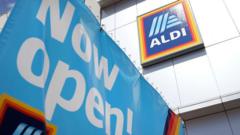
German discount grocer Aldi is investing $9 billion in a significant U.S. expansion, targeting urban markets like Manhattan to challenge established supermarkets. This move aims to leverage its low-price, private-label model amidst increasing consumer demand for value.
German discount grocer Aldi is escalating its investment in the United States, committing approximately $9 billion towards an ambitious expansion strategy. The move targets a significant increase in its store footprint, particularly focusing on urban centers, including prime locations like Manhattan. This aggressive push is designed to capitalize on American consumers' increasing demand for value and efficiency in their grocery shopping.
Aldi's business model hinges on offering a limited selection of private-label products at significantly lower prices compared to traditional supermarkets. This strategy has proven successful in various international markets, establishing Aldi as a formidable competitor. In the U.S., the company aims to disrupt the dominance of established players by leveraging its operational efficiencies and cost-cutting measures, which include smaller store formats, fewer staff per store, and a lean supply chain.
The expansion comes at a time when U.S. households are increasingly sensitive to food inflation and seeking ways to stretch their budgets. Aldi's proposition of high-quality goods at competitive price points, exemplified by its $4 almond butter, directly addresses this market need. While the company has historically competed effectively against larger discount retailers like Walmart in certain regions, its foray into dense urban areas signifies a direct challenge to a broader spectrum of grocery providers, including specialty and conventional supermarkets.
This investment reflects Aldi's long-term confidence in the U.S. market's capacity for further penetration by discount models. Success in these new, higher-rent urban markets will depend on its ability to replicate its cost-advantage model while adapting to unique logistical and consumer preference challenges inherent to metropolitan areas. The expansion is set to intensify competition across the U.S. grocery sector, potentially leading to price pressures and strategic adjustments from incumbent retailers.
Analyst's Take
Aldi's urban market push, particularly into high-cost areas, suggests an underlying bet on the long-term stickiness of consumer frugality, even as broader inflation moderates. This strategic focus may be a leading indicator of how prolonged inflation has fundamentally altered purchasing habits, potentially forcing traditional grocers to accelerate their private-label offerings or risk further market share erosion.

