MarketsMarketWatchApr 21, 2026· 1 min read
Apple's $4T Valuation Hinges on Closing the AI Gap
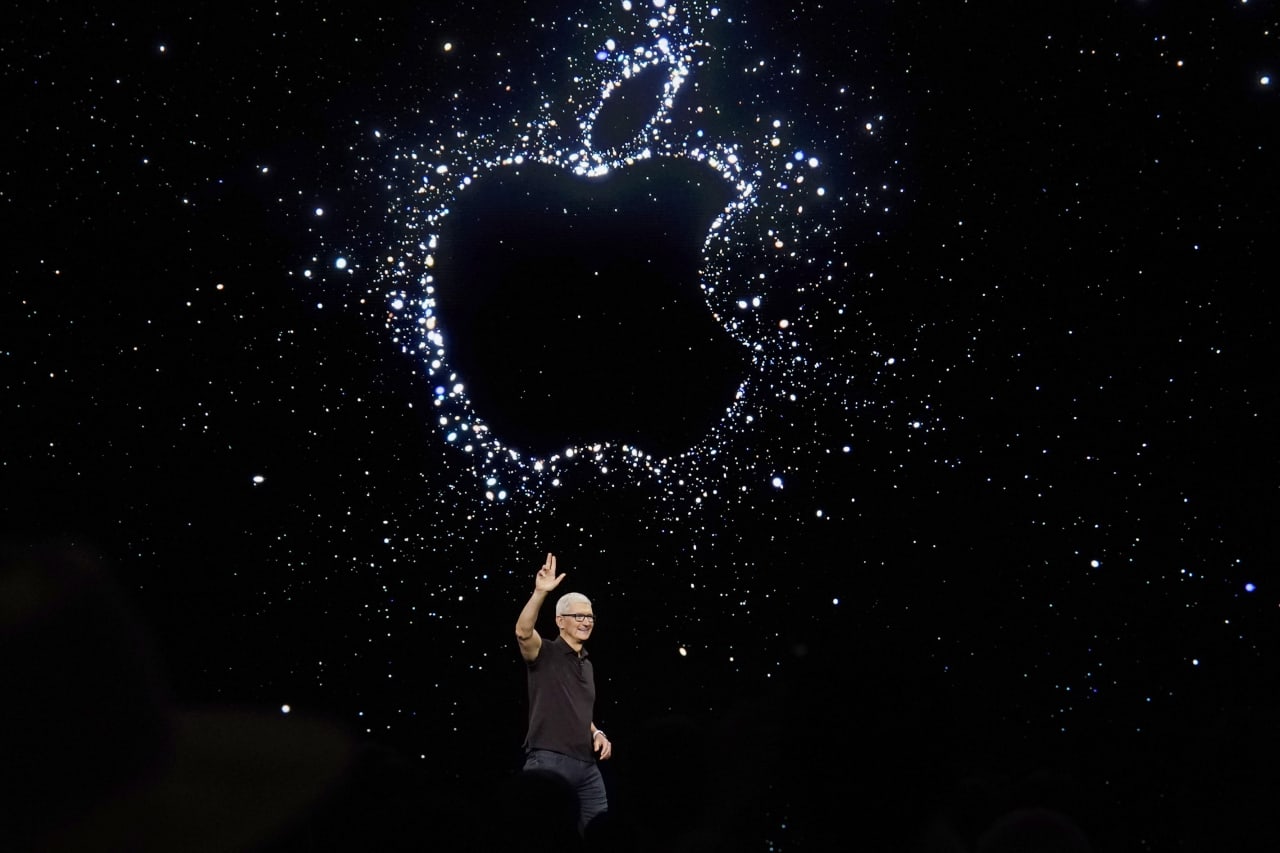
Apple's massive $4 trillion valuation faces scrutiny due to a perceived "glaring AI gap," with John Ternus reportedly tasked with leading the company's strategic efforts to overcome this deficiency. The success of Apple's AI strategy is crucial for sustaining its market leadership, competitive advantage, and premium valuation in a rapidly evolving tech landscape.
Apple, under Tim Cook's leadership, has solidified its position as a $4 trillion market powerhouse, a testament to its consistent innovation and market dominance. However, as the tech landscape rapidly evolves, the company faces a critical strategic imperative: addressing what some describe as a "glaring AI gap." This challenge is emerging as a focal point for the company's future direction and for sustaining its extraordinary valuation.
The emphasis on AI comes as the industry increasingly pivots towards advanced generative AI capabilities, driving new product development and user experiences. For Apple, traditionally a leader in integrated hardware and software, a perceived lag in this crucial domain could pose significant risks to its competitive standing and long-term growth trajectory. The source material highlights John Ternus, Apple's Senior Vice President of Hardware Engineering, as central to this strategic shift, indicating he is tasked with spearheading efforts to close this AI deficiency.
For investors, the success in integrating cutting-edge AI will be a key determinant of Apple's ability to maintain its premium valuation and market share. Failure to adequately compete in the AI arena could lead to erosion of consumer loyalty, slower adoption of new products, and increased pressure from rivals aggressively investing in AI. The strategic efforts led by Ternus will therefore be closely watched, representing a pivotal moment for Apple to demonstrate its capacity for innovation beyond its established product lines. The outcome will significantly influence its trajectory in a rapidly changing technological and economic environment.


