EnergyOilPrice.comAug 6, 2026· 1 min read
Southeast Asia's Gas Power Ambitions Hampered by Supply, Price Volatility
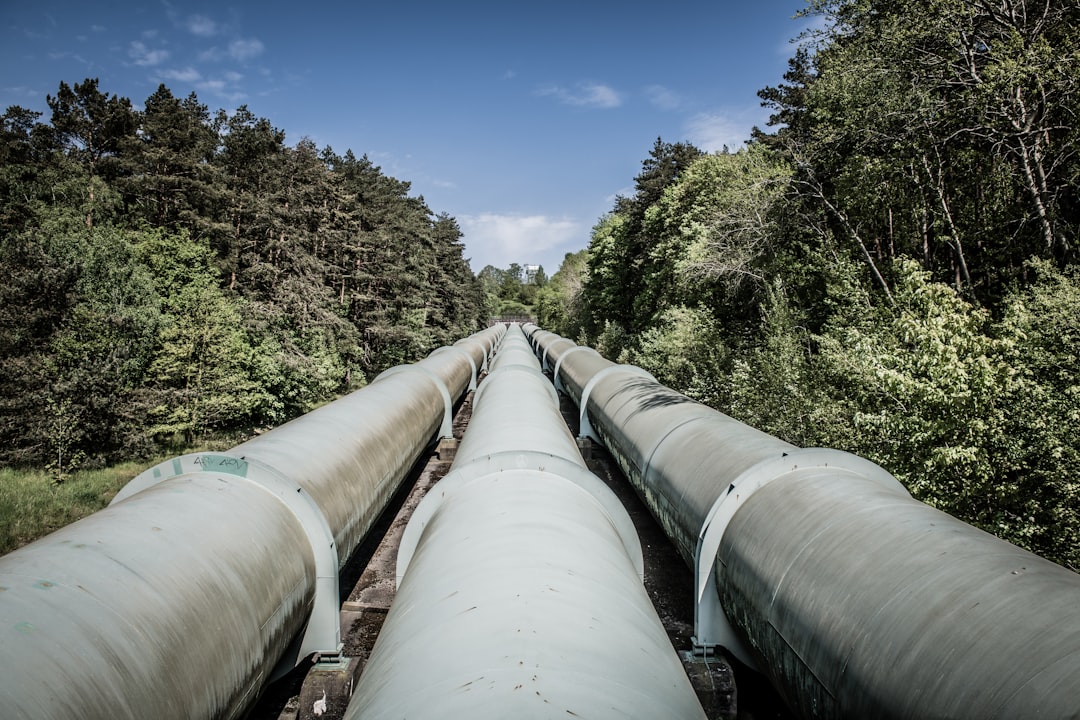
Southeast Asian nations are projected to deliver only a third of their planned gas-fired power capacity due to fuel availability issues, price volatility, and supply chain disruptions. This shortfall threatens regional energy security, economic growth, and decarbonization efforts.
Southeast Asia's aspirations to significantly expand gas-fired power generation, crucial for meeting burgeoning electricity demand and transitioning away from coal, are encountering substantial hurdles. A recent report by energy consultancy Wood Mackenzie indicates that the region is poised to deliver only a third of its planned gas-fired power capacity, underscoring significant challenges.
The primary obstacles identified include inadequate fuel availability, persistent price volatility in natural gas markets, and ongoing supply chain disruptions. These factors are collectively driving up project costs and are expected to cause delays of several years for crucial infrastructure initiatives. The affected economies, comprising some of Southeast Asia's largest power markets – Indonesia, Malaysia, Vietnam, Singapore, Thailand, and the Philippines – face the brunt of these issues.
The implications for the region's energy security and economic development are considerable. Delays in new gas power capacity mean continued reliance on older, often more polluting, coal-fired plants, or a struggle to meet rapidly increasing electricity demand from industrial and residential sectors. This could lead to higher electricity prices for consumers and businesses, potentially impacting industrial competitiveness and hindering broader economic growth targets.
Furthermore, the inability to diversify the energy mix as planned could also slow down regional decarbonization efforts. While gas is considered a cleaner fossil fuel than coal, the shift away from coal is contingent on reliable and affordable gas supplies. The current market dynamics, characterized by tight supply and elevated global LNG prices, pose a substantial challenge to these strategic energy transitions in one of the world's most dynamic economic blocs.
Analyst's Take
The persistent underperformance in gas power buildout across Southeast Asia could inadvertently accelerate investment in renewable energy projects within the region, especially given the rising long-term price uncertainty of LNG. This could manifest in increased M&A activity in the solar and wind sectors as capital seeks more predictable returns, potentially shifting the investment narrative from 'gas bridge' to 'direct renewables' faster than anticipated.