MarketsMarketWatchMay 14, 2026· 1 min read
Bond Market Signals Pre-emptive Rate Hikes as Warsh Takes Fed Helm
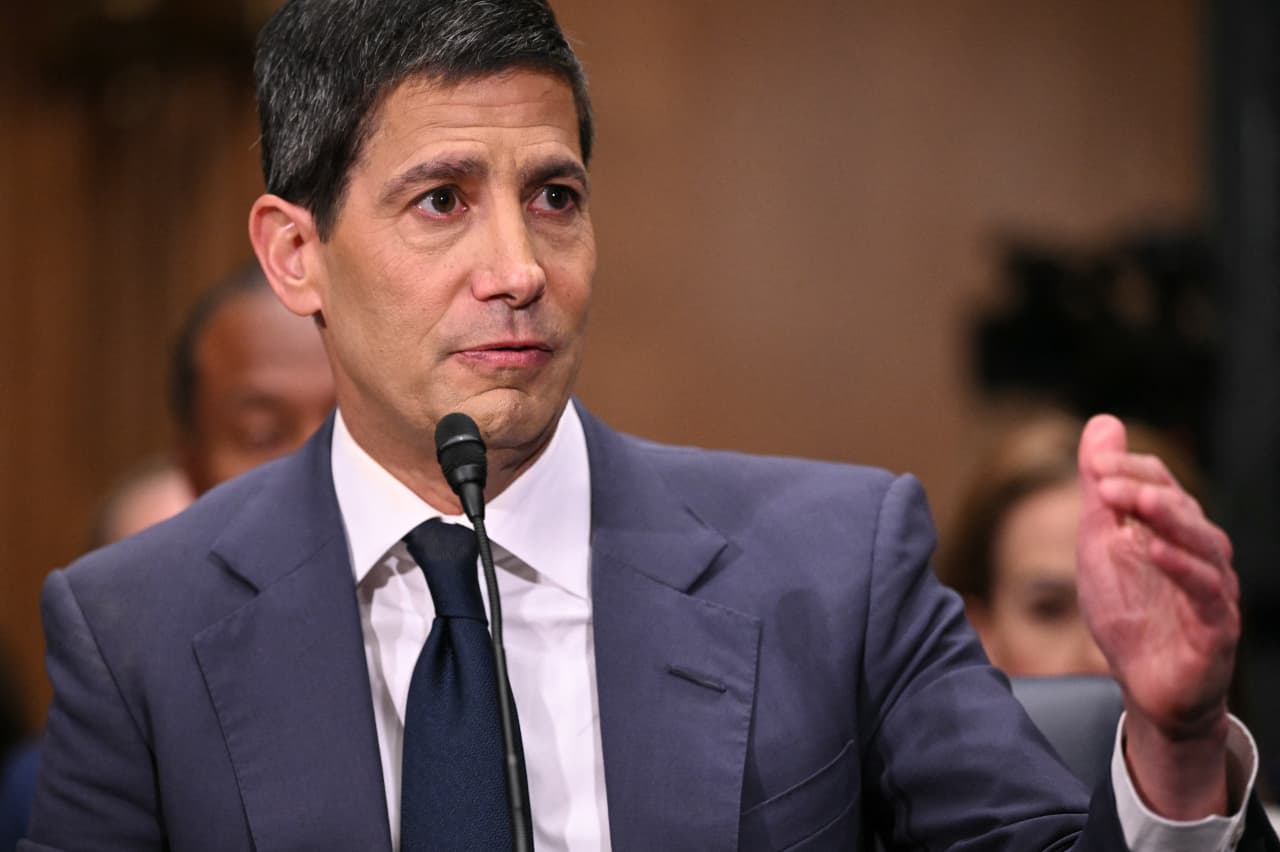
The bond market is pricing in future rate hikes as Kevin Warsh takes over as Federal Reserve Chair, signaling market anticipation of a tighter monetary policy stance. This pre-emptive adjustment in yields is effectively raising borrowing costs before any official Fed action.
The bond market is exhibiting strong signals of pre-emptive rate increases, a development observed as Kevin Warsh assumes the chairmanship of the Federal Reserve. This market behavior suggests an anticipation of tighter monetary policy, effectively front-running official Fed actions.
Typically, the transition of leadership at the Federal Reserve is met with market scrutiny and, at times, volatility as participants gauge the new chair's policy inclinations. In this instance, the fixed-income market appears to be pricing in a more hawkish stance under Warsh's leadership even before any formal policy shifts are announced.
Long-term Treasury yields have risen, reflecting increased borrowing costs for the government and, by extension, for corporations and consumers. This upward movement in yields indicates an expectation of higher short-term rates in the future, as investors demand greater compensation for holding debt amid an anticipated tightening cycle. The yield curve's response is a critical indicator for economic analysts, signaling market sentiment regarding inflation expectations and future economic growth.
The implied rate hikes in the bond market translate into higher mortgage rates and corporate lending costs, potentially impacting housing market activity and business investment. This 'market-led' tightening could precede and even influence the Fed's official policy decisions, creating a feedback loop between market expectations and central bank action. The perceived testing period for new Fed chairs often manifests in market turmoil, and the current bond market movements could be interpreted as the initial phase of this dynamic, with investors adjusting portfolios in anticipation of a new monetary policy era.
Analyst's Take
The bond market's early tightening under Warsh, while seemingly reflecting a hawkish outlook, also suggests an underlying market concern about potential inflation re-acceleration or a perceived need for more aggressive normalization. This front-running could lead to a 'bullwhip effect' where the Fed, pressured by market expectations, might either over-tighten, risking an economic slowdown, or under-deliver, potentially leading to increased market volatility as expectations realign. The divergence in equity market performance will be crucial; if equities continue to climb despite rising bond yields, it could signal a belief in strong economic fundamentals capable of absorbing higher rates, or a mispricing of risk.


