MarketsMarketWatchJul 3, 2026· 1 min read
US Beef Prices Climb Despite Record Imports, Fueling Inflation Debate
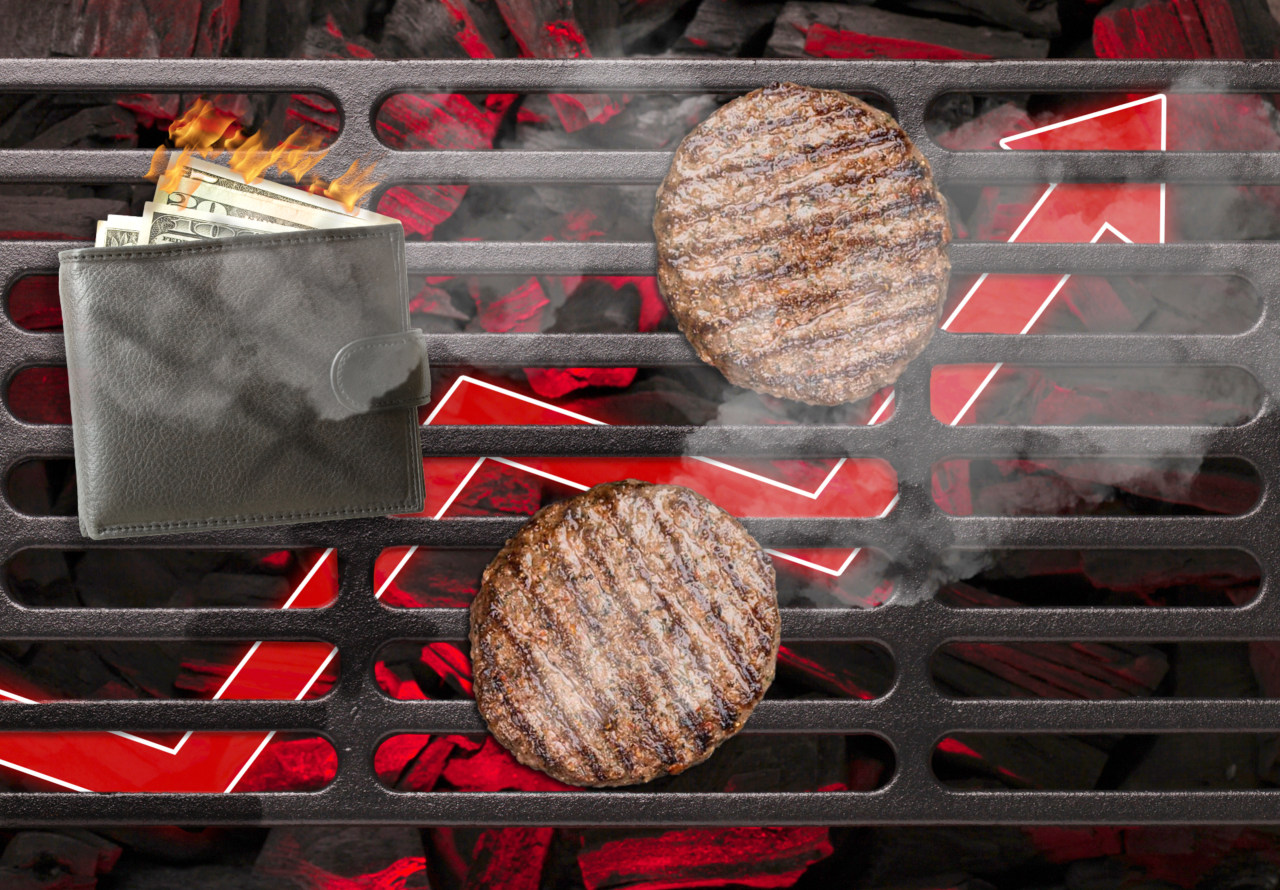
Record beef imports into the U.S. have failed to curb rising domestic beef prices, indicating persistent inflationary pressures. Strong consumer demand and elevated global commodity costs are likely preventing the usual price-dampening effect of increased supply.
Despite record beef imports entering the United States, domestic beef prices have continued an upward trajectory, posing a puzzle for consumers ahead of peak grilling season. Data indicates a substantial increase in foreign beef shipments, a traditional measure aimed at augmenting supply and moderating prices. However, this has not translated into relief for U.S. households, which continue to face elevated costs at the butcher counter.
Economists point to a confluence of factors contributing to this market anomaly. Strong domestic demand, possibly fueled by robust consumer spending and inflationary expectations, appears to be absorbing the additional supply without significant price suppression. Furthermore, global commodity price increases, including feed costs and energy expenses for processing and transportation, are likely contributing to the higher cost basis for both domestically produced and imported beef.
The import strategy, often a governmental response to perceived supply-side constraints or inflationary pressures, appears to be encountering diminishing returns in the current economic climate. While the volume of imports mitigates what could potentially be even steeper price increases, it has failed to reverse the broader inflationary trend impacting the meat sector. This situation underscores the complexity of managing food inflation, where global supply chains, domestic demand dynamics, and input costs interact to determine final consumer prices.
Analyst's Take
The continued rise in beef prices despite record imports signals a deepening demand-side inflation challenge, potentially fueled by nominal wage growth outpacing productivity. This could pressure the Federal Reserve to maintain a hawkish stance longer than anticipated, as demand resilience in staple goods suggests inflation is more entrenched than solely supply-driven.


