MarketsMarketWatchApr 30, 2026· 1 min read
Microsoft's AI Investment Outweighs Cloud Strength, Stock Dips
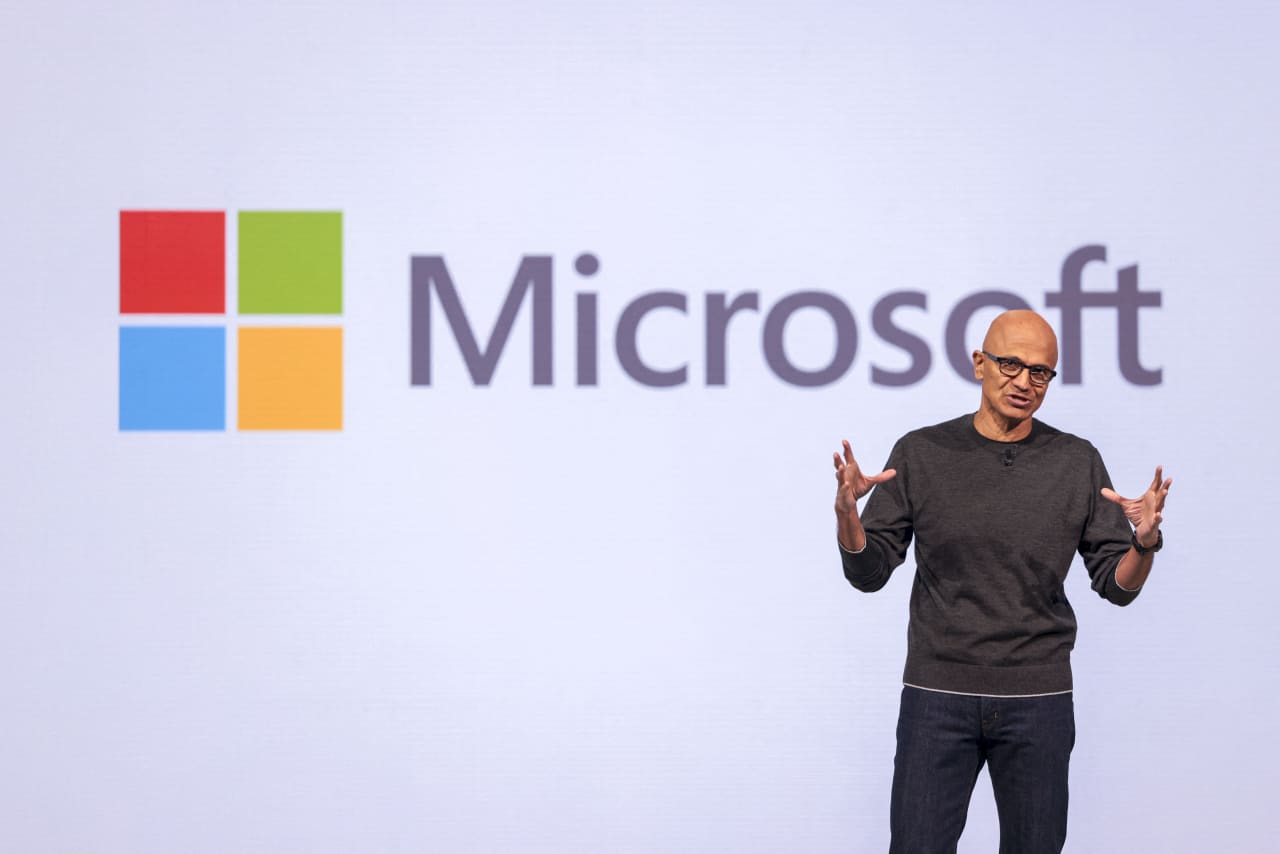
Microsoft's recent earnings showed strong cloud growth and Copilot adoption, but increased AI spending fueled investor concern, leading to a stock dip. Wall Street's focus on near-term profitability outweighed strategic long-term AI investments.
Microsoft's latest earnings report, released recently, revealed robust growth in its cloud services and strong adoption of its Copilot AI offerings. However, these positive indicators were overshadowed by investor concerns regarding the company's increased capital expenditures related to artificial intelligence development. This heightened spending, aimed at solidifying Microsoft's long-term position in the competitive AI landscape, led to a negative reaction from Wall Street, causing the stock to decline in post-earnings trading.
The market's immediate focus appeared to be on the short-term impact of these investments on profitability margins rather than the strategic benefits. While Microsoft did not provide specific figures detailing the AI spending increase, the emphasis on this area within the earnings call and supplementary materials suggested a material uplift in expenses. The company has been aggressively expanding its AI infrastructure and research capabilities to maintain its lead in cloud-based AI solutions and integrate generative AI across its product suite, from enterprise software to consumer applications. This strategic pivot, while promising for future revenue streams, triggered a re-evaluation of near-term earnings potential among some investors, who may have anticipated a more immediate translation of cloud strength into bottom-line growth without significant accompanying cost increases. The market reaction highlights the ongoing tension between strategic long-term investments and short-term financial performance expectations in the tech sector, particularly in the nascent and capital-intensive AI domain.
Analyst's Take
The market's immediate reaction may be underestimating the stickiness of early enterprise AI adoption; increased CapEx now could translate into significant recurring revenue and higher switching costs for competitors in 18-24 months. Furthermore, sustained high CapEx in AI by tech giants may signal tightening access to crucial GPU and data center resources, potentially increasing barriers to entry for smaller AI startups and consolidating market power among the well-capitalized few.


