MarketsMarketWatchApr 29, 2026· 1 min read
Powell Confirms Fed Board Tenure Amidst Political Speculation
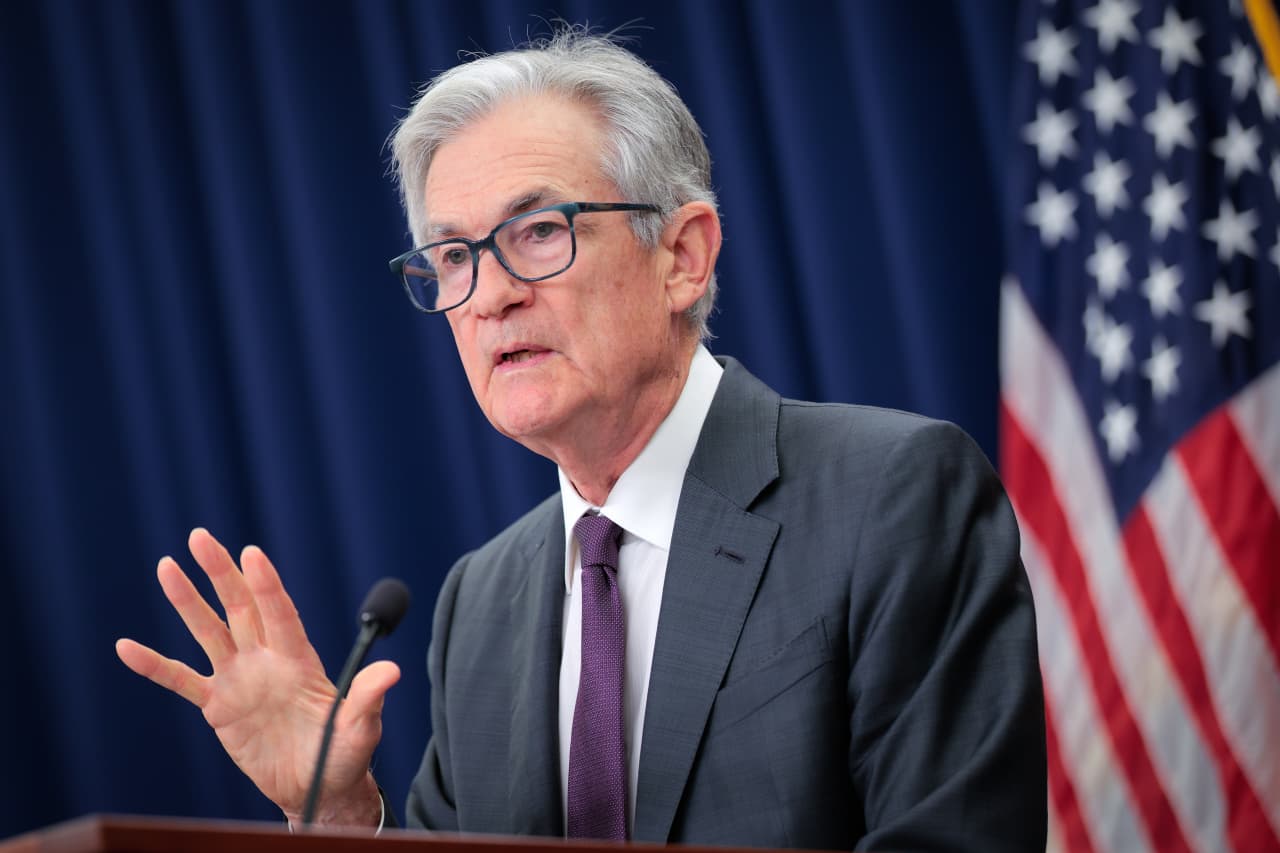
Former Federal Reserve Chair Jerome Powell confirmed he will remain a governor on the Fed's board for an unspecified duration. This decision follows political pressure and aims to provide continuity amidst leadership changes at the central bank.
Outgoing Federal Reserve Chair Jerome Powell announced Wednesday his intention to remain a governor on the Federal Reserve Board for an undetermined period. This declaration follows widespread market and political speculation regarding his future at the central bank, particularly given public comments from former President Donald Trump, who recently stated he would not renominate Powell for the chairmanship.
Powell's decision to stay on the Board, even without the top leadership role, provides a measure of continuity for the institution. The Federal Reserve Board consists of seven governors, each serving a 14-year term. While the Chair's term is four years and renewable, the underlying governor position ensures institutional knowledge and experience are retained. His continued presence can help bridge the transition to a new Fed Chair and potentially influence policy debates from within the Board.
Economically, Powell's decision might temper some market uncertainty that could arise from a complete changeover in leadership and institutional memory at a critical juncture. His expertise, particularly on inflation management and monetary policy execution through various economic cycles, remains valuable. While his influence as a governor will be less direct than as Chair, his voice will still be present in monetary policy decisions, potentially offering a more consistent view on economic outlooks and policy directions than a complete departure would have.
His tenure as a governor will allow for a smoother handover, potentially reducing the risk of sharp shifts in policy communication or execution that a completely new Board might otherwise present. This move can be interpreted as an effort to safeguard the central bank's operational independence and maintain a steady hand in economic governance.
Analyst's Take
Powell's decision, framed as continuity, subtly telegraphs a potential internal counterweight to any incoming Chair whose monetary policy views diverge significantly from the current consensus. This creates a fascinating dynamic where the market might price in a slightly less dovish or hawkish path than the new Chair's public rhetoric alone might suggest, contingent on the composition of the Board and the influence Powell can exert. This underlying tension, rather than outright disruption, is what markets will likely be watching closely.


