MacroBBC BusinessJul 1, 2026· 1 min read
Automakers Face Legal Hurdles in Vehicle Tracking, Impacting Theft Recovery
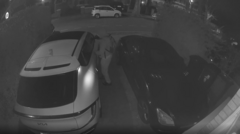
Automakers like Kia are legally restricted from using live vehicle tracking for theft recovery in the UK, limiting the utility of embedded location technology. This regulatory environment could lead to higher insurance premiums and hinder innovation in automotive anti-theft systems.
Automakers are encountering legal limitations in deploying advanced vehicle tracking technologies for theft recovery, a situation highlighted by Kia's recent statement to the BBC. The South Korean manufacturer indicated that existing UK law restricts its ability to live-track stolen vehicles, preventing the direct use of its embedded location tracking function by owners or law enforcement in real-time recovery efforts. This legal constraint means that while vehicles may possess sophisticated GPS and telematics capabilities, their full potential for rapid theft interdiction is currently unrealized due to privacy regulations and data access protocols.
The economic implications of this regulatory environment are multifaceted. For consumers, the inability to effectively leverage integrated tracking systems could translate into higher insurance premiums as insurers bear increased costs associated with vehicle replacement or protracted recovery processes. The resale value of certain vehicle models might also be indirectly affected if potential buyers perceive them as less secure or harder to recover post-theft due to these tracking limitations. From an automotive industry perspective, the situation presents a disincentive for further investment in sophisticated anti-theft tracking technologies if their practical application remains legally encumbered. This could hinder innovation in vehicle security systems that rely on real-time data transmission and remote intervention capabilities.
Furthermore, the current legal framework places a greater burden on law enforcement agencies, requiring traditional investigative methods rather than enabling immediate, technology-driven responses to vehicle theft. This increases operational costs for public services and potentially lowers recovery rates, perpetuating a cycle of financial loss for both individuals and the broader economy. The disparity between technological capability and legal permissibility underscores a broader challenge in balancing consumer privacy rights with the utility of connected vehicle features, impacting the effective deployment of smart technologies in urban and national security contexts.
Analyst's Take
The immediate impact on insurance premiums might be marginal, but the broader implication is a decelerating trend in leveraging IoT for public safety, as legal frameworks struggle to keep pace with technological advancements. This divergence could eventually spawn a secondary market for third-party tracking solutions, creating new regulatory challenges and potentially eroding brand loyalty for automakers who cannot offer integrated, legally compliant recovery services.

