MarketsMarketWatchJun 22, 2026· 1 min read
China's Economy Finds Unexpected Lift in 'Emotional Consumption' Amid Property Woes
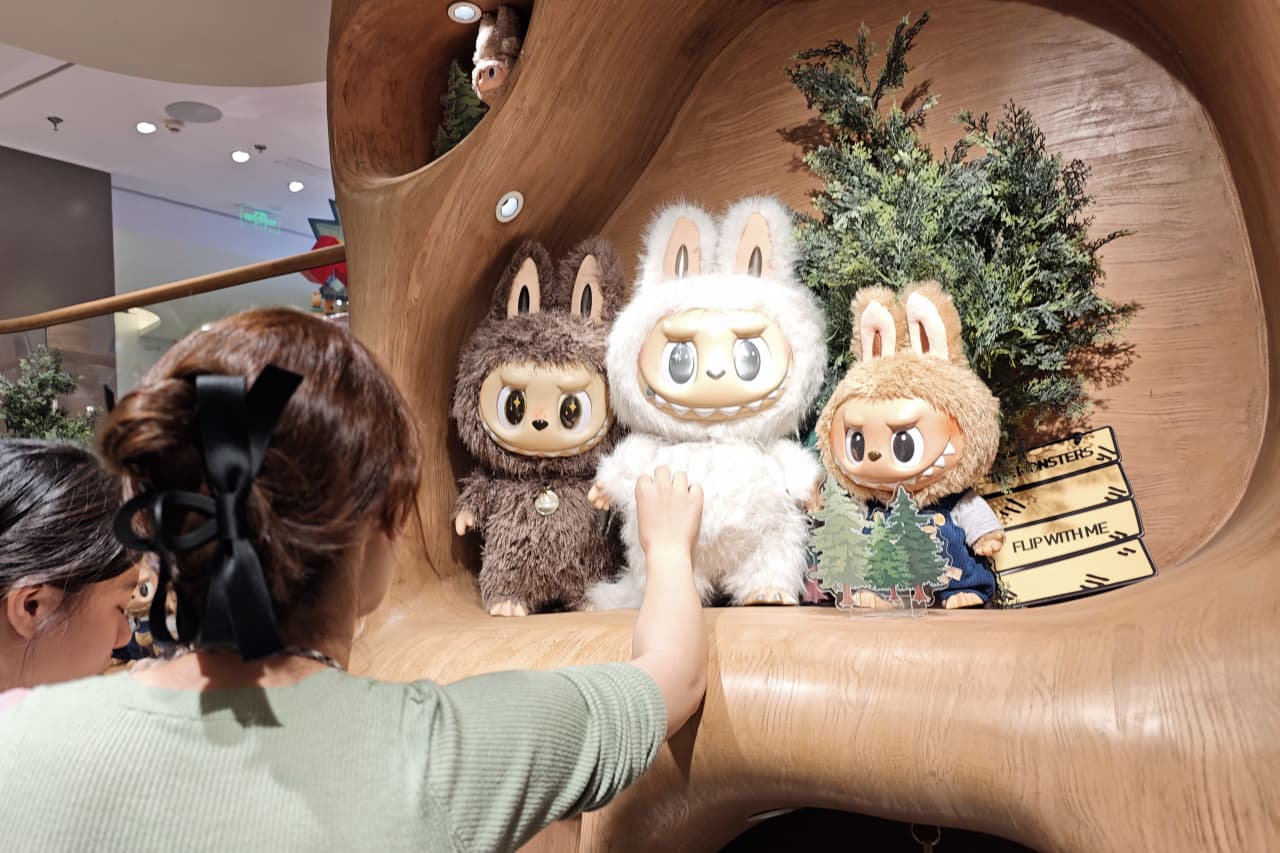
Chinese consumers are increasingly engaging in 'emotional consumption,' buying novelty items for psychological comfort amidst the property market downturn. This trend indicates a reallocation of discretionary spending by a populace grappling with economic uncertainty, rather than a robust recovery in overall consumer confidence.
China’s economy is witnessing an unusual consumption trend, dubbed 'emotional consumption,' as consumers increasingly purchase items that offer psychological comfort rather than practical utility. This shift is particularly evident in the growing demand for novelty items like toy elves and robot police figures, suggesting a coping mechanism among the populace amid a prolonged downturn in the property sector.
The real estate crisis, a significant pillar of China's economic growth, has eroded consumer confidence and wealth. Historically, property acted as a primary investment vehicle and a store of value for Chinese households. Its current struggles, marked by developer defaults and falling property values, have impacted household balance sheets and dampened spending on traditional big-ticket items. In response, a segment of the population appears to be diverting disposable income towards smaller, emotionally gratifying purchases.
While this 'emotional consumption' provides a marginal boost to specific retail segments, particularly those involved in novelties and entertainment, its overall economic impact is limited. It does not compensate for the broader contraction in real estate investment or the slowdown in other key consumer spending categories, such as durable goods or services that typically accompany a robust economy. The trend highlights a deeper undercurrent of economic uncertainty and psychological stress within the Chinese consumer base, signaling a search for immediate gratification and escapism rather than long-term economic optimism.
Economically, this phenomenon underscores a reallocation of discretionary spending rather than a net increase. It reveals the resilience of certain niche markets capable of tapping into consumer sentiment, even when broader economic indicators are soft. However, it also serves as a poignant indicator of the structural challenges China faces as it attempts to rebalance its economy away from an overreliance on property and investment towards more sustainable, consumer-led growth.
Analyst's Take
This 'emotional consumption' is a leading indicator of declining long-term confidence in traditional asset classes, particularly real estate, among Chinese households. The shift towards ephemeral psychological gratification, rather than durable goods or investment, suggests a nascent 'Japanification' of consumer behavior, potentially signaling prolonged deflationary pressures as capital velocity slows and risk aversion increases across the economy.


