MarketsMarketWatchApr 30, 2026· 1 min read
Trump Executive Order Offers Limited Retirement Savings Relief for Low Earners
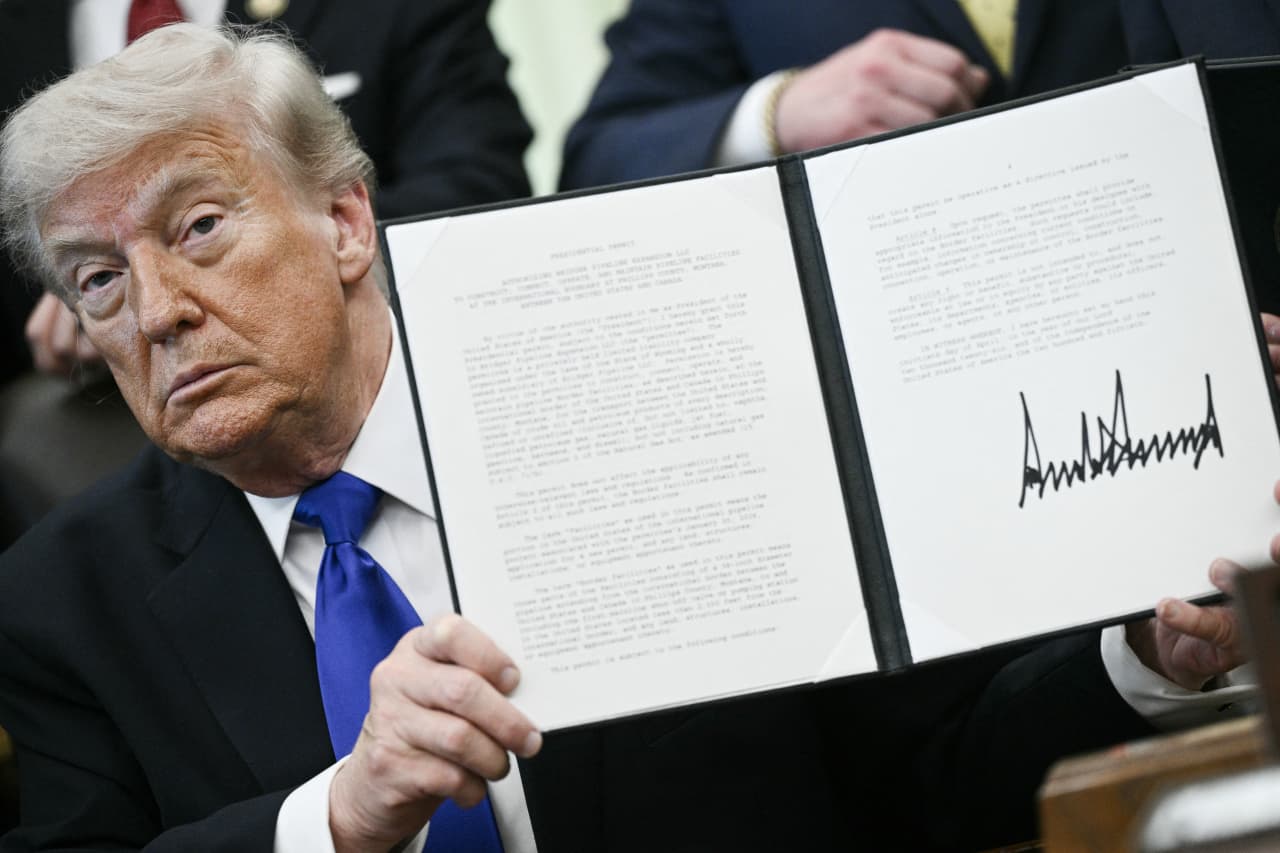
A new Trump administration executive order aims to expand access to retirement savings plans, particularly for small businesses and workers without employer-sponsored options, by easing regulations on 'open' multiple employer plans. However, experts contend its impact on low-income earners (under $35,000) will be negligible due to the absence of direct financial incentives or increased disposable income.
A recent executive order by the Trump administration aims to expand access to retirement savings plans, particularly for workers without employer-sponsored options. However, financial experts suggest the order's impact on individuals earning less than $35,000 annually will be minimal. The initiative primarily focuses on reducing regulatory hurdles for 'open' multiple employer plans (MEPs), allowing small businesses to band together to offer 401(k)s with lower administrative costs. This could theoretically broaden access to workplace retirement plans for employees of small firms.
Historically, a significant challenge in retirement savings has been reaching the segment of the workforce not covered by traditional employer plans. While MEPs could offer a pathway for some, the core issue for low-wage earners — a lack of discretionary income to save — remains unaddressed. The order does not introduce new tax incentives or direct financial support for saving, nor does it mandate employer contributions. Consequently, while the supply of retirement plan options may increase, the demand-side constraint for low-income workers is largely unchanged.
Financial advisors and policy analysts note that regulatory simplification alone is unlikely to overcome the economic realities faced by those earning below a certain threshold. Without sufficient disposable income, the availability of a retirement account, even one with lower fees, may not translate into meaningful savings. The executive order is positioned as a step towards addressing a long-standing issue in retirement security, but its economic efficacy for the most vulnerable demographic appears limited.
Analyst's Take
While the executive order aims to reduce friction in retirement plan provision, its ultimate effect on aggregate savings rates, particularly among low-income cohorts, will likely be muted. The structural impediment for these workers isn't access to a vehicle, but rather the capital itself, suggesting that policy interventions focused solely on supply-side regulatory adjustments may overlook the more potent demand-side constraints of wage stagnation and cost-of-living increases, potentially leading to a persistent and growing retirement savings gap.


