MacroBBC BusinessJun 9, 2026· 1 min read
Beauty Pie Ad Ban Highlights Regulatory Scrutiny in Cosmetics Market
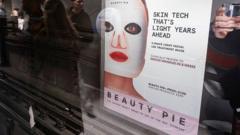
The UK's Advertising Standards Authority has banned a Beauty Pie advertisement for its LED mask, ruling that the claim of 'clinically proven to reduce wrinkles in four weeks' was misleading. The watchdog found the supporting clinical evidence insufficient, emphasizing regulatory pressure on beauty product claims.
The UK's advertising watchdog, the Advertising Standards Authority (ASA), has banned an advertisement for Beauty Pie's 'Pro-Glow' LED mask. The ASA ruled that the company's claim that the mask was 'clinically proven to reduce wrinkles in four weeks' was misleading and lacked adequate substantiation. This decision follows an investigation initiated after a complaint challenged the validity of the scientific evidence presented.
Beauty Pie, a subscription-based beauty product retailer, had supported its claim with a study conducted by a third-party research organization. However, the ASA found the methodology and results of this study insufficient to unequivocally prove the stated efficacy within the advertised timeframe. Specifically, the watchdog highlighted concerns regarding the sample size, control group comparisons, and the statistical significance of the observed improvements in skin appearance.
This regulatory action underscores the increasing scrutiny faced by the beauty and wellness industry regarding product claims, particularly those related to anti-aging and clinical efficacy. The ASA's intervention reinforces consumer protection standards and mandates that companies provide robust, independent, and peer-reviewed scientific evidence to support marketing assertions. For Beauty Pie, the ban necessitates a revision of its marketing materials for the 'Pro-Glow' LED mask, potentially impacting sales and brand perception if consumers perceive a breach of trust. Economically, such rulings can influence investment in product development, shifting focus towards more rigorously tested and substantiated innovations to avoid similar regulatory setbacks.
Analyst's Take
While seemingly minor, this ruling signals a broader trend of heightened regulatory oversight on efficacy claims within the burgeoning health and beauty tech market. This increased scrutiny could lead to higher R&D costs for companies seeking to validate product performance, potentially driving consolidation as smaller players struggle to meet stringent evidentiary requirements, and ultimately impacting consumer prices and market accessibility for innovative, yet unproven, devices.

