EnergyOilPrice.comJun 23, 2026· 1 min read
Chinese EVs Fuel European Car Sales Growth Amid ICE Decline
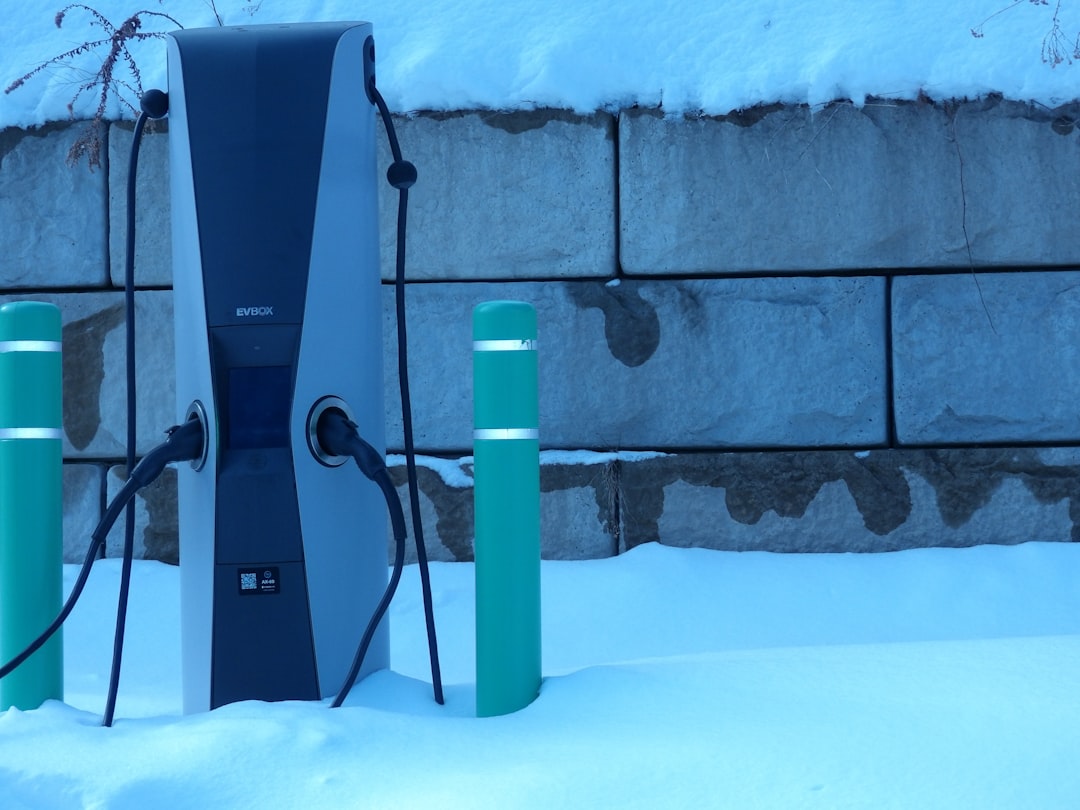
European car registrations rose by 3.6% in May, with electric vehicles, including a growing share of Chinese brands, driving the overall market growth. This expansion occurred as gasoline and diesel car sales declined, partly due to high fuel prices.
European car registrations increased by 3.6% in May, contributing to a 4.5% year-to-date rise, according to the European Automobile Manufacturers’ Association (ACEA). This growth was primarily driven by the accelerating adoption of electric vehicles (EVs), which saw a significant 34% year-on-year sales surge in May. Notably, Chinese EV brands are rapidly expanding their market share across the continent.
The robust EV performance comes as sales of traditional gasoline and diesel internal combustion engine (ICE) vehicles continued their decline. This shift is partly influenced by sustained high fuel prices, which enhance the economic appeal of electric alternatives for consumers.
The influx of Chinese EV manufacturers is intensifying competition within the European automotive market. These brands are increasingly offering price-competitive models, challenging established European automakers and diversifying consumer choices. The trend suggests a structural transformation in the European automotive landscape, moving away from fossil fuel dependency and embracing electrification.
From an economic perspective, the rise of Chinese EVs could lead to several implications. It may put downward pressure on EV prices overall, benefiting consumers and potentially accelerating the transition away from ICE vehicles. However, it also presents a strategic challenge for European legacy manufacturers, who must innovate and adapt to maintain competitiveness against these new entrants. Furthermore, the increasing reliance on imported EVs raises questions about trade balances and the localization of manufacturing and supply chains within the European Union.
Analyst's Take
The rapid penetration of Chinese EV brands in Europe is not merely a sales story; it signals a potential re-shoring of automotive manufacturing capabilities to Asia for specific value chain components, impacting long-term EU industrial policy and employment. This influx could also pressure European charging infrastructure development to keep pace, creating a bottleneck that might temper future EV demand despite competitive vehicle pricing.