MarketsMarketWatchMay 28, 2026· 1 min read
US Strategic Petroleum Reserve Nears 40-Year Lows Amid Global Market Shifts
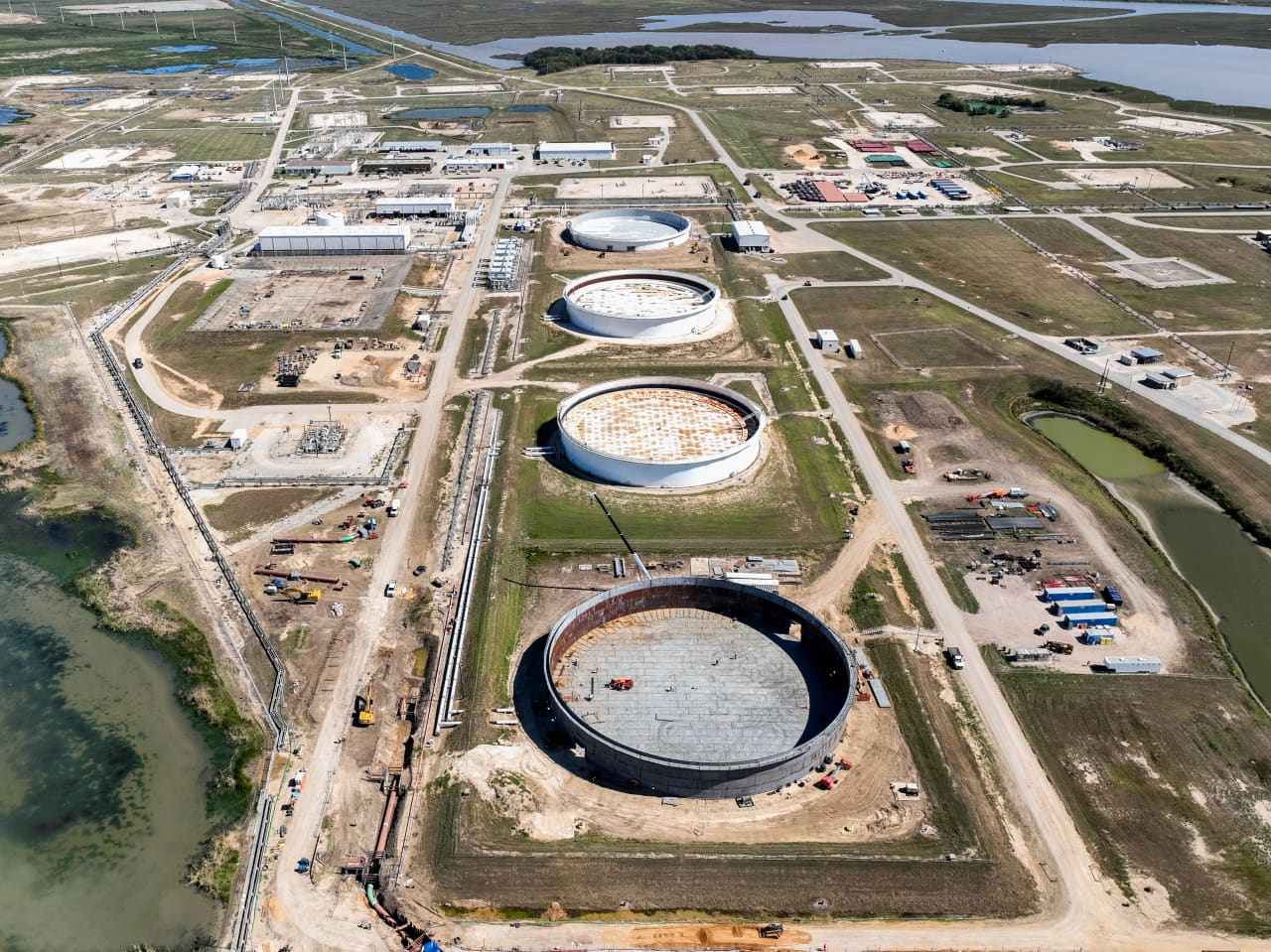
The US Strategic Petroleum Reserve (SPR) is at a four-decade low, reflecting a policy choice to combat high gasoline prices and leverage robust domestic production. While immediate supply concerns are mitigated, the diminished reserve capacity reduces a key tool for future market stabilization during potential global disruptions.
The United States Strategic Petroleum Reserve (SPR) has reached its lowest levels in over four decades, a development prompting scrutiny from energy market participants and policymakers. While the substantial drawdown has been widely reported, its economic implications are nuanced, given the dynamic global energy landscape.
Previously, significant SPR releases were deployed to stabilize crude oil prices following supply disruptions or to counter inflationary pressures. The current depletion reflects a strategic shift, with the Biden administration initiating releases to combat surging gasoline prices and to align with international efforts to increase supply. Consequently, commercial crude inventories have shown resilience, mitigating immediate concerns about domestic supply shortages. US crude oil production has also rebounded, with domestic output reaching record levels in 2023, averaging 12.9 million barrels per day, according to the Energy Information Administration.
However, the reduced SPR capacity diminishes a key tool for future market interventions. In the event of a geopolitical shock or a sudden, severe supply disruption, the US would have less flexibility to release crude onto global markets, potentially leading to sharper price spikes and increased energy price volatility. The long-term implications for energy security and geopolitical leverage are also being assessed, as a smaller reserve could alter the US's ability to influence global oil prices during crises.
The Department of Energy has stated intentions to replenish the SPR when market conditions are favorable, specifically when prices are lower. However, consistent replenishment has been challenging due to sustained higher crude oil prices. This ongoing tension between current market dynamics and the strategic imperative of rebuilding reserves remains a critical point for energy policy and economic stability.
Analyst's Take
The ongoing struggle to replenish the SPR at lower prices signals a structural shift in global crude markets where the traditional 'put option' against price spikes held by strategic reserves is becoming more expensive and less effective. This points to a likely increase in volatility premiums in forward oil contracts, as the market internalizes a reduced governmental capacity to dampen shocks, potentially driving inflation expectations higher in energy-intensive sectors despite current price stability.


