TradeSCMP BusinessApr 26, 2026· 1 min read
HKEX Proposes T+1 Settlement to Boost Global Financial Hub Status
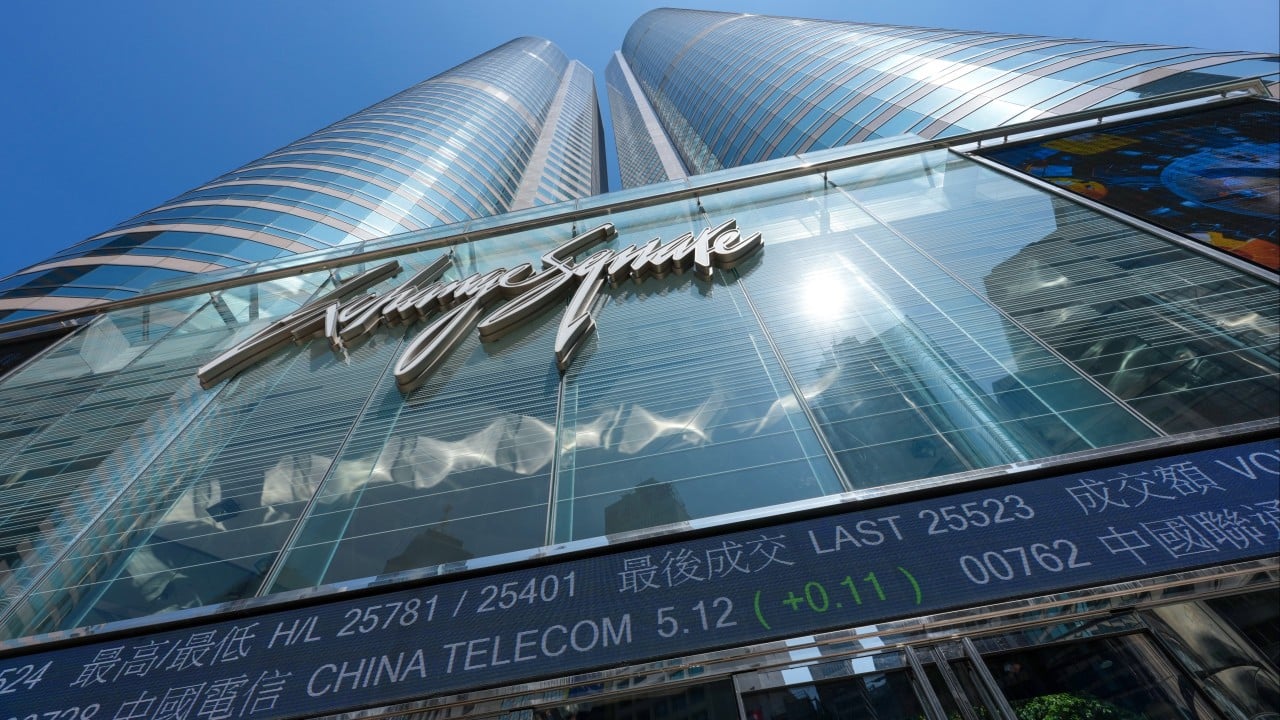
HKEX is consulting on a proposal to shorten Hong Kong's stock settlement cycle from T+2 to T+1 starting next year, aiming to enhance market efficiency and reinforce its position as a global financial hub. This shift is intended to reduce risk, improve capital velocity, and attract more trading activity.
Hong Kong Exchanges and Clearing (HKEX) is currently consulting market participants on a proposal to shorten its stock settlement cycle from the current T+2 to T+1, commencing next year. This initiative, if implemented, would mark a significant operational shift for the Hong Kong stock market, which has maintained a T+2 settlement period for over three decades.
The move is primarily aimed at enhancing Hong Kong's competitiveness and operational efficiency as a leading international financial center. A T+1 settlement cycle, where trades are finalized one day after execution, reduces counterparty risk and collateral requirements, potentially freeing up capital for market participants. This increased capital velocity can attract more trading activity and investment, particularly from institutions sensitive to capital lock-up periods.
From an economic perspective, faster settlement cycles generally improve market liquidity and reduce systemic risk. By aligning with or exceeding the settlement speeds of other major global exchanges, Hong Kong seeks to solidify its position in an increasingly competitive financial landscape. The proposal reflects a broader global trend towards accelerating transaction processing in financial markets, driven by technological advancements and the demand for more efficient capital utilization. The consultation process is crucial for gathering feedback from brokers, custodians, and other stakeholders to ensure a smooth transition and minimize potential disruptions.
Analyst's Take
While T+1 aims to boost market efficiency, the primary economic impact might be felt in the shadow banking sector and smaller brokerage firms. Reduced collateral requirements could paradoxically increase leverage appetite in less regulated pockets, potentially leading to unseen liquidity crunches if not carefully monitored. The true test of competitive edge won't be immediate trading volume, but rather the migration of institutional treasury operations, which will signal a longer-term structural shift in capital allocation within Asia, likely becoming evident 12-18 months post-implementation.