MarketsMarketWatchAug 5, 2026· 1 min read
Novo Nordisk's GLP-1 Market Share Erosion Raises European Competitiveness Concerns
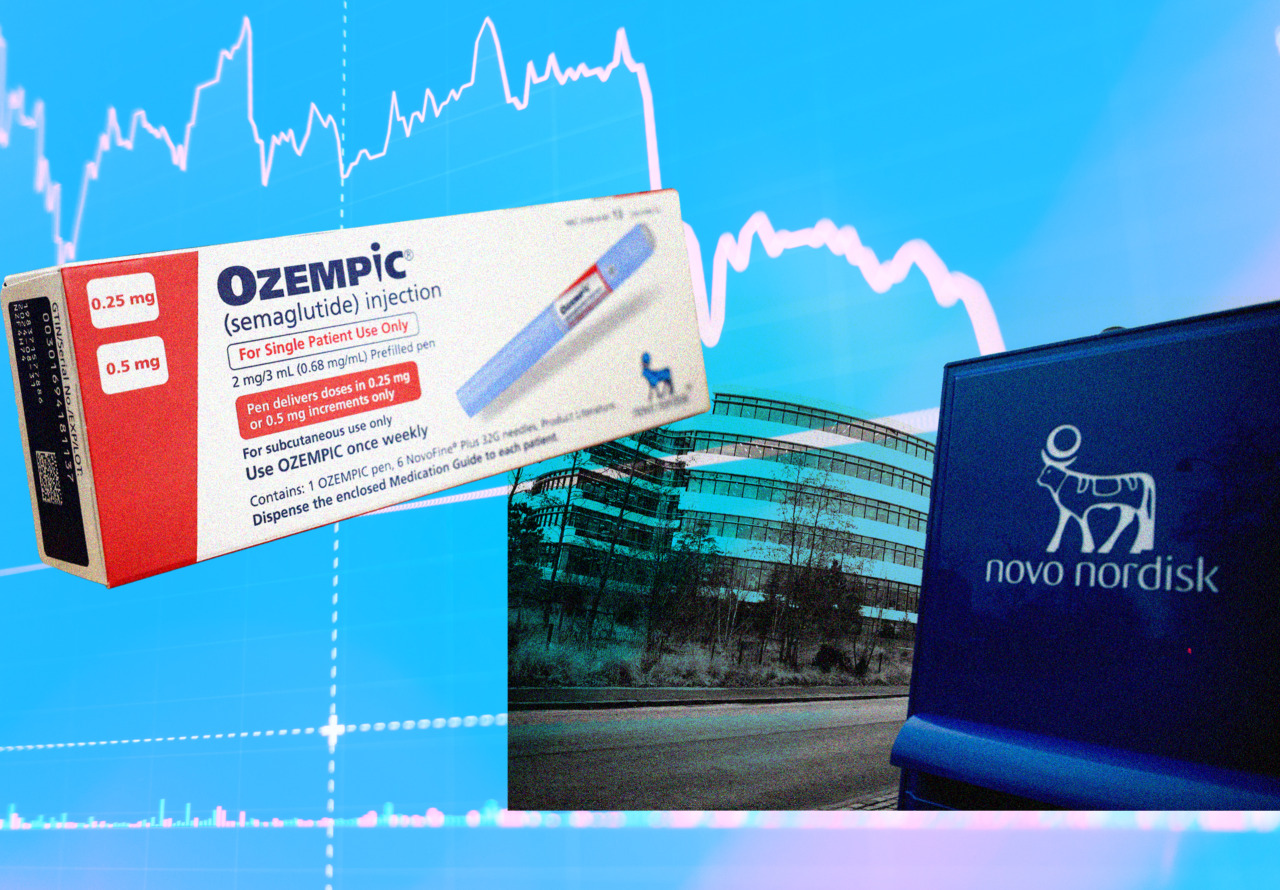
Danish pharmaceutical firm Novo Nordisk has lost its market lead in the lucrative GLP-1 weight-loss drug sector to American competitor Eli Lilly. This shift raises questions about Europe's broader ability to compete in high-growth, high-value global industries.
Novo Nordisk, the Danish pharmaceutical giant, has seen its dominance in the burgeoning GLP-1 weight-loss drug market challenged by American rival Eli Lilly. Initially a leader with Ozempic, Novo Nordisk has experienced significant market share erosion, prompting broader discussions about Europe's capacity to compete in high-stakes global pharmaceutical sectors.
The GLP-1 drug class represents a multi-billion dollar opportunity, with projections indicating sustained growth. Novo Nordisk's early success with its flagship product established a strong market presence, generating substantial revenue and attracting considerable investor attention. However, Eli Lilly's strategic advancements and product launches have effectively outmaneuvered the Danish firm, capturing a significant portion of new prescriptions and market value.
This shift in market leadership has economic implications beyond the two companies involved. For Denmark, a key European economy, Novo Nordisk's performance is a major contributor to national GDP and export figures. A loss of competitive edge in such a critical and high-value industry could impact national economic growth and innovation metrics.
More broadly, the scenario highlights the intensity of global competition in life sciences, a sector crucial for advanced economies. European pharmaceutical companies face immense pressure to innovate and scale quickly to maintain relevance against well-funded and agile American counterparts. The ability of European firms to secure and defend intellectual property, navigate regulatory landscapes, and execute effective commercial strategies will be critical in determining the region's overall economic competitiveness in strategically important industries.
Analyst's Take
While this appears as a company-specific competitive dynamic, it implicitly signals a potential divergence in healthcare sector investment sentiment between Europe and the U.S. A sustained pattern of European companies losing ground in critical, high-margin biotech segments could gradually shift capital allocation preferences, potentially impacting long-term R&D funding and valuations for other European pharmaceutical and biotech firms relative to their American peers, even before broader economic data reflects the impact.


