MarketsMarketWatchMay 6, 2026· 1 min read
I Bond Surge Signals Persistent Inflationary Pressures
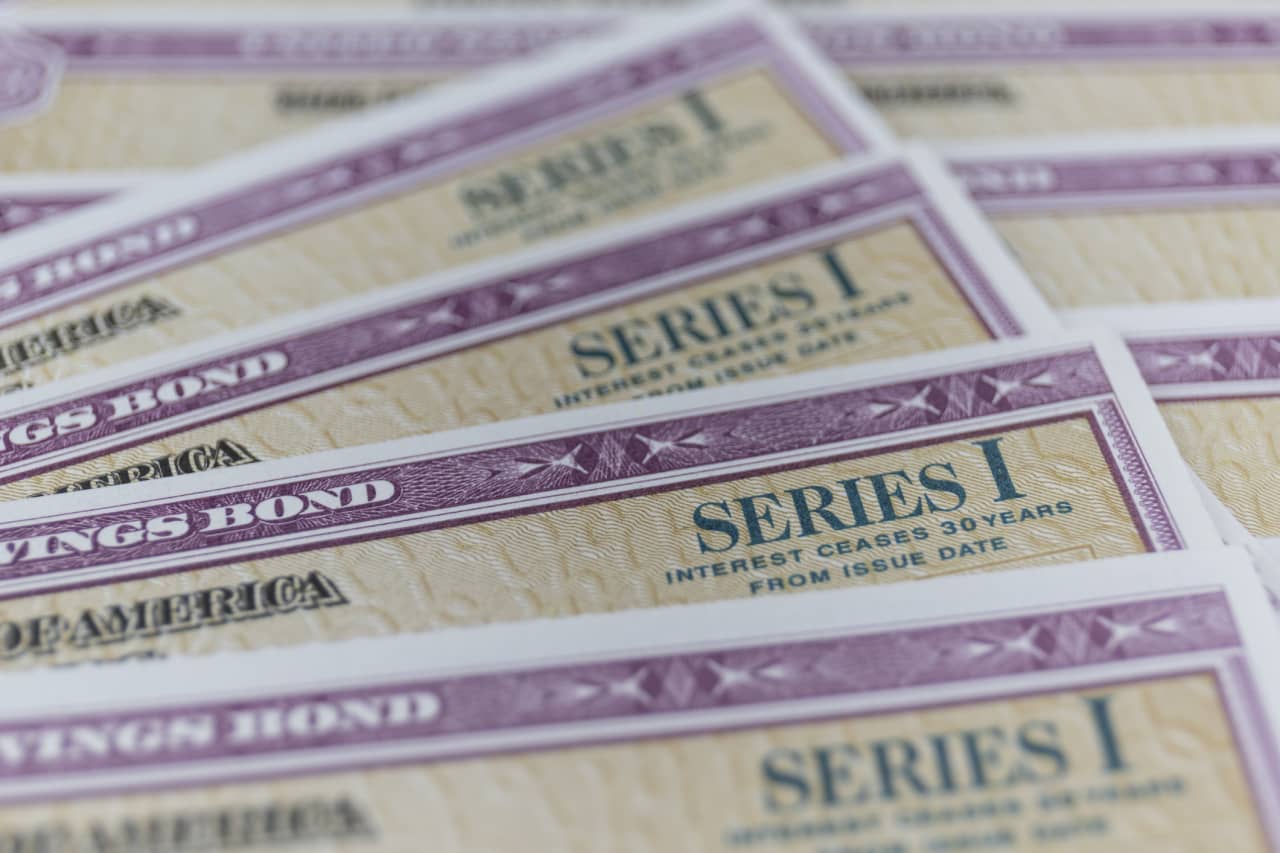
U.S. Series I Savings Bonds are offering an annualized rate of 5.27% for the next six months, reflecting persistent inflation and driving significant investor demand. This surge in I bond popularity signals that market participants expect continued inflationary pressures, challenging the narrative of rapidly cooling prices.
The U.S. Treasury's Series I Savings Bonds, commonly known as I bonds, have seen a significant surge in demand, driven by their attractive fixed-rate component combined with an inflation-adjusted variable rate. For the next six months, newly purchased I bonds will yield an annualized rate of 5.27%, a direct reflection of recent inflation data. This follows a previous rate of 6.48% and an even higher 9.62% in late 2022, highlighting the product's responsiveness to consumer price dynamics.
Historically, I bonds have offered a low fixed rate, making their appeal primarily tied to their inflation protection feature. The current market environment, however, sees investors actively seeking inflation hedges, pushing I bond purchases to levels not seen since periods of elevated inflation. The interest rate on I bonds adjusts every six months, based on the non-seasonally adjusted Consumer Price Index for all Urban Consumers (CPI-U). The recent upward adjustment in the composite rate indicates that underlying inflationary pressures, as measured by this metric, remain a notable factor in the economic landscape.
While I bonds offer a secure, government-backed investment, their heightened popularity serves as a concerning signal for broader economic stability. The robust demand implies that a substantial segment of investors anticipates continued, or potentially rising, inflation, compelling them to allocate cash towards instruments designed specifically to mitigate purchasing power erosion. This investment behavior contradicts the narrative of rapidly subsiding inflation and could pressure policymakers to maintain a vigilant stance on monetary policy. The sustained attractiveness of I bonds suggests that the market's inflation expectations are more entrenched than some official forecasts might indicate, posing a challenge to achieving the Federal Reserve's 2% inflation target in the near term.
Analyst's Take
The sustained appeal of I bonds suggests that market participants are not fully convinced by the disinflationary trend indicated by headline CPI, anticipating that core inflation and services inflation will remain sticky. This divergence in sentiment could delay the Federal Reserve's rate-cutting cycle longer than currently priced by equity markets, potentially leading to a repricing of risk assets as the Fed’s 'higher for longer' rhetoric gains further traction later this year.


