MarketsMarketWatchJun 14, 2026· 1 min read
Warsh's Inaugural Fed Meeting: Awaiting Policy Direction Amid Uncertainty
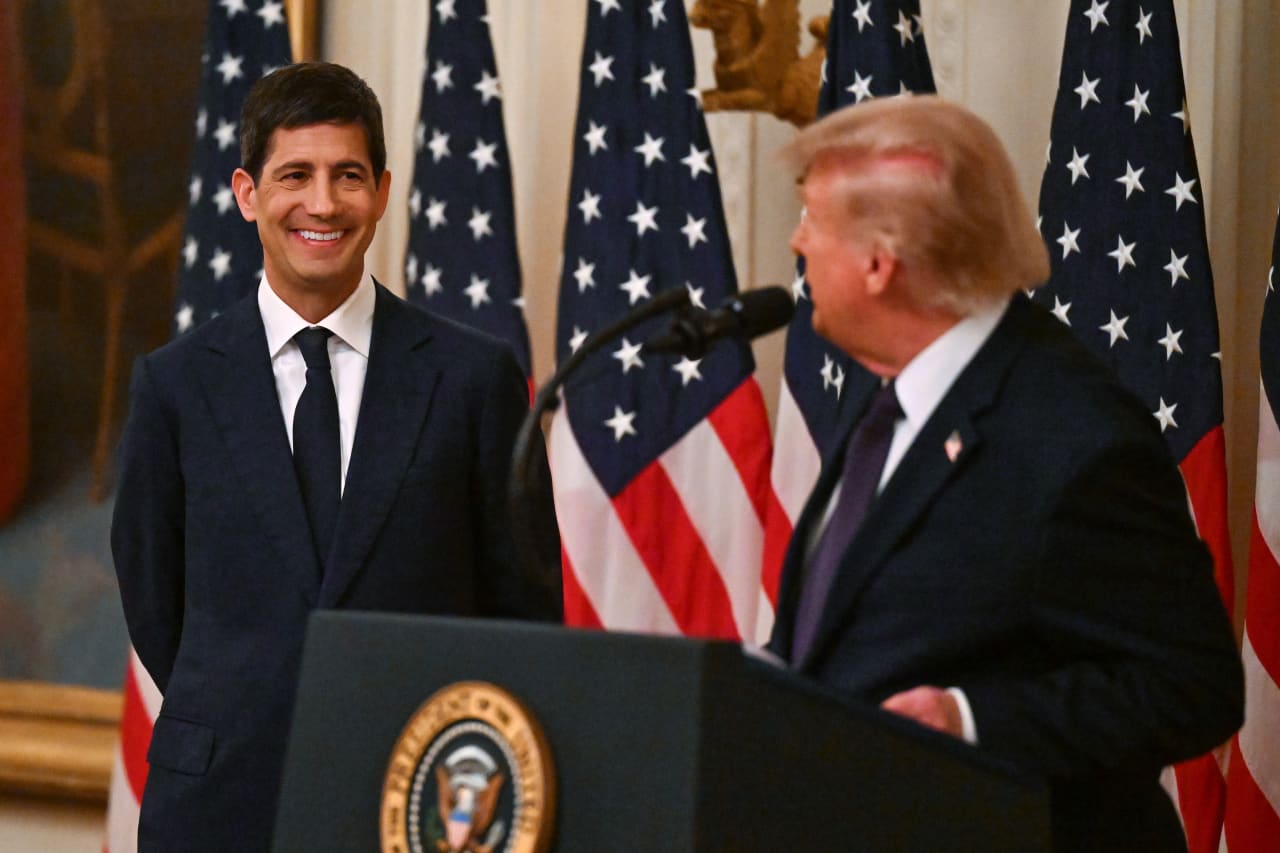
Kevin Warsh's first Federal Reserve meeting as Chair is highly anticipated due to widespread uncertainty about his monetary policy stance. Economists and markets await his post-meeting press conference for clarity on interest rates, quantitative easing, and his overall economic outlook.
Kevin Warsh is set to lead his first Federal Reserve meeting as Chair this week, an event closely watched by economists and market participants due to significant uncertainty surrounding his policy stance. Warsh's previous public statements and academic work have offered various interpretations, leaving analysts without a clear consensus on his likely approach to monetary policy.
The market's primary focus will be on Warsh's press conference following the Federal Open Market Committee (FOMC) meeting, where he is expected to articulate his economic outlook and potential policy intentions. This inaugural appearance will be crucial for establishing his communication style and providing guidance on the Fed's future trajectory regarding interest rates, quantitative easing, and inflation targets.
Economists are particularly keen to discern whether Warsh will lean towards a more hawkish or dovish stance. His past commentary has been perceived by some as favoring tighter monetary policy, while others interpret his views as more flexible, depending on economic data. This ambiguity has contributed to a cautious sentiment among investors, as the direction of the world's largest economy's monetary policy under new leadership holds substantial implications for global markets.
The meeting's outcome will directly impact expectations for future rate adjustments and the broader financial landscape. A clear articulation of a coherent policy framework could reduce market volatility, while continued ambiguity might lead to further speculation and price fluctuations in equities, bonds, and currency markets. The immediate economic implications hinge on how Warsh frames the current economic conditions and the Fed's role in guiding growth and price stability.
Analyst's Take
The market's current focus on Warsh's immediate policy leanings may overlook the longer-term implications of his appointments to key Fed positions. His ability to shape the composition of the Board of Governors over time will have a more profound and lasting impact on monetary policy than any single meeting, influencing the Fed's reaction function to economic shocks well beyond the immediate rate cycle. This subtle shift in institutional make-up could be a leading indicator of a fundamental change in the Fed's long-run strategic objectives.


