EnergyOilPrice.comJun 3, 2026· 1 min read
Copper Prices Nearing All-Time Highs Amid Supply Shortages
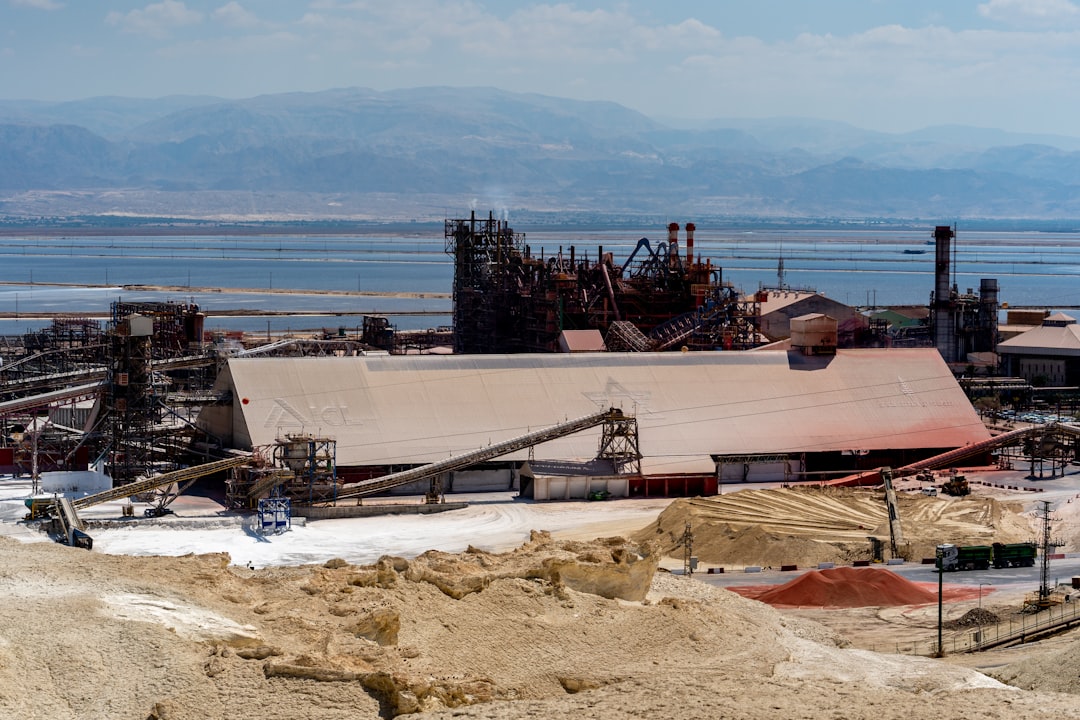
Copper prices are trading above $14,000 per ton, nearing January's all-time high, driven by a tightening supply outlook. Goldman Sachs has raised its end-2026 price target due to revised global mine supply estimates stemming from operational disruptions at key mining sites.
Copper prices are experiencing a significant rally, with the metal trading above $14,000 per ton in London, approximately $500 short of its record high set in January. This upward movement is being reinforced by bullish outlooks from major financial institutions, notably Goldman Sachs.
Goldman Sachs recently increased its end-2026 copper price target by over 10%, raising its forecast to $13,735 per ton from a previous $12,465 per ton. This revised projection is primarily attributed to a more constrained supply outlook than previously anticipated. The bank downgraded its global mine supply estimate by 350,000 tons, citing persistent operational disruptions.
Key among these disruptions are issues at Indonesia's Grasberg complex and Ivanhoe Mines' Kamoa-Kakula operation. These ongoing challenges in major mining regions are exacerbating concerns about the availability of copper, a critical industrial metal. The tightening supply landscape, coupled with sustained demand, is creating upward price pressure. This trend has significant implications for sectors reliant on copper, including manufacturing, construction, and renewable energy, potentially impacting input costs and project viability.
Analyst's Take
The persistent supply disruptions highlighted by Goldman Sachs, particularly from major operations like Grasberg and Kamoa-Kakula, signal a deeper structural issue in global copper production beyond temporary glitches. This prolonged tightness could accelerate investment into new, potentially higher-cost mining projects or more intensive recycling efforts, shifting the long-term cost curve for copper. The market may be underestimating the sticky inflation risk this poses for green transition technologies, given copper's central role, potentially leading to 'greenflation' effects that ripple through consumer goods and infrastructure costs over the next 18-24 months.