MarketsMarketWatchJun 17, 2026· 1 min read
Live Sports Remain Potent Revenue Driver Amid Shifting Media Landscape
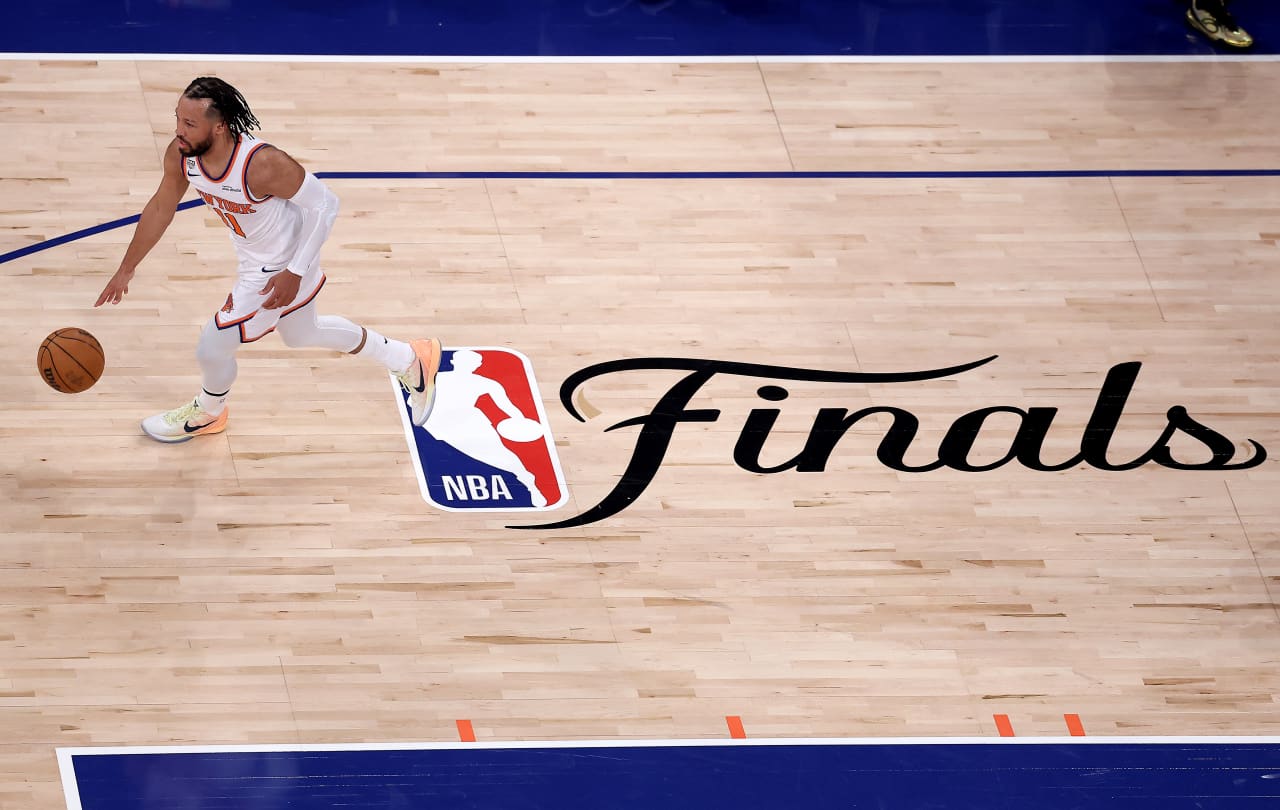
Record viewership for recent major sporting events like the FIFA World Cup and NBA Finals highlights the enduring economic value of live sports in a fragmented media landscape. These events remain powerful drivers of advertising revenue and subscriber engagement for broadcasters and streaming services.
Despite the ongoing shift towards on-demand content, live sports broadcasts continue to demonstrate exceptional viewership resilience and economic value for media companies. Recent record-setting audiences for both the FIFA World Cup and the NBA Finals underscore the enduring appeal of real-time, shared viewing experiences. These events registered significant ratings, highlighting their distinct position in a fragmented media environment where linear television increasingly struggles to attract consistent mass audiences.
The high engagement metrics translate directly into premium advertising revenue and subscriber acquisition for broadcasters and streaming platforms. As consumers gravitate towards personalized content consumption, the 'appointment viewing' nature of major sporting events provides a powerful anchor for traditional television networks and a key differentiator for streaming services investing heavily in sports rights. This trend suggests that the economic model for live sports, centered on exclusive broadcasting rights and associated advertising opportunities, remains robust.
Media executives are increasingly recognizing live sports as their most valuable asset in an era dominated by streaming and on-demand viewing. The ability of these events to draw massive, simultaneous audiences is a rare commodity, commanding higher advertising rates and justifying substantial investments in content acquisition. This strategic focus is expected to intensify, with a greater emphasis on securing premium sports packages to drive both reach and profitability in a competitive media market.
Analyst's Take
The sustained demand for live sports broadcasting rights will likely intensify competition among tech giants and traditional media, potentially inflating content acquisition costs further. This could lead to a 'winner-take-all' dynamic where fewer platforms control premium sports content, driving subscription bundling and consolidation in the streaming space by 2025.


