EnergyOilPrice.comJul 30, 2026· 1 min read
China's Coal Prices Surge Amid Heatwave-Driven Power Demand
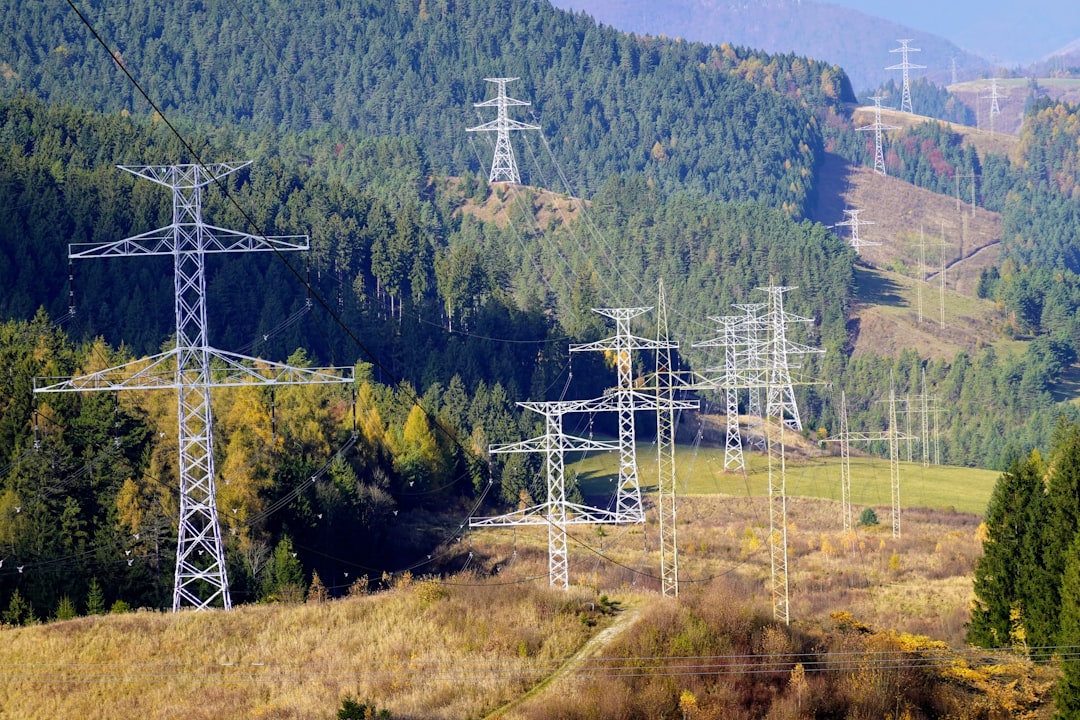
China's coal prices are surging due to intense heatwaves driving increased electricity demand, reversing earlier price slumps. This trend is expected to continue as the peak power consumption season persists, reflecting immediate energy security challenges.
China is experiencing a significant surge in coal demand and prices, driven by widespread heatwaves that are intensifying electricity consumption across the nation. Benchmark spot coal prices at the port of Qinhuangdao have reversed earlier declines and are trending upwards, with expectations for continued increases in the coming weeks. This assessment comes from the China Coal Transportation and Distribution Association, which notes that the peak season for coal-fired power generation is far from over.
The heightened demand is primarily a response to the record high temperatures blanketing most of China, compelling a greater reliance on air conditioning and other cooling systems. This directly translates into increased load on the power grid, necessitating higher thermal coal burn to meet the electricity shortfall.
The reversal in coal prices erases a slump observed earlier in the month, indicating a rapid market response to the sudden and intense demand shock. The persistence of these climatic conditions, compounded by potential long-term weather patterns such as El Niño, suggests sustained upward pressure on coal markets. This situation underscores the immediate challenges China faces in balancing energy security with its transition towards greener energy sources, particularly during periods of extreme weather.
Economically, the rising coal prices could translate into higher input costs for electricity generators, potentially impacting industrial production costs and, ultimately, consumer prices. While the immediate focus is on managing current power demand, the situation highlights underlying vulnerabilities in China's energy supply chain and its dependence on fossil fuels for base-load power during critical periods.
Analyst's Take
While the immediate impact is on electricity generation costs, sustained higher coal prices in China could subtly influence global commodity markets, particularly for industrial metals reliant on energy-intensive production. Furthermore, this seasonal demand shock might accelerate investment discussions around grid modernization and storage solutions, signaling an underappreciated long-term play in infrastructure.