EnergyOilPrice.comJun 4, 2026· 1 min read
US Unveils New Battery Production Line to Boost Grid Storage Innovation
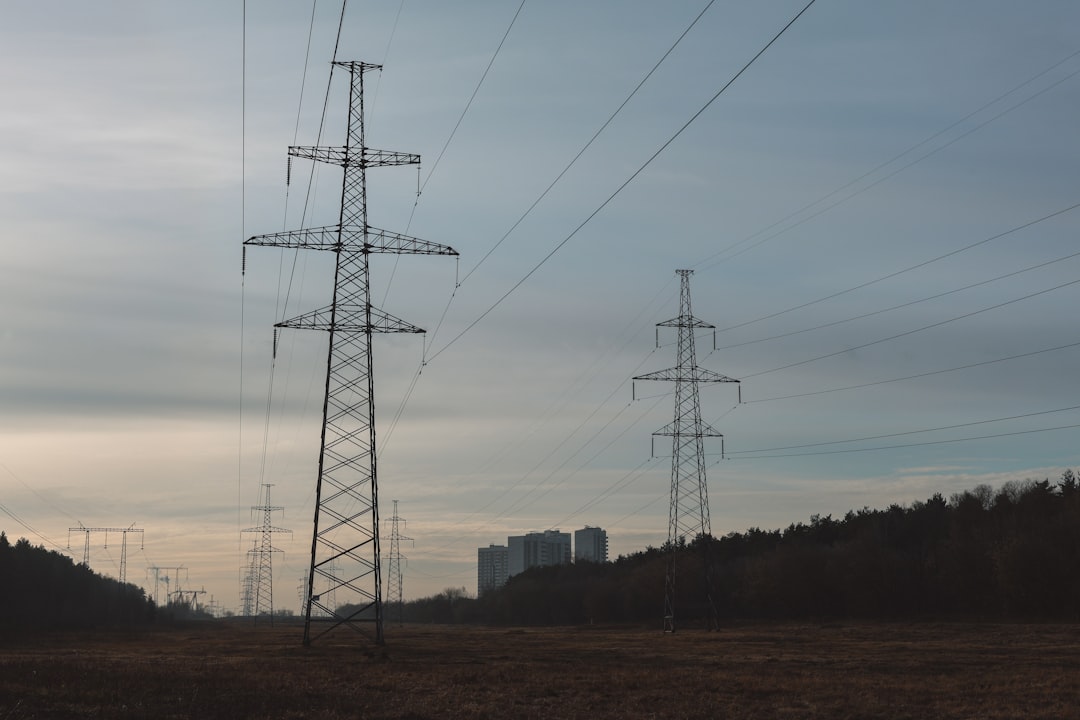
The U.S. Department of Energy has launched a new battery production line at its Pacific Northwest National Laboratory to develop safer and cheaper energy storage technologies for the electric grid. This initiative aims to accelerate research and prototyping of grid-scale batteries, addressing critical needs for renewable energy integration and grid stability.
The United States has activated a new battery production line aimed at advancing safer and more cost-effective energy storage solutions for the national electric grid. Housed within the 93,000-square-foot Grid Storage Launchpad (GSL) at the Department of Energy's (DOE) Pacific Northwest National Laboratory (PNNL) in Richland, Washington State, this facility is designed to accelerate research and development in grid-scale battery technologies.
The newly commissioned production line, spanning 1,400 square feet, integrates 16 pieces of specialized equipment. Its primary function is to facilitate the creation and testing of innovative battery designs, moving them from laboratory concepts to prototype manufacturing. This initiative is critical for overcoming current limitations in grid reliability and renewable energy integration, which are often hampered by the intermittent nature of solar and wind power.
The GSL's broader mission, supported by an $83 million investment, is to serve as a national hub for energy storage research. By providing researchers access to advanced manufacturing and testing capabilities, the facility seeks to streamline the development cycle for new battery chemistries and system designs. The focus on safety and cost reduction is paramount, addressing two significant barriers to widespread adoption of grid-scale energy storage.
Economically, this investment signals a strategic push by the U.S. government to enhance energy independence and bolster the domestic clean energy supply chain. Improved energy storage capabilities are vital for modernizing grid infrastructure, reducing reliance on fossil fuels, and mitigating price volatility in energy markets. The long-term implications include potential job creation in advanced manufacturing and research, alongside a more resilient and sustainable energy system.
Analyst's Take
While seemingly a technical advancement, this investment signals a forward-looking play on long-term electricity market structure, potentially impacting natural gas peaker plant utilization sooner than anticipated as storage costs decline. Watch for increased M&A activity in small-cap energy storage innovators, as this national facility creates a clearer, albeit longer, pipeline to commercialization, subtly shifting capital allocation from traditional power generation to storage infrastructure plays.