MarketsMarketWatchMay 24, 2026· 1 min read
Potential Iran Deal Nears, Could Reopen Strait of Hormuz
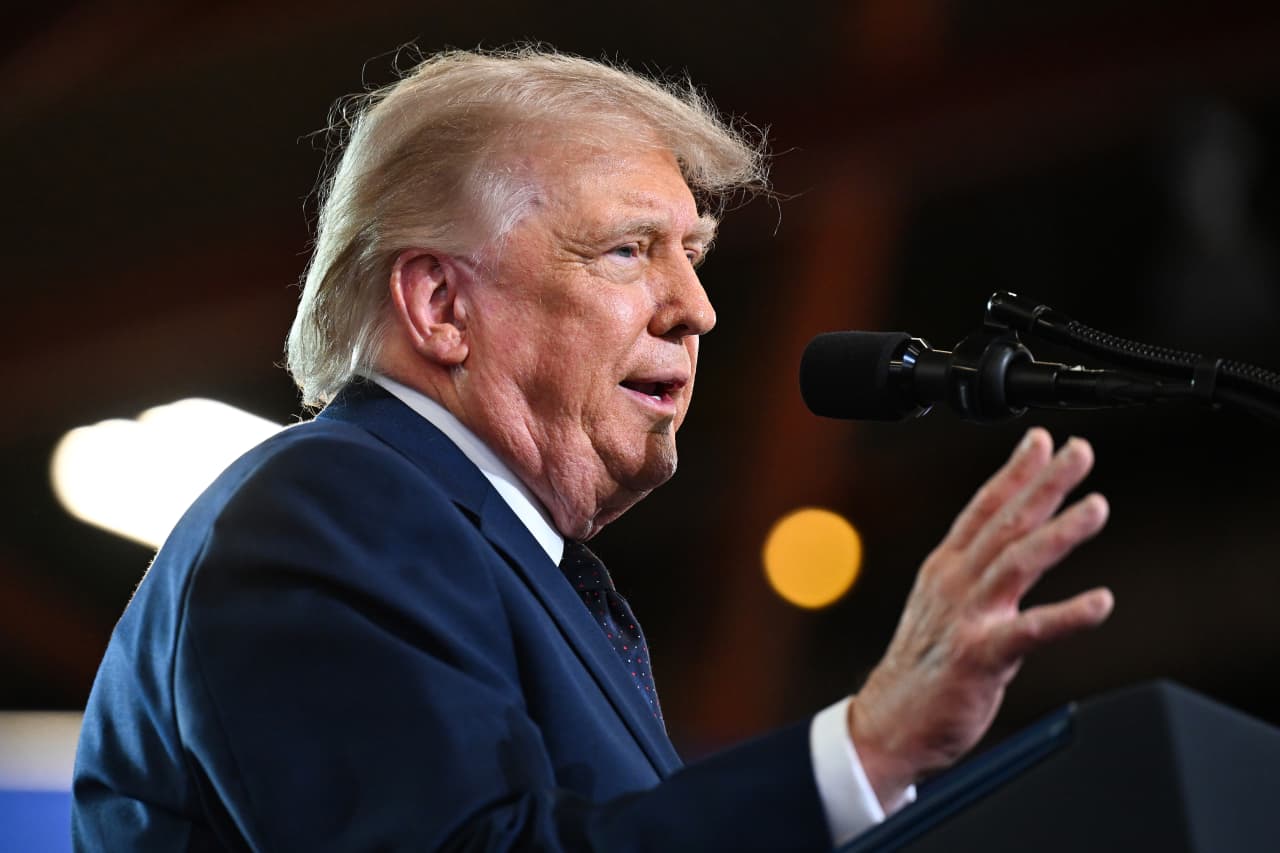
Reports indicate a potential agreement to resolve the conflict with Iran and reopen the Strait of Hormuz is nearing. This development could stabilize global energy markets by reducing geopolitical risk and potentially lowering oil and shipping costs.
Reports suggest the United States is nearing an agreement that could bring an end to the conflict with Iran and facilitate the reopening of the crucial Strait of Hormuz. While former President Trump, speaking on Sunday, indicated no immediate rush, the proximity to a deal carries significant economic implications. The Strait of Hormuz, a narrow waterway between the Persian Gulf and the Gulf of Oman, is a critical chokepoint for global oil shipments. Approximately one-fifth of the world's total petroleum liquids consumption, and a significant portion of global liquefied natural gas (LNG) trade, transits through this strait daily. Its closure or perceived instability has historically led to spikes in oil prices and increased shipping insurance premiums, impacting energy costs worldwide.
A resolution to the conflict and the assured reopening of the Strait would likely introduce greater stability to global energy markets. Reduced geopolitical risk in the region could exert downward pressure on crude oil benchmarks like Brent and WTI, benefiting oil-importing nations and potentially easing inflationary pressures stemming from energy costs. Furthermore, lower shipping costs due to reduced insurance premiums would positively impact global supply chains, affecting a broad range of manufactured goods. The prospect of Iran re-entering global markets, even partially, could also lead to an increase in global oil supply, further contributing to market stability. However, the exact terms and enforcement mechanisms of any agreement will be crucial in determining its long-term economic efficacy and market response.
Analyst's Take
While an Iran deal could initially ease oil prices, the medium-term impact on the global LNG market is equally significant, as a more stable Hormuz could unlock new investment in Gulf LNG projects and alter trade routes, potentially impacting European energy security post-winter. Bond markets might already be pricing in some reduced geopolitical risk premiums, but equity markets, particularly in sectors sensitive to freight costs and energy inputs, may not yet fully reflect the potential margin improvements.


