EnergyOilPrice.comJun 30, 2026· 1 min read
Freshwater Wave Energy Pilot Launches on Lake Michigan Island
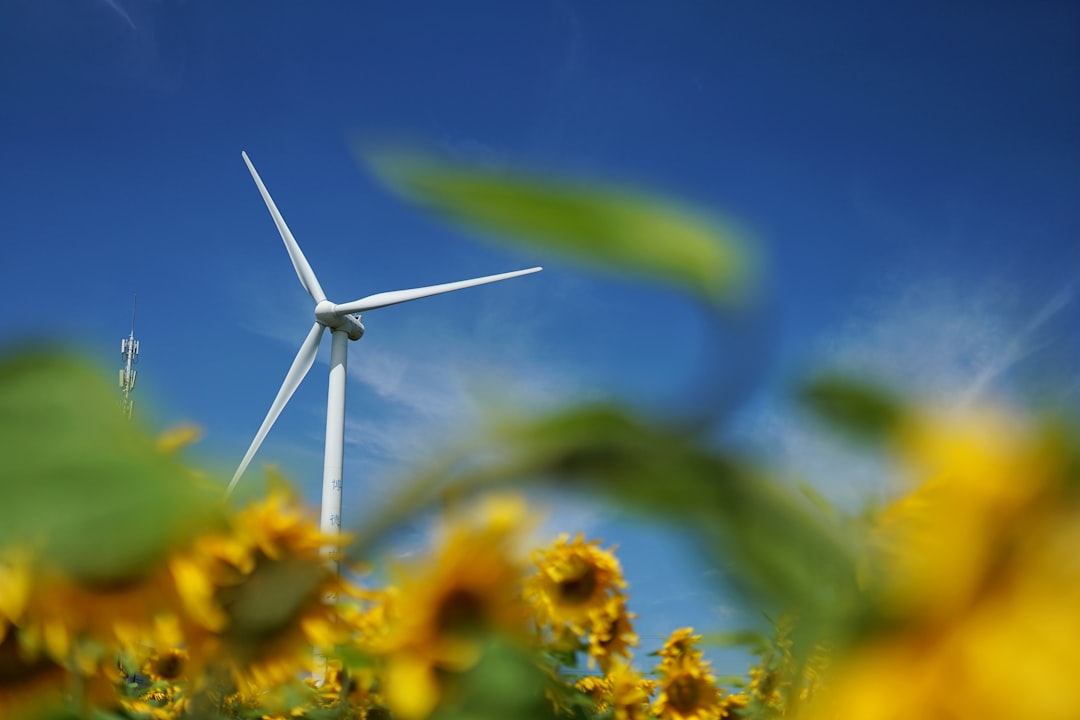
Beaver Island in Lake Michigan is hosting a pilot program for freshwater wave energy, deploying prototype devices to harness hydrokinetic power. This initiative aims to provide reliable clean energy to the remote island and advance the technology for broader application.
Beaver Island in Lake Michigan is emerging as a critical testbed for freshwater wave energy technology. Researchers from the University of Michigan recently deployed prototype hydrokinetic devices along the island's shores, aiming to harness energy from lake waves. This pilot program represents a significant step in developing a nascent clean energy source, with potential implications extending beyond oceanic applications.
The initiative is primarily driven by the need to provide more reliable and sustainable energy to the remote island community. If successful, the project could offer a blueprint for similar isolated or islanded grids globally, reducing reliance on traditional, often more carbon-intensive, power generation methods.
Economically, the development of freshwater wave energy could unlock a new segment within the renewable energy market. While currently in its early stages, successful pilots like Beaver Island's could attract further investment into research and development, potentially leading to scalable solutions. This could create new manufacturing opportunities, specialized labor markets, and foster technological exports in the long term.
From an infrastructure perspective, decentralized energy solutions like wave power can enhance grid resilience, particularly in areas prone to grid disruptions or lacking extensive transmission infrastructure. The project also highlights a broader trend towards diversifying renewable energy portfolios beyond solar and wind, exploring underutilized natural resources for power generation. The economic viability and scalability of these freshwater systems will be key determinants of their future market penetration and impact on regional energy independence.
Analyst's Take
While seemingly niche, the success of freshwater wave energy on Beaver Island could de-risk capital for similar 'bluefield' renewable energy projects in other inland waterways, particularly those supporting remote communities or industrial operations. This could attract specialized private equity, potentially diverting some cleantech investment away from saturated solar/wind markets towards these less conventional, yet potentially high-impact, distributed generation solutions within the next 3-5 years, altering regional energy infrastructure build-out priorities.