MarketsMarketWatchJul 30, 2026· 1 min read
Mortgage Rates Surge to One-Year High Amidst Fed Hold and Market Pressures
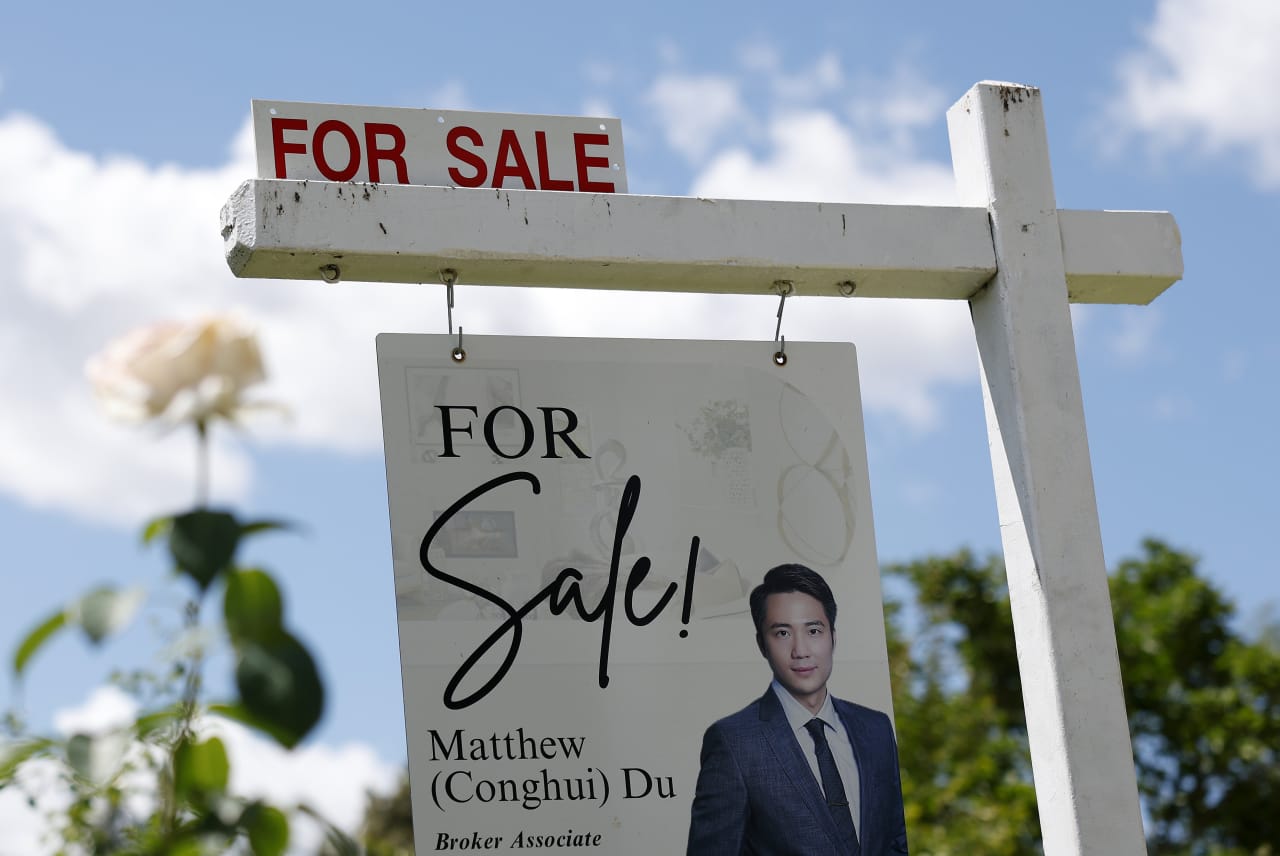
U.S. mortgage rates have risen to a one-year high, driven by market reactions to broader economic and political factors rather than the Federal Reserve's decision to hold its benchmark rate steady. This increase in borrowing costs is set to impact housing affordability and demand, potentially slowing the housing market.
U.S. mortgage rates have reached their highest level in a year, despite the Federal Reserve's decision on Wednesday to maintain its benchmark interest rate. This upward trajectory in borrowing costs is primarily influenced by evolving political and broader economic dynamics, rather than direct central bank action on short-term rates. The 30-year fixed-rate mortgage, a key indicator for the housing market, has seen a notable increase, impacting affordability and demand.
The climb in mortgage rates reflects several factors. While the Fed held the federal funds rate steady, market participants are increasingly pricing in a 'higher for longer' interest rate environment, influenced by persistent inflation concerns and robust economic data. Geopolitical tensions and fiscal policy developments are also contributing to bond market volatility, which directly correlates with long-term mortgage rates.
This sustained upward pressure on mortgage rates poses significant implications for the housing sector and broader consumer spending. Higher borrowing costs are expected to temper housing demand, potentially leading to a slowdown in sales volume and moderating home price appreciation. For prospective homebuyers, monthly mortgage payments will increase, reducing purchasing power and making homeownership less accessible, particularly for first-time buyers.
From an economic perspective, elevated mortgage rates could act as a drag on construction activity and related industries, such as home improvement and furnishing. The ripple effect extends to consumer confidence, as housing wealth often plays a role in household spending decisions. While the Fed's immediate policy move was a pause, the market's response in long-term rates signals a continued tightening of financial conditions, impacting credit-sensitive sectors of the economy.
Analyst's Take
The divergence between the Fed's pause and rising long-term mortgage rates signals increasing market skepticism about the future path of inflation and fiscal sustainability. This could foreshadow a more pronounced slowdown in credit-sensitive sectors beyond housing, as the bond market is effectively tightening financial conditions independently, potentially forcing the Fed's hand towards more hawkish communication if inflation remains sticky.


