MacroBBC BusinessJun 29, 2026· 1 min read
Ford Reinstates Human Engineers After AI Quality Control Shortcomings
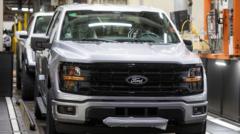
Ford has reinstated human engineers for quality control after its AI systems failed to match the expertise of veteran technicians. This decision highlights the current limitations of AI in complex manufacturing processes requiring nuanced judgment.
Ford Motor Company has reportedly rehired experienced human engineers to oversee quality control, following the discovery that its artificial intelligence (AI) powered systems were unable to consistently match the proficiency of veteran technicians. This development indicates a re-evaluation of AI's current capabilities in critical manufacturing processes, particularly where nuanced judgment and experience are paramount.
The initial shift towards AI-driven quality checks aimed to streamline operations, potentially reduce labor costs, and enhance efficiency in the automotive giant's production lines. However, the subsequent decision to revert to human oversight suggests that the AI systems struggled to identify subtle defects or assess intricate quality parameters with the same accuracy and discernment as their human counterparts.
This move by Ford highlights a broader discussion within the manufacturing sector regarding the practical limitations and effective integration of AI into complex industrial environments. While AI offers significant potential for automation and data analysis, its deployment in tasks requiring high levels of precision, qualitative assessment, and adaptability remains a challenge. The financial implications for Ford could include the costs associated with initial AI system implementation, subsequent re-staffing, and potential delays or quality issues identified during the AI's operational period. For the wider industry, this serves as a cautionary tale, emphasizing the need for rigorous validation and a nuanced understanding of AI's strengths and weaknesses before fully automating critical functions.
Analyst's Take
This development suggests a potential increase in labor costs for early AI adopters in manufacturing, as companies may need to maintain human oversight or even re-hire specialists to compensate for AI's current deficiencies. It also implies a tempering of expectations for rapid, complete automation across critical functions, possibly leading to a more cautious capital expenditure allocation towards advanced robotics and AI in the short to medium term.

