MarketsMarketWatchJun 18, 2026· 1 min read
US Gasoline Prices Dip Below $4, Offering Slight Inflation Relief
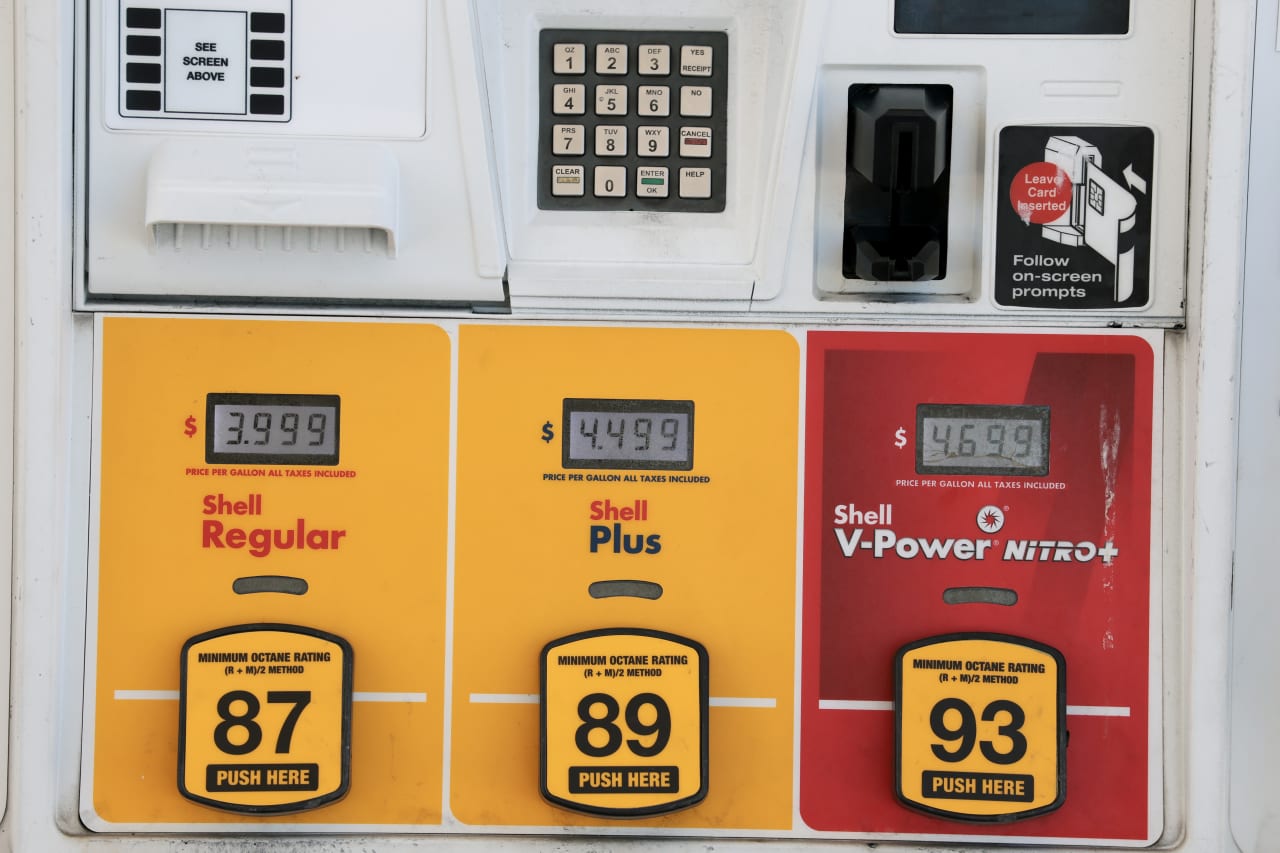
U.S. average gasoline prices have officially dipped below $4 per gallon, settling at $3.999. This minor decline offers a slight psychological and economic reprieve amidst broader inflation concerns, potentially impacting consumer spending and business operational costs.
Average U.S. gasoline prices have officially fallen below the $4 per gallon threshold, marking a modest but psychologically significant milestone for consumers. The national average stood at $3.999 per gallon, a minimal decline that nonetheless ends a prolonged period of prices above this level. This dip reflects a combination of factors, including softening crude oil prices and a potential tempering of demand.
The decline, though slight, offers a marginal reprieve for household budgets grappling with persistent inflationary pressures across various sectors. For businesses reliant on transportation, such as logistics and retail, lower fuel costs could translate into minor operational expense reductions, potentially influencing pricing strategies in the coming weeks.
From a macroeconomic perspective, sustained reductions in energy costs are a key component in alleviating broader inflation. While this specific dip is incremental, it contributes to the narrative of potentially moderating price increases. The Federal Reserve closely monitors energy prices as a volatile but impactful element of the Consumer Price Index (CPI). A continued downward trend in gasoline prices could provide some breathing room for monetary policymakers, although the overall inflation picture remains complex.
Analysts will be watching closely to see if this trend continues, particularly as summer driving demand typically subsides and global oil supply dynamics evolve. Any further significant declines could meaningfully impact consumer spending patterns and contribute to a more benign inflation outlook, while a rapid rebound would renew cost pressures.
Analyst's Take
While the immediate impact on inflation is negligible, this symbolic threshold breach could influence consumer sentiment, potentially dampening inflation expectations more than the actual price drop warrants. Furthermore, it might signal a slight easing in crude demand, a leading indicator worth watching for broader economic slowdowns, potentially mispriced by equity markets still anticipating a soft landing.


