MarketsMarketWatchJun 6, 2026· 1 min read
US Commercial Crude Inventories Edge Lower Amid Geopolitical Tensions
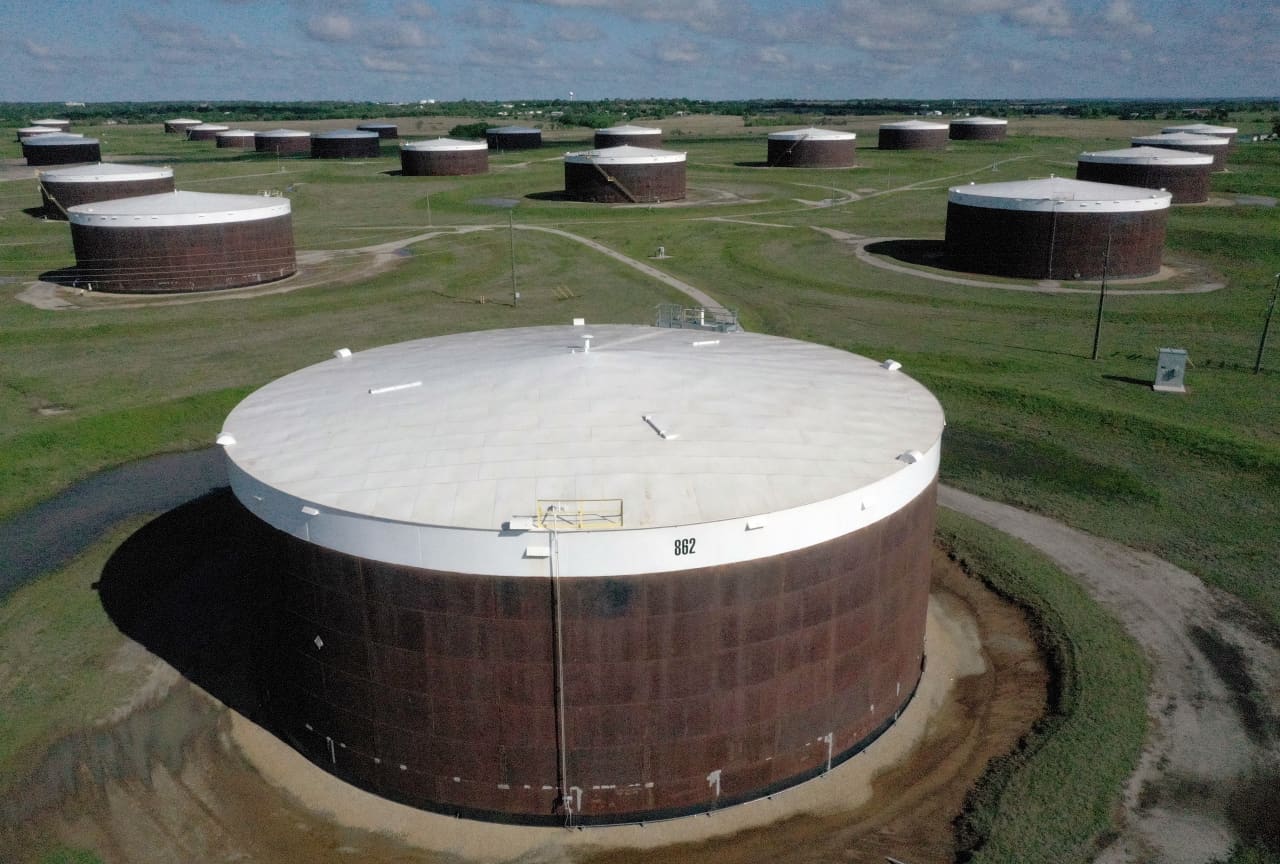
U.S. commercial crude oil inventories are reportedly at dangerously low levels, a situation compounded by the protracted four-month conflict involving Iran. This geopolitical tension maintains a significant risk premium on oil markets, increasing vulnerability to supply shocks and potentially impacting broader economic indicators like inflation.
U.S. commercial crude oil inventories are approaching critically low levels, a situation exacerbated by the ongoing four-month conflict involving Iran. This sustained geopolitical instability in a key oil-producing region is preventing a resolution to what would typically be a supply-side adjustment.
Historically, low inventory levels often signal robust demand or constrained supply, frequently leading to upward pressure on crude prices. However, the current scenario introduces a significant risk premium due to the protracted nature of the conflict. While exact inventory figures were not provided, the characterization as 'perilously low' suggests a reduced buffer against potential supply disruptions, which could have ripple effects across the global energy market.
The economic implications extend beyond immediate crude prices. Sustained higher energy costs can impact inflation, potentially influencing central bank monetary policy decisions and consumer spending patterns. Industries reliant on petroleum products, from transportation to manufacturing, face increased operational costs, which may be passed on to consumers or erode profit margins.
The duration of the conflict remains a pivotal unknown. A prolonged situation could further deplete strategic reserves or necessitate greater reliance on alternative sources, potentially straining global supply chains and increasing price volatility. Conversely, a swift resolution, while currently unforeseen, could ease supply concerns and temper price expectations, though the market would still need to rebalance from the accumulated risk premium.
Analyst's Take
The market appears to be underpricing the duration and broadening scope of the geopolitical risk premium. While immediate attention is on crude inventories, the persistent conflict could accelerate the transition towards alternative energy sources in energy-intensive industries, a second-order effect that may dampen future oil demand growth despite current supply concerns. Furthermore, the sustained instability could subtly shift capital allocation away from traditional energy infrastructure towards resilience and diversification, potentially visible in mid-cap energy equity performance relative to major integrated producers.


