MarketsMarketWatchMay 21, 2026· 1 min read
Global Generic GLP-1 Access Expands, U.S. Lags
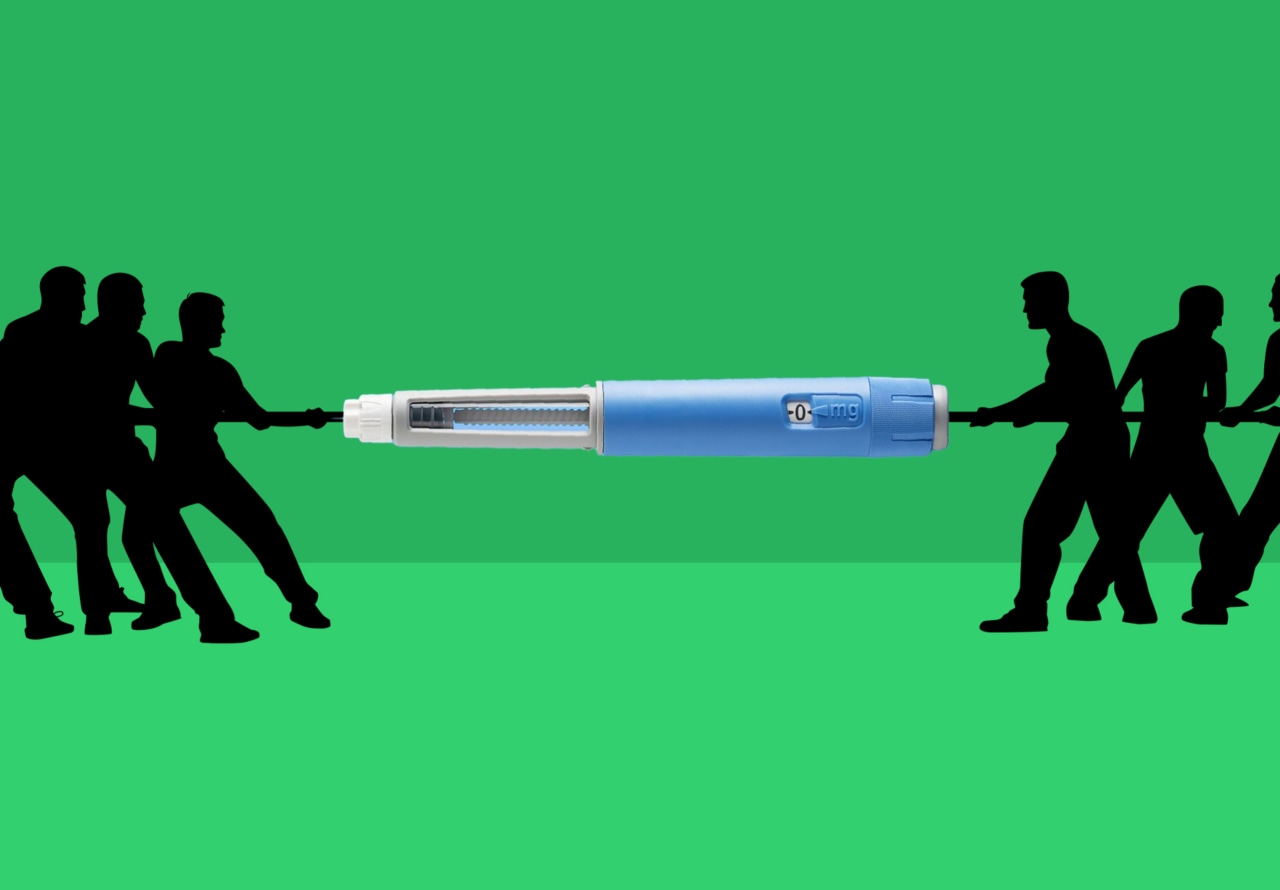
Generic versions of GLP-1 receptor agonists are becoming available in countries like Canada and India, offering treatments for as little as $15 monthly. This development provides significant cost relief for healthcare systems and expands access for 40% of the global population, while the U.S. remains without generic options due to patent protections.
The availability of generic versions of GLP-1 receptor agonists, including semaglutide (Ozempic/Wegovy), is rapidly expanding globally, with Canada and India leading the charge. Projections indicate that countries representing 40% of the world's population will gain access to these lower-cost alternatives within the next year, potentially priced as low as $15 per month. This widespread availability contrasts sharply with the United States, where patent protections continue to prevent the introduction of generic GLP-1s.
The economic implications of this global shift are substantial. For healthcare systems in countries with generic access, significant cost savings are anticipated. The current high prices of branded GLP-1s in the U.S. and other markets place a considerable burden on public and private insurers. The introduction of generics could democratize access to these highly effective treatments for chronic conditions such as type 2 diabetes and obesity, potentially improving public health outcomes and reducing long-term healthcare expenditures in these regions.
From a pharmaceutical industry perspective, the rise of generics represents a challenge to the market dominance of patent-holding companies. While branded manufacturers will continue to benefit from protected markets like the U.S. for an extended period, the global generic expansion signals a future landscape of increased competition and price pressure. This disparity in market access and pricing strategies highlights the varying regulatory and patent environments across different nations, directly impacting drug affordability and availability on a global scale. The lack of generic options in the U.S. also raises questions about healthcare equity and the financial strain on American consumers and payers compared to their counterparts in countries with generic access.
Analyst's Take
The global proliferation of generic GLP-1s, absent in the U.S., will likely exacerbate medical tourism for these drugs, particularly to Canada and Mexico, potentially creating a grey market for importation into the U.S. This could pressure U.S. policymakers and payers to seek innovative solutions or negotiate more aggressively for branded drug pricing, even before patent expiry, to mitigate outflows of healthcare spending and maintain domestic access.


