MacroBBC BusinessJul 26, 2026· 1 min read
Primark Adopts Supermarket Model Amidst E-commerce and Cost-of-Living Pressures
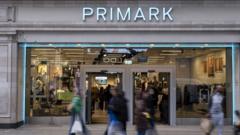
Primark is reportedly adopting a 'supermarket tactic' to combat competition from ultra-cheap Chinese online retailers and the ongoing cost-of-living crisis. This strategic shift aims to optimize in-store experiences and potentially increase sales amidst challenging retail conditions.
Primark, the UK-based fast-fashion retailer, is reportedly adopting a 'supermarket tactic' in its retail strategy to counter intense competition from online ultra-low-cost Chinese retailers and persistent cost-of-living pressures affecting consumer spending. This strategic pivot comes as analysts observe a potential deterrent to in-store foot traffic and sales, signaling a challenging environment for traditional brick-and-mortar fashion outlets.
The shift in strategy suggests Primark is seeking to optimize customer flow and purchasing habits, drawing parallels to the operational efficiencies and consumer psychology employed by grocery chains. While specific details of the 'supermarket tactic' are not yet fully disclosed, it likely involves enhancing the in-store experience, potentially through layout adjustments, merchandising techniques, or promotional strategies designed to encourage larger basket sizes or more frequent visits. This move could be interpreted as an attempt to leverage the tangible advantages of physical retail over purely online competitors, such as immediate product availability and the experiential aspect of shopping.
The economic implications of this adaptation are noteworthy. It underscores the broader structural shifts occurring in the retail sector, driven by technological advancements in e-commerce and a challenging macroeconomic backdrop characterized by elevated inflation and reduced discretionary income for many households. For Primark, a retailer historically reliant on high footfall and rapid inventory turnover, navigating these headwinds necessitates a re-evaluation of its core operational model. The success of this strategy could provide insights for other traditional retailers grappling with similar market dynamics, particularly those without a robust online transactional presence.
Analyst's Take
This strategic pivot by Primark, a bastion of physical fast fashion, signals the escalating pressure on traditional retailers to innovate beyond basic brick-and-mortar operations. While seemingly a defensive move, it may foreshadow a broader convergence of retail strategies where physical stores, even non-food ones, increasingly mimic grocery-style efficiency and convenience to survive the e-commerce onslaught and persistent inflation-driven consumer prudence.

