MarketsMarketWatchJul 13, 2026· 1 min read
Waller Signals Potential Rate Hike Amid Persistent Inflation Concerns
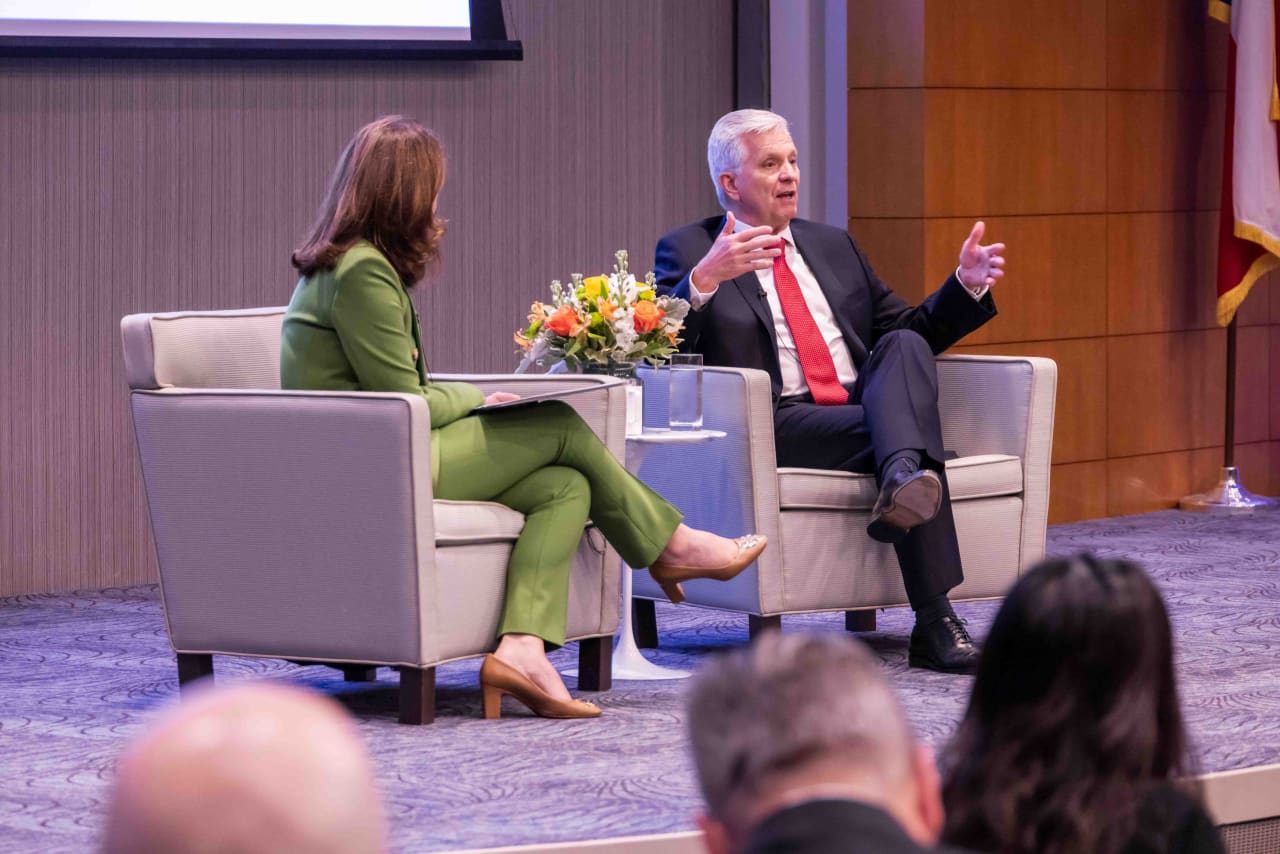
Federal Reserve Governor Christopher Waller stated that a strong inflation reading this week could trigger another interest rate hike, highlighting internal Fed divisions on future monetary policy. Such a move would impact borrowing costs and economic growth, underscoring the critical importance of upcoming inflation data.
A prominent Federal Reserve official, Governor Christopher Waller, indicated this week that a significant 'hot' inflation reading could necessitate another interest rate hike. Waller's comments underscore ongoing divisions within the Federal Open Market Committee (FOMC) regarding the appropriate path for monetary policy, particularly as inflation remains a key concern. While the Fed has maintained a cautious stance, opting to hold rates steady at recent meetings, Waller's remarks suggest that a robust inflationary print could quickly shift the consensus.
The prospect of further tightening comes as the U.S. economy navigates a period of both resilient growth and persistent price pressures. Market participants are closely monitoring upcoming inflation data, particularly the Consumer Price Index (CPI), for signs of whether disinflationary trends are firmly established or if price growth is re-accelerating. An unexpected uptick in inflation would challenge the Fed's current 'higher for longer' rhetoric and could force the central bank to re-evaluate its pause on rate increases.
Such a move would have significant implications for borrowing costs across the economy, affecting everything from mortgage rates to corporate investment decisions. Businesses reliant on debt financing could face increased expenses, potentially dampening expansion plans. Conversely, a rate hike would signal the Fed's commitment to its 2% inflation target, potentially bolstering the long-term credibility of monetary policy. However, it also carries the risk of overtightening, which could inadvertently slow economic activity more than intended, increasing recessionary fears.
Analyst's Take
The market may be underpricing the asymmetry of the Fed's reaction function; while a 'hot' inflation print is clearly flagged for a hike, a merely 'inline' or slightly softer reading may not immediately trigger cuts, extending the 'higher for longer' period beyond current consensus. This implies potential stress on corporate debt refinancing in late 2024 and early 2025, which could manifest as an uptick in credit defaults even if a hard landing is avoided.


