MarketsMarketWatchMay 19, 2026· 1 min read
Automotive Maintenance Costs Surge, Impacting Consumer Spending and Durability
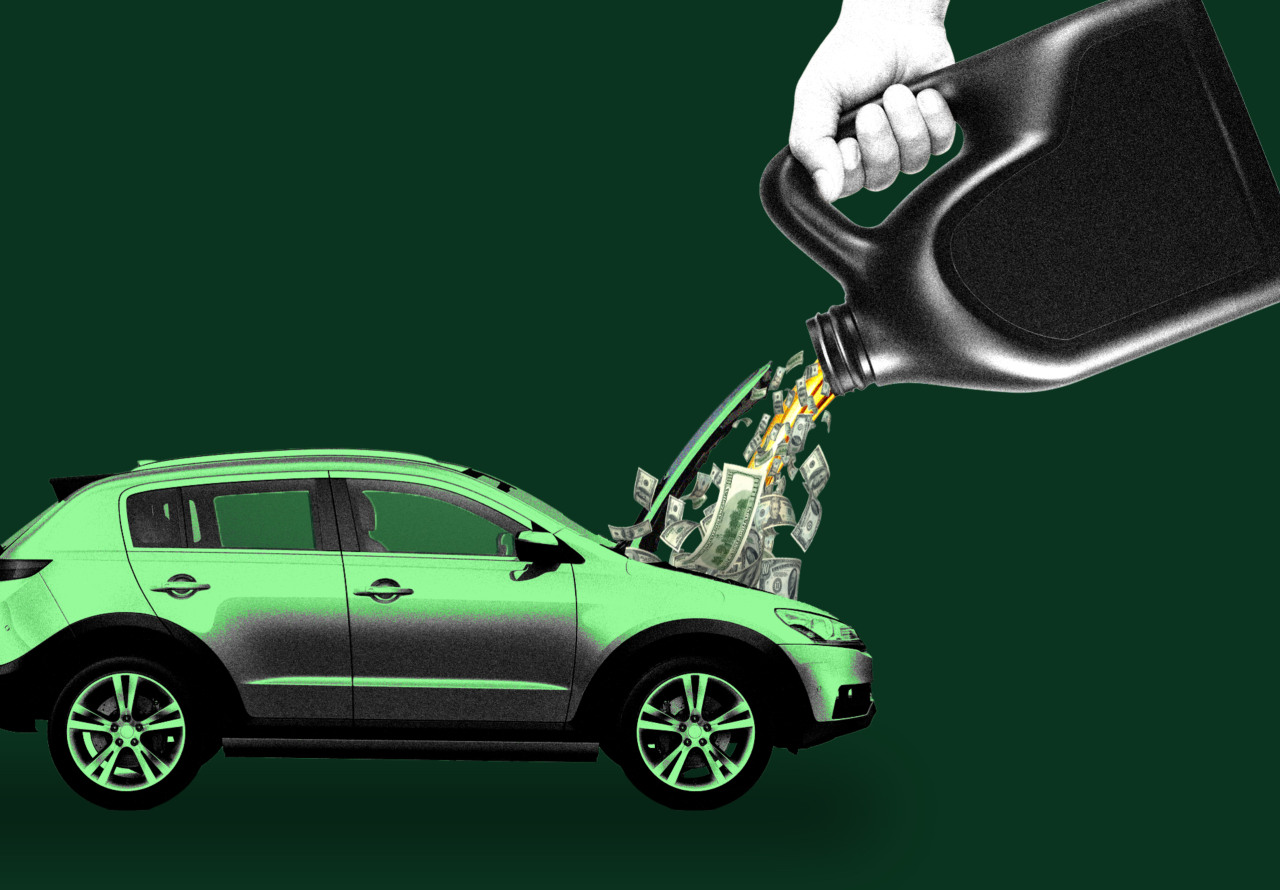
Automotive maintenance costs are set to rise significantly, with oil changes potentially reaching $120, driven by increased labor expenses, technician shortages, and higher parts costs due to supply chain issues and vehicle complexity. This surge in expenses will impact consumer spending and could lead to delayed vehicle maintenance, potentially shortening vehicle lifespans and increasing future repair costs.
The cost of automotive maintenance is projected to increase significantly, with basic services like oil changes potentially reaching $120. This upward trend is driven by several factors impacting the automotive service industry.
Rising labor costs are a primary contributor. The shortage of skilled automotive technicians, coupled with inflationary pressures, is pushing wages higher across the sector. This directly translates to increased charges for consumers as service centers pass on these elevated operational expenses. Furthermore, the growing complexity of modern vehicles, which often incorporate advanced sensors and specialized lubricants, necessitates more sophisticated tools and training for technicians, further adding to the cost of parts and labor.
Supply chain disruptions, although easing in some areas, continue to affect the availability and pricing of automotive parts and fluids. Manufacturers face higher input costs for raw materials, and transportation expenses remain elevated, contributing to a higher retail price for essential components and consumables like engine oil, filters, and other replacement parts.
For consumers, these rising costs present a dilemma. While delaying or skipping routine maintenance can lead to more severe and expensive repairs down the line, the immediate financial burden of higher service charges may prompt some drivers to postpone necessary upkeep. This shift in consumer behavior could have broader implications for vehicle longevity and safety, potentially accelerating vehicle depreciation and increasing the demand for pre-owned parts or DIY repairs, with varying degrees of success and risk.
From an economic perspective, the increased expenditure on car maintenance will absorb a larger portion of household budgets, potentially diverting discretionary spending from other sectors. For businesses, particularly those reliant on transportation and fleet management, these higher operational costs will directly impact their bottom line, potentially leading to price adjustments for services or goods, thereby feeding into broader inflationary pressures.
Analyst's Take
While the immediate impact is on consumer budgets, the long-term effect of delayed maintenance could be an acceleration in the depreciation curve for the existing car fleet, potentially boosting demand for new vehicles sooner than anticipated. This might create a ripple effect, increasing new car sales and indirectly benefiting auto manufacturers and financing sectors, even as the service industry grapples with labor and input costs.


