MarketsMarketWatchMay 4, 2026· 1 min read
Amazon's Shipping Expansion: A Measured Threat to Logistics Giants
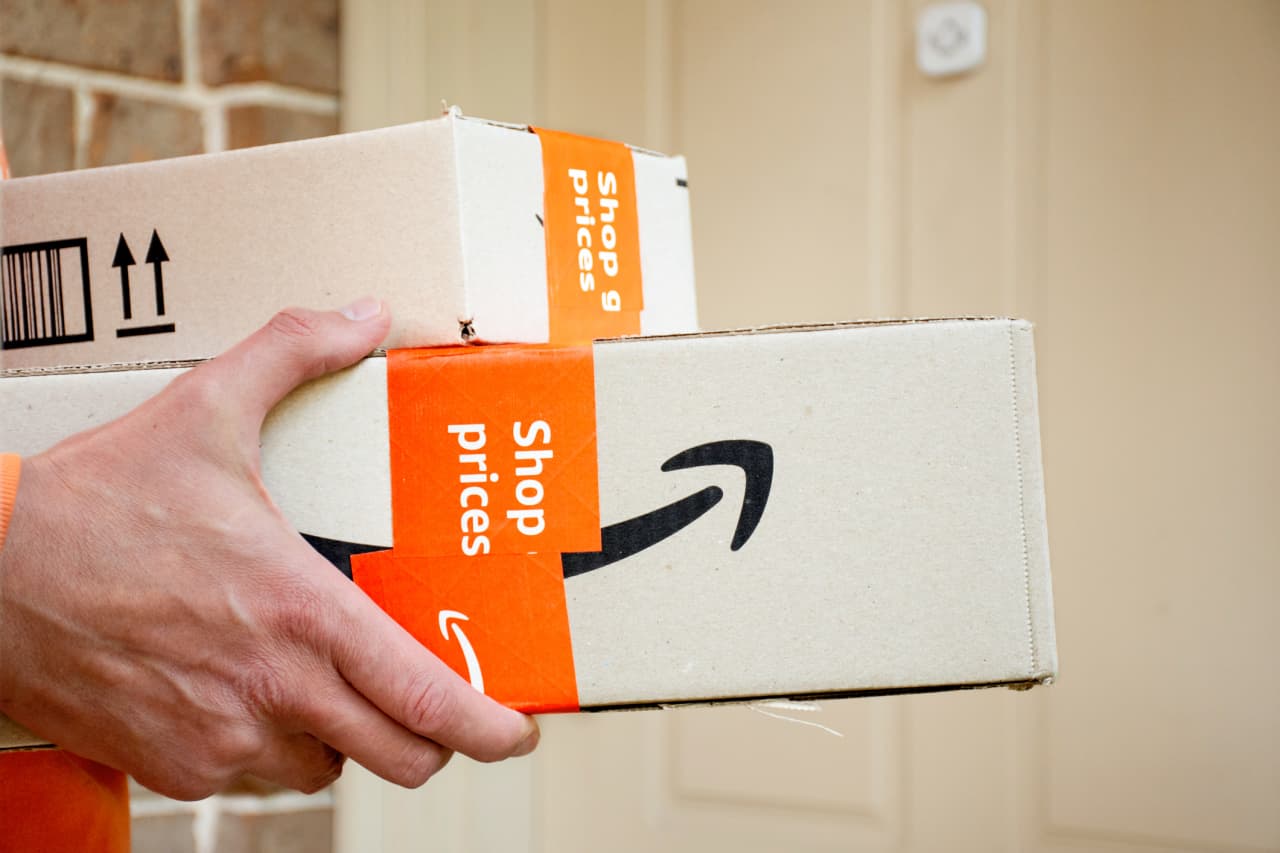
Amazon's new 'Shipping with Amazon' service is pressuring FedEx and UPS shares, though analysts suggest its immediate disruptive impact may be limited. The service currently focuses on last-mile delivery for Amazon merchants, contrasting with the incumbents' extensive global logistics and B2B capabilities.
Amazon's recent expansion into third-party shipping services, dubbed 'Shipping with Amazon' (SWA), has prompted a downturn in shares for established logistics leaders FedEx and UPS. While the market initially reacted with concern over potential disruption, some analysts are cautioning against overstating the immediate impact.
SWA's current scope is limited to merchants selling on Amazon's platform, primarily focusing on last-mile delivery. This contrasts with the broad spectrum of services offered by FedEx and UPS, which include extensive air cargo networks, international shipping, freight forwarding, and a diverse clientele spanning various industries beyond e-commerce. The core competency of these incumbents lies in their vast infrastructure, global reach, and robust supply chain solutions catering to complex business needs, from small parcels to large-scale freight.
While Amazon's entry introduces new competition, its existing shipping infrastructure is primarily geared towards fulfilling its own burgeoning e-commerce orders. Scaling this capability to reliably serve a wide array of external merchants, particularly those with demanding logistical requirements or international shipping needs, presents significant operational and capital expenditure challenges. Furthermore, regulatory hurdles, labor negotiations, and the inherent complexities of managing a multi-faceted global logistics network are substantial barriers to rapid market penetration.
Analysts suggest that Amazon's move is more likely to optimize its own fulfillment costs and provide a competitive alternative for its marketplace sellers, rather than immediately displacing the established market share of FedEx and UPS. The long-term implications will hinge on Amazon's willingness and ability to invest heavily in expanding its network beyond its current e-commerce ecosystem, venturing into more complex B2B logistics services.
Analyst's Take
While the market focuses on immediate competitive pressure, the real long-term implication is Amazon's increasing leverage over its marketplace sellers, potentially turning logistics into another 'tax' on e-commerce. This could also drive further vertical integration for larger retailers, potentially leading to a more fractured, less efficient freight market for smaller businesses unable to negotiate favorable terms.


