MarketsMarketWatchMay 26, 2026· 1 min read
Oil Prices Dip on Iran Deal Hopes, Easing Supply Concerns
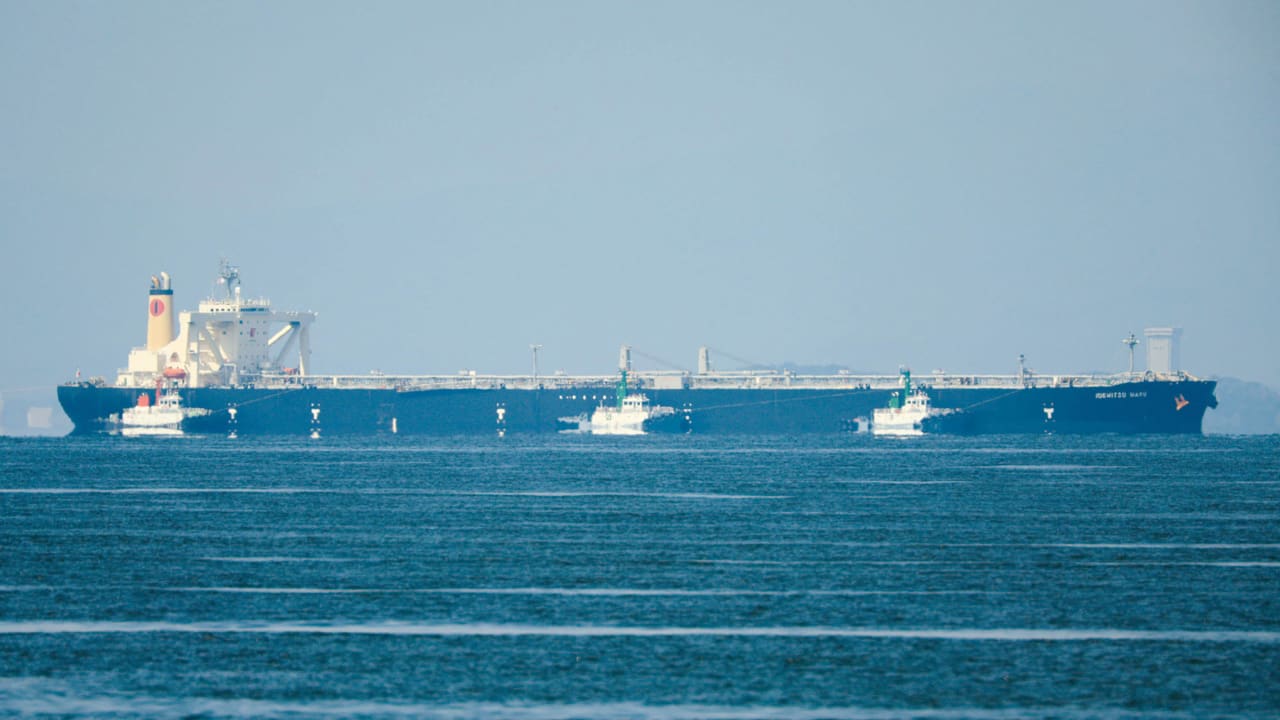
U.S. oil prices, represented by the WTI July contract, fell after President Trump reported positive progress in negotiations with Iran. This decline signals market anticipation that a potential peace deal could soon reintroduce Iranian crude oil into global supplies, easing supply-side concerns.
West Texas Intermediate (WTI) crude oil futures for July delivery saw a decline on Tuesday following comments from President Donald Trump, indicating that negotiations with Iran were "proceeding nicely." The benchmark U.S. crude contract reacted to the increased likelihood of a peace deal, which could lead to a significant reintroduction of Iranian oil supplies into the global market.
Analysts closely monitor geopolitical developments in the Middle East due to their direct impact on global energy supply and pricing. A successful resolution with Iran would likely ease sanctions, allowing the country to ramp up its oil production and exports. This additional supply, particularly from a major producer like Iran, would contribute to a better-supplied global market, potentially offsetting existing demand and supply dynamics.
Historically, any prospect of increased supply from key OPEC members or other major producers tends to exert downward pressure on oil prices. Conversely, geopolitical tensions or supply disruptions typically drive prices higher. The market's immediate reaction reflects the expectation that a substantial volume of crude oil could become available, mitigating concerns about future supply constraints and global inventory levels. While the extent of future supply increase and the timeline for its integration remain speculative, the initial market response indicates a belief that a diplomatic breakthrough could materially alter the energy supply landscape.
Analyst's Take
While immediate oil price reactions are tied to potential supply increases, the longer-term implications extend to global energy transition investments. A sustained period of lower oil prices, driven by increased supply or demand shifts, could challenge the economic viability of certain high-cost extraction projects and accelerate the shift towards renewable energy alternatives, potentially altering long-term capital allocation in the energy sector.


