MarketsSMH BusinessApr 22, 2026· 1 min read
BHP Resolves Pricing Dispute, China's $93B Iron Ore Leverage Endures
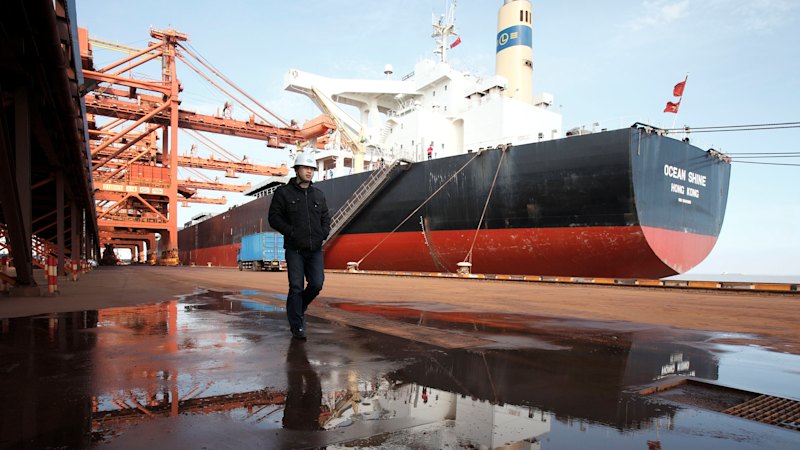
A nine-month iron ore pricing dispute between BHP and Chinese buyers has concluded, with BHP reportedly securing favorable terms. Despite this resolution, China's $93 billion annual iron ore import market continues to exert significant strategic leverage over global pricing and supply dynamics.
A significant nine-month pricing standoff in the global iron ore market has concluded, involving Australian mining giant BHP and key Chinese buyers. While specific details of the resolution remain undisclosed, reports indicate that BHP has successfully navigated the dispute, securing terms that are largely favorable to the company.
The protracted negotiations carried substantial economic implications. For BHP, the outcome directly impacts its revenue streams and profitability. For the broader Australian mining sector and the national economy, which heavily relies on iron ore exports, the resolution provides a degree of stability after a period of uncertainty. Iron ore remains Australia's most valuable export commodity, making pricing stability crucial for national economic health.
However, this resolution does not diminish China's formidable and enduring influence in the iron ore market. As the world's largest steel producer and primary consumer of seaborne iron ore, Beijing's purchasing power is immense. Its strategic market 'flex' is underscored by an estimated $93 billion annual commitment to global iron ore imports. This considerable financial leverage allows China to continuously shape pricing and supply dynamics, often pursuing strategies to diversify its supply chain and enhance domestic production capacity to reduce reliance on any single supplier.
Therefore, while BHP has secured an immediate victory in this particular pricing battle, the fundamental power dynamic in the global iron ore trade—characterized by China's massive demand and strategic market interventions—is set to continue. This ongoing tension will likely define future negotiations and market developments.


