MarketsMarketWatchMay 19, 2026· 1 min read
Global Oil Trade Routes Divert Amidst Hormuz Disruptions
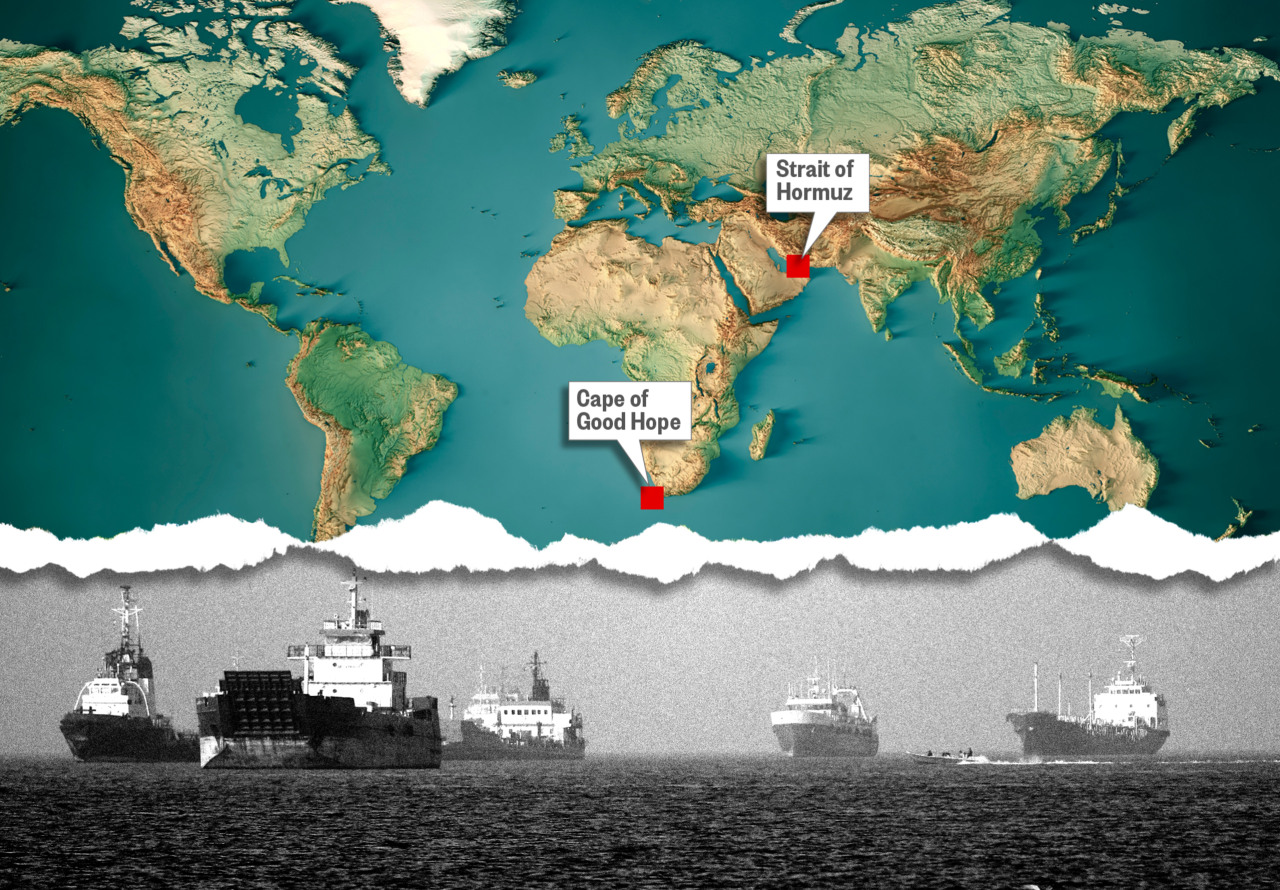
Near-standstill conditions at the Strait of Hormuz are forcing a significant rerouting of global crude oil and refined product shipments. This disruption is compelling nations to utilize alternative, longer trade routes, leading to increased transit times and potentially higher freight costs for energy products.
The Strait of Hormuz, a critical chokepoint for global oil shipments, is experiencing near-standstill conditions, compelling nations to reroute their energy supplies. Historically a conduit for a significant portion of the world's crude oil and refined products, its reduced throughput is forcing a realignment of international shipping lanes. Countries dependent on Middle Eastern oil are now securing their energy needs through alternative, longer, and less frequently utilized maritime pathways.
This shift is leading to increased transit times and potentially higher freight costs for crude oil and petroleum products. The logistical challenges extend beyond simple distance, encompassing availability of suitable tankers, insurance premiums for altered routes, and port infrastructure capacity at new destinations. While specific trade volumes through Hormuz were not detailed, the market response indicates a substantial re-evaluation of supply chain resilience.
The economic implications are multifaceted. For importing nations, the immediate impact could be upward pressure on domestic energy prices due to elevated shipping expenses. Energy-intensive industries may face higher operational costs, potentially feeding into broader inflationary pressures. For shipping companies, this scenario presents both challenges and opportunities: while operational complexities rise, demand for long-haul routes could boost charter rates.
Producers, particularly those in the Middle East, are adjusting their logistics to accommodate the new trading environment, potentially seeking to diversify their export hubs or optimize existing alternative pipelines where feasible. The long-term ramifications could include increased investment in pipeline infrastructure that bypasses chokepoints, and a strategic re-evaluation by major energy consumers regarding the geographical diversification of their crude oil sources to mitigate future supply disruptions.
Analyst's Take
While the immediate market reaction focuses on increased shipping costs and potential price hikes, the long-term implication is a subtle acceleration in the strategic diversification of crude sourcing away from singular chokepoints. This could manifest in increased investment in African or South American oil infrastructure, and a gradual reduction in the geopolitical premium embedded in Middle Eastern crude, even if the Hormuz situation stabilizes.


