MarketsMarketWatchJun 1, 2026· 1 min read
Micron Surges Past $1,000, Analysts Project Further Gains Amid Favorable Market
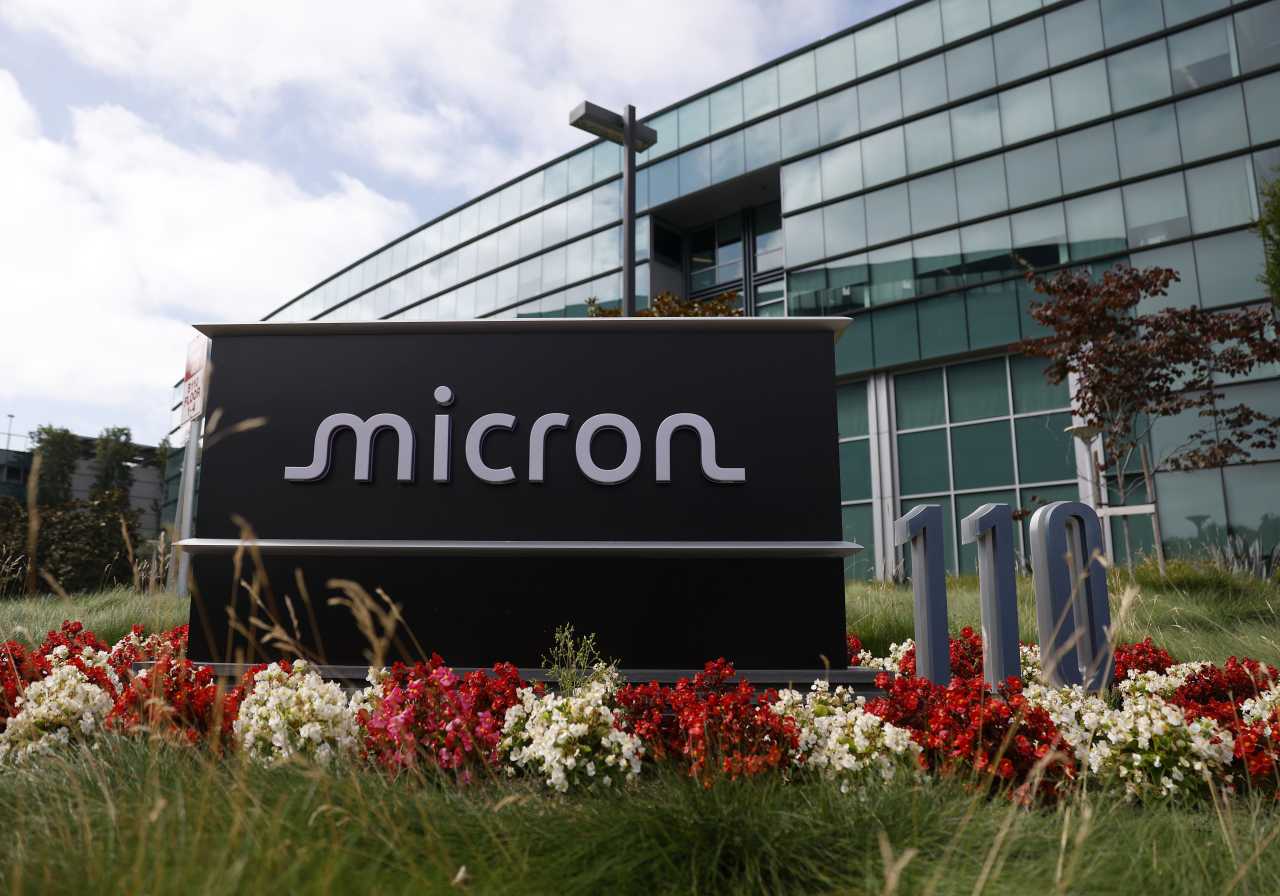
Micron Technology's stock has surpassed $1,000, with analysts predicting further gains due to a strong pricing environment and limited competition. The introduction of new Nvidia chips is also expected to bolster demand for Micron's memory products.
Micron Technology (MU) has seen its stock price climb above the $1,000 mark, with Wall Street analysts forecasting continued upside. The semiconductor manufacturer is benefiting from a confluence of positive market dynamics, primarily a robust pricing environment for memory chips. This favorable pricing is partly attributed to constrained supply and strong demand across various end markets.
Adding to Micron's bullish outlook is a relatively low level of competition within certain segments of the memory chip industry, allowing the company to capture a larger share of market value. Furthermore, the anticipated release and adoption of new chip designs from industry leader Nvidia are expected to create significant demand tailwinds for Micron's products. Nvidia's advanced chips often require high-performance memory solutions, positioning Micron as a key beneficiary of this technological progression.
Analysts are factoring these elements into their revised price targets and ratings, suggesting that Micron's current valuation does not fully capture its future earnings potential. The interplay of strong pricing power, limited competitive pressures, and demand stimulation from new high-tech product cycles underpins the optimistic sentiment surrounding the company's financial trajectory. Investors are evaluating how these macro and micro-economic factors will translate into Micron's upcoming earnings reports and long-term market position.
Analyst's Take
While Micron's immediate gains are tied to current demand and pricing, the more significant signal lies in the potential for sustained CAPEX expansion across the semiconductor industry, driven by AI compute needs. This suggests a longer-term cycle of infrastructure build-out that could absorb eventual memory oversupply, but also risks overinvestment if AI adoption rates fail to meet optimistic projections, potentially manifesting in commodity DRAM prices by late 2025.


