MarketsEconomic TimesJul 9, 2026· 1 min read
Fed Holds Rates Steady Amid Persistent Inflation Worries
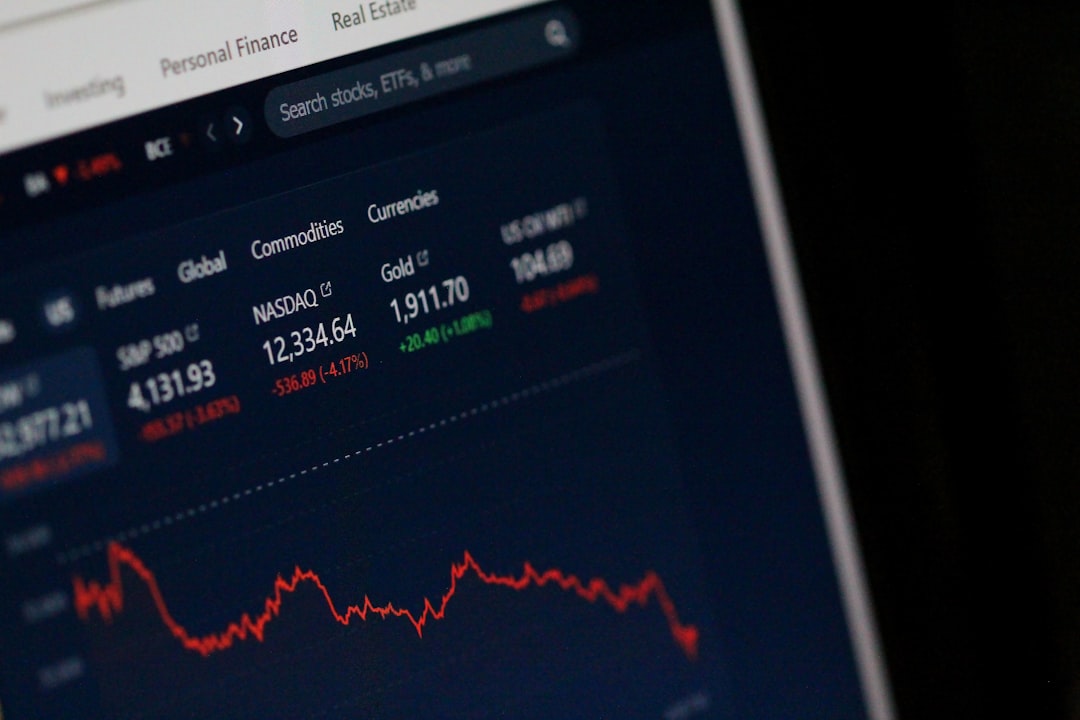
The Federal Reserve maintained interest rates at its June meeting, citing ongoing inflation concerns and supply chain issues despite robust Q2 economic growth and a resilient job market. While inflation forecasts were raised, the Fed still anticipates a decline later this year, reaching its target by 2028.
The Federal Reserve's Federal Open Market Committee (FOMC) opted to maintain its current interest rate target during its June meeting. The decision comes as committee members grappled with persistent inflationary pressures and ongoing disruptions within global supply chains.
Meeting minutes from June highlighted an economic landscape characterized by robust growth in the second quarter. The labor market demonstrated resilience, confounding some earlier predictions of a slowdown. Despite these positive growth indicators, the committee revised its inflation forecasts upward, signaling a more prolonged period of elevated prices than previously expected.
However, the Fed continues to project a subsequent decline in inflation later in the year. The central bank's long-term outlook anticipates inflation converging to its target rate by 2028. This long-term projection suggests a cautious but ultimately confident stance regarding the Fed's ability to manage price stability over the coming years, even as near-term challenges persist.
Concerns regarding inflation were a dominant theme throughout the discussions, underscoring the delicate balance the Fed aims to strike between supporting economic expansion and controlling price increases. The committee's ongoing monitoring of both economic activity and price trends will be crucial in determining future monetary policy adjustments.
Analyst's Take
The prolonged five-year timeline for inflation to return to target by 2028, despite current robust growth, suggests an underlying structural shift in inflation dynamics or a more entrenched supply-side issue than publicly acknowledged. This extended horizon could signal that the market is underpricing the potential for 'higher for longer' rates, especially if labor market resilience proves more enduring than anticipated, creating upward wage pressure that hasn't fully materialized in bond yields yet.


