MarketsEconomic TimesMay 3, 2026· 1 min read
Navigating Volatile Markets: A Trader's Blueprint for Success
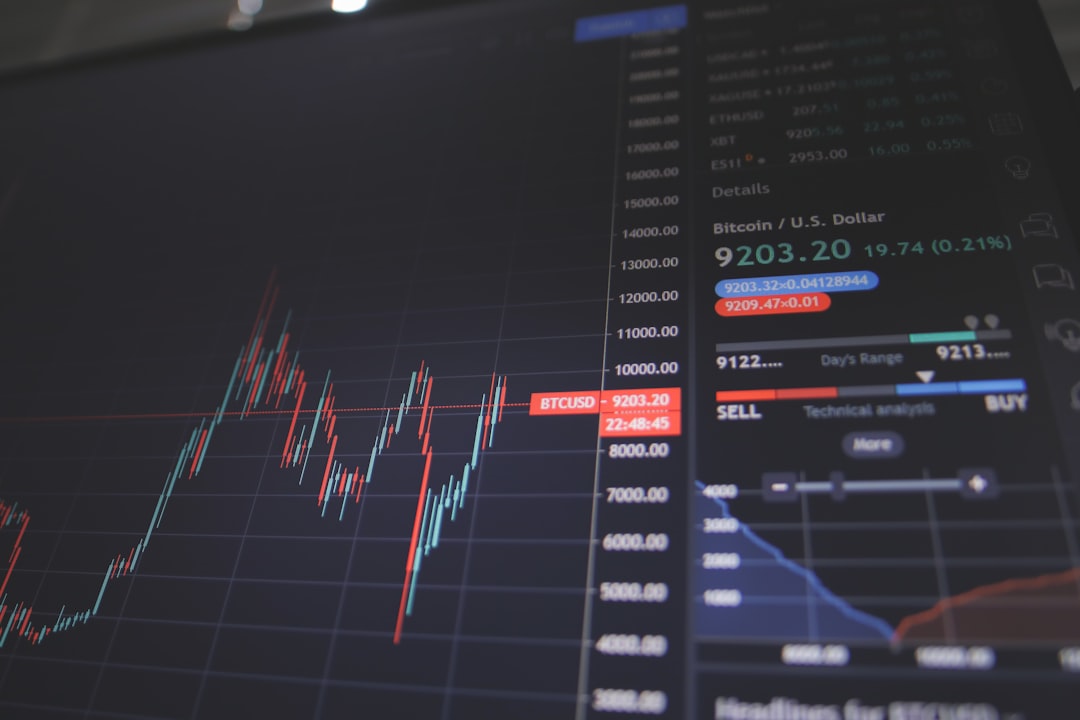
Achieving success in today's volatile stock markets demands discipline, adaptability, and a deep understanding of market behavior, moving beyond mere luck. Key principles include robust risk management, continuous learning, emotional discipline, and leveraging technological tools for data-driven decisions.
In today's highly dynamic and often unpredictable financial markets, achieving success as a trader increasingly relies on a combination of discipline, adaptability, and a nuanced understanding of market behavior. The prevailing environment, characterized by rapid shifts in sentiment and economic data, necessitates a strategic approach that goes beyond speculative ventures.
Market experts emphasize several core principles crucial for sustained profitability. Firstly, robust risk management is paramount. This involves setting clear stop-loss orders, diversifying portfolios to mitigate concentration risk, and allocating capital judiciously across various asset classes. The objective is to preserve capital during adverse market movements and ensure longevity in trading activities.
Secondly, continuous learning and adaptability are non-negotiable. Market conditions evolve rapidly, driven by macroeconomic factors, geopolitical events, technological advancements, and shifts in investor psychology. Successful traders consistently update their knowledge base, analyze new data, and refine their strategies to align with current trends rather than adhering rigidly to outdated methods.
Thirdly, emotional discipline plays a significant role. The volatility inherent in modern markets can trigger impulsive decisions driven by fear or greed. Adhering to a pre-defined trading plan, resisting the urge to chase short-term gains, and maintaining a rational perspective during drawdowns are critical for consistent performance. This emotional control is often cited as a differentiator between novice and experienced traders.
Finally, leveraging technological tools and analytical frameworks enhances decision-making. Access to real-time data, advanced charting platforms, and algorithmic trading strategies can provide a competitive edge, allowing traders to identify patterns, execute trades efficiently, and manage positions more effectively. The integration of data-driven insights with practical trading experience forms the bedrock of a successful trading career in the current market landscape.
Analyst's Take
While the article focuses on individual trader success, widespread adoption of these disciplined strategies could, paradoxically, reduce market inefficiencies over time by smoothing out some volatility. This could subtly impact brokerage revenue models, pushing them towards value-added services rather than transaction volumes, likely manifesting over the next 12-18 months as retail participation matures.


