MarketsMarketWatchJul 25, 2026· 1 min read
States Offer Tax Holidays Amid Rising Back-to-School Costs
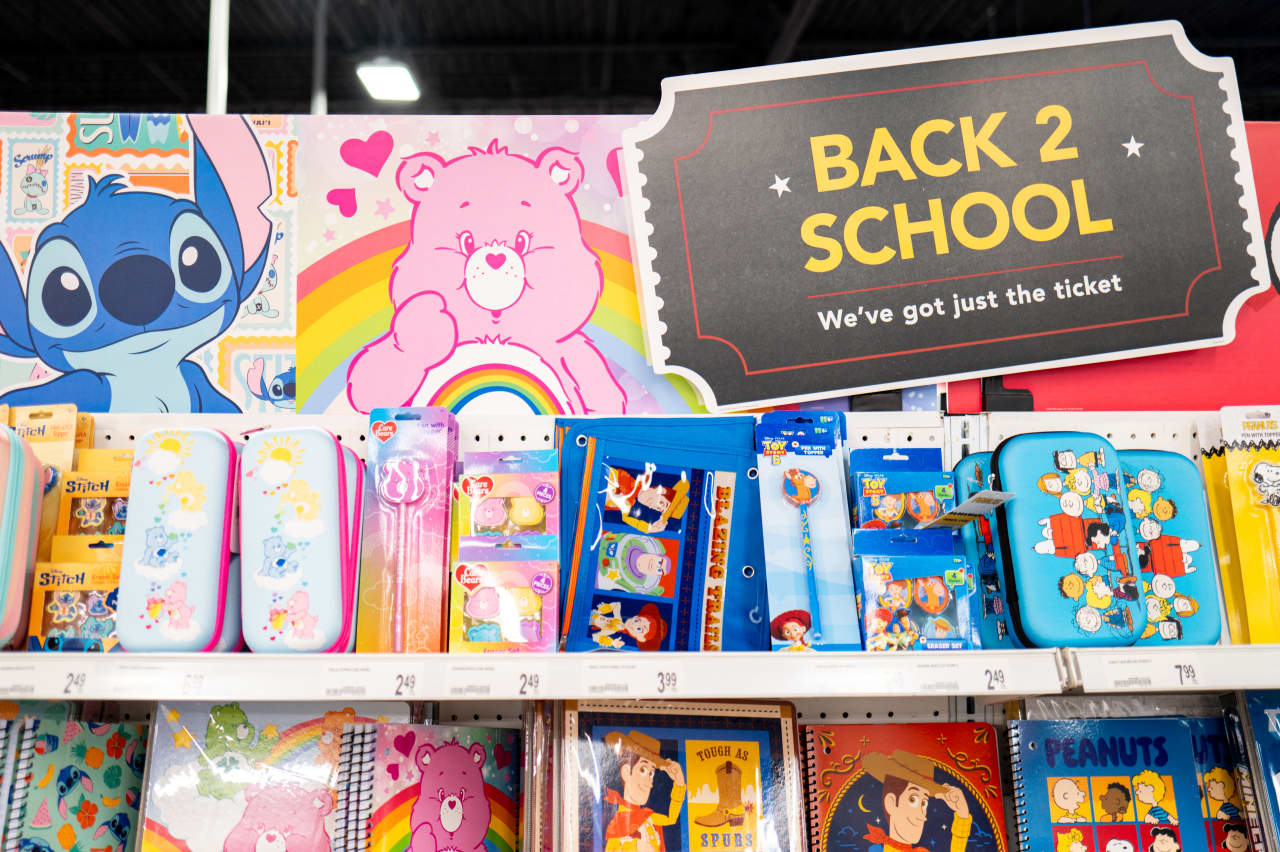
Sixteen U.S. states are implementing sales tax holidays this summer for back-to-school items, aiming to ease the financial strain on families grappling with over $800 in per-student costs due to inflation. This initiative offers temporary relief to consumers and seeks to boost retail sales during the critical shopping season.
Sixteen U.S. states are implementing sales tax holidays for back-to-school items this summer, a move aimed at alleviating the financial burden on households facing elevated inflation. These temporary tax exemptions cover a range of products, typically including clothing, school supplies, and sometimes computers, with varying price caps and eligibility dates across participating states.
Historically, these tax holidays have been a recurring feature in many states, designed to stimulate retail spending during peak back-to-school seasons. This year, however, the initiative gains added significance against a backdrop of persistently high consumer prices. Data suggests that back-to-school spending per student has surged to over $800, representing a substantial increase from previous years and putting pressure on household budgets.
Economically, sales tax holidays can provide immediate, albeit minor, relief to consumers by reducing the effective purchase price of eligible goods. For retailers, the periods can drive increased foot traffic and sales volume, potentially offsetting the temporary loss of tax revenue for the state. The specific timing and scope of these holidays, which began in late July and extend through August, are crucial for maximizing their impact on consumer behavior and retail sector performance.
While the direct fiscal impact on state budgets is often modest in the context of overall revenues, the political appeal of offering visible savings to constituents is considerable. From a macro perspective, the proliferation of these holidays underscores the ongoing challenge of inflation for everyday household expenses and the public's demand for measures that can mitigate these pressures, even if temporarily.
Analyst's Take
While seemingly a boon for consumers, the clustered timing of these tax holidays often pulls forward demand, creating a brief sales bump followed by a potential lull for retailers. This forward-buying behavior, driven by explicit price signals, can obscure underlying demand trends and might not translate into sustained economic growth, potentially just reallocating existing spending within a compressed timeframe.


