MacroBBC BusinessJul 13, 2026· 1 min read
US Strikes and Sanctions Escalate Tensions in Persian Gulf
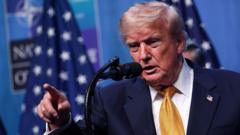
The US has conducted a third night of strikes on Iran and imposed a new 20% charge as part of a blockade on the Strait of Hormuz, following tanker attacks. These actions raise significant economic concerns regarding global oil supply, trade costs, and inflationary pressures.
The Persian Gulf region is experiencing heightened geopolitical tensions following a third consecutive night of US airstrikes on Iran, prompted by recent tanker attacks. Concurrently, the Trump administration has announced a 20% charge as part of a new blockade on the Strait of Hormuz, a critical chokepoint for global oil shipments. The United Arab Emirates has condemned Iran's actions as 'brazen,' signaling broader regional concerns.
Economically, the immediate implication of these developments is an increased risk premium for oil prices, given the Strait of Hormuz's role in transporting approximately one-fifth of the world's oil supply. A blockade or increased transit costs could significantly impact global energy markets, leading to higher crude oil prices and, subsequently, elevated fuel costs for consumers and businesses worldwide. This would translate into inflationary pressures and potentially dampen economic growth, particularly in import-dependent economies.
Furthermore, the escalation introduces uncertainty into international trade routes and supply chains. Shipping insurance premiums for vessels operating in the region are likely to rise, increasing operational costs for carriers and ultimately affecting the price of goods. The prospect of military confrontation, however limited, could also deter investment in regional infrastructure and resource development. While direct impacts on specific commodity prices, such as oil, are evident, the broader macroeconomic effects – including potential shifts in global trade patterns and investor sentiment – warrant close monitoring.
Analyst's Take
While immediate attention focuses on oil prices, the long-term impact on international shipping insurance markets and the viability of established trade routes through the Gulf could lead to a structural reallocation of global maritime traffic. This persistent uncertainty might accelerate investment in alternative energy sources and diversify supply chains away from perceived chokepoints, potentially dampening future oil demand growth despite current price spikes.

