MarketsMarketWatchMay 4, 2026· 1 min read
Oil Prices Spike Amid Unconfirmed Hormuz Incident, Raising Supply Concerns
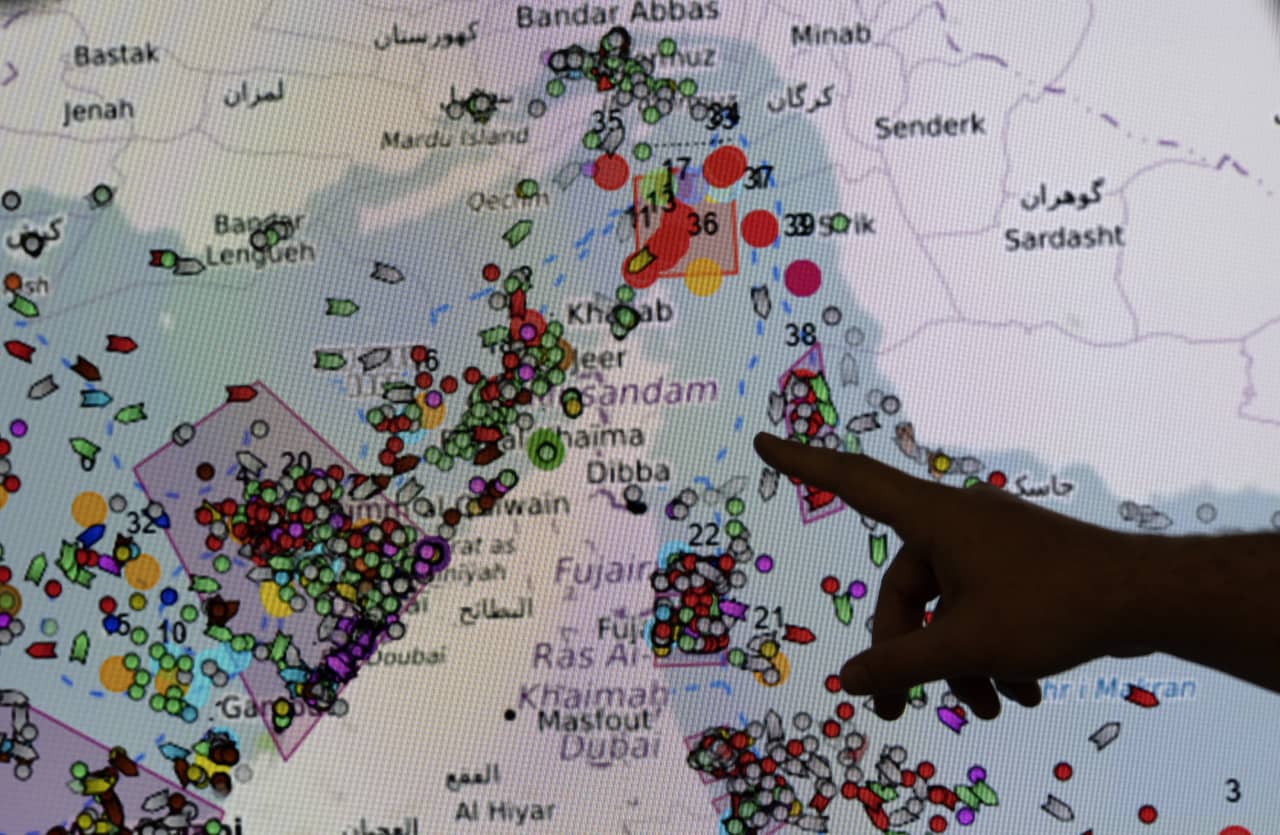
Oil prices surged following disputed reports of a strike on a U.S. Navy ship in the Strait of Hormuz, a critical global oil transit point. The unconfirmed incident immediately introduced volatility, reflecting market concerns over potential supply disruptions from the geopolitically sensitive region.
Global crude oil prices experienced a sharp uptick at the start of the week following unconfirmed reports of an attack on a U.S. Navy vessel in the Strait of Hormuz. The incident, while disputed, immediately injected volatility into energy markets, highlighting the geopolitical sensitivities of a critical chokepoint for global oil shipments.
The Strait of Hormuz, a narrow waterway between Iran and Oman, is strategically vital, responsible for approximately one-fifth of the world's total petroleum liquids consumption, or about 21 million barrels per day. Any perceived threat to shipping through this strait inherently triggers a risk premium in oil prices due to potential supply disruptions. Brent crude, the international benchmark, saw an immediate increase, reflecting traders' reactions to the perceived escalation of tensions in the Middle East.
Market participants are closely monitoring official statements and verifying the veracity of the initial report. In a region already prone to geopolitical instability, even unconfirmed incidents can have a disproportionate impact on energy commodity prices. The immediate market reaction underscores the persistent vulnerability of global oil supply chains to regional conflicts and political posturing.
Economically, sustained higher oil prices could contribute to inflationary pressures globally, impacting consumer spending and corporate input costs. For energy-importing nations, this could translate into higher trade deficits and potentially slower economic growth. Conversely, oil-exporting economies might see a boost in revenues, though sustained volatility could deter long-term investment. The incident serves as a stark reminder of the non-linear relationship between geopolitical events and commodity markets, where information, even unverified, can trigger immediate and significant price movements.
Analyst's Take
While the immediate price reaction is to the unconfirmed incident, the broader market implication is an increased and likely sustained geopolitical risk premium baked into oil futures, particularly for front-month contracts. This heightened premium reflects a re-evaluation of the 'cost of doing business' through chokepoints, potentially widening the Brent-WTI spread as global supply risks are re-priced relative to more secure North American production. Expect this to ripple into shipping insurance costs, quietly increasing the cost of goods for trade-dependent economies.


