MarketsMarketWatchMay 21, 2026· 1 min read
Nvidia's AI Boom Faces Headwinds from Geopolitics, Credit, and Power Grid Constraints
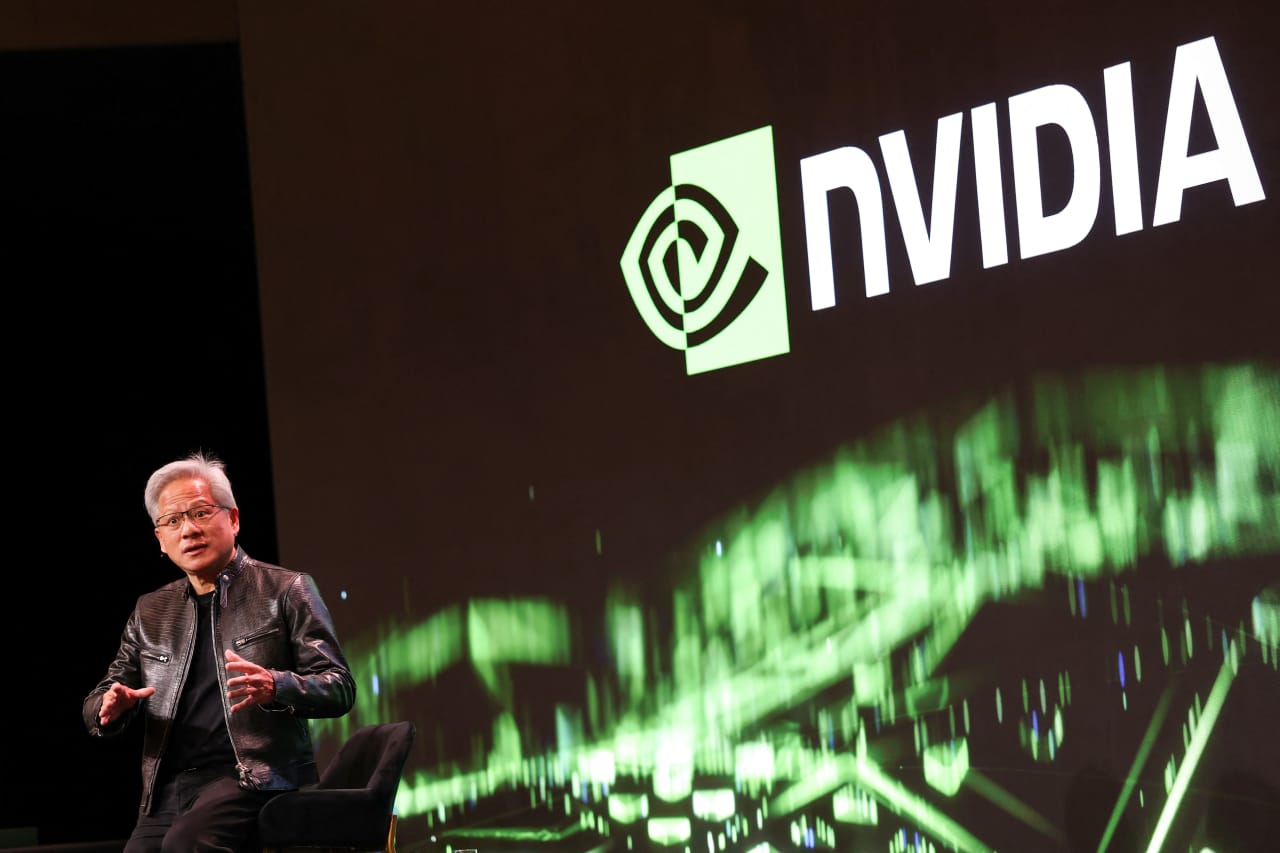
Nvidia's ability to supply AI chips is confronting major economic headwinds, including geopolitical trade tensions with China, rising credit premiums, and limitations in power grid infrastructure. These factors threaten to constrain the broader expansion and adoption of AI technologies, despite strong demand for semiconductor hardware.
Despite robust demand for its artificial intelligence (AI) chips, Nvidia's growth trajectory and the broader AI sector face significant economic and infrastructural challenges. Geopolitical tensions, particularly the ongoing trade dispute with China, are creating an unpredictable operating environment for semiconductor manufacturers. Export controls and tariffs complicate supply chains and limit market access, directly impacting chip sales and revenue for companies like Nvidia.
Simultaneously, the financial landscape is tightening, evidenced by climbing credit premiums. This makes borrowing more expensive for technology companies looking to invest in expanding their AI infrastructure, potentially slowing the pace of data center build-outs and AI project development. Higher capital costs could strain corporate balance sheets and reduce investment in crucial hardware and software.
A less visible but equally critical constraint is the inadequacy of existing power grid infrastructure. AI data centers are immensely energy-intensive, requiring substantial and reliable electricity supply. The rapid expansion of AI necessitates corresponding upgrades to power generation and distribution networks, a process that is capital-intensive and time-consuming. Failure to secure sufficient power could cap the growth of AI adoption, regardless of chip availability. This bottleneck extends beyond chip manufacturing to the operational deployment of AI technologies across various industries.
These factors collectively suggest that while Nvidia may be able to meet chip demand, the ecosystem required for widespread AI deployment is encountering significant economic friction. Corporate profits alone cannot mitigate the systemic risks posed by international trade disputes, rising financing costs, and essential infrastructure limitations.
Analyst's Take
The market currently focuses heavily on AI demand and chip supply, potentially overlooking the significant capital expenditures required for power infrastructure upgrades. This under-appreciated bottleneck, exacerbated by rising credit costs, could lead to a 'power crunch' in critical regions within the next 2-3 years, creating unforeseen operational delays and higher total cost of ownership for AI deployments. This could drive bond yields higher for utilities and infrastructure plays, while potentially dampening long-term equity valuations for some AI-dependent firms.


